Gardening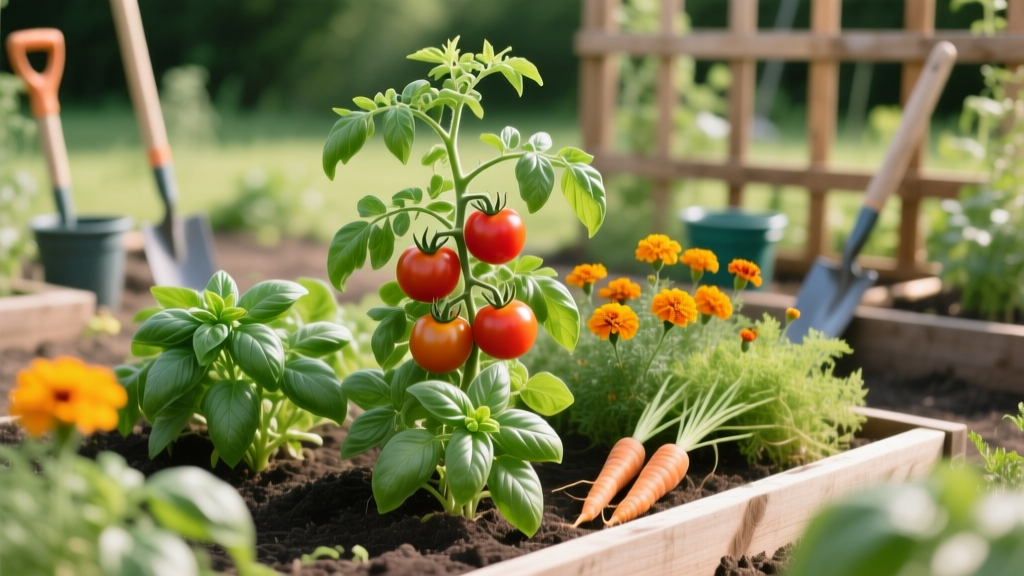
Mastering Companion Planting for Healthier Tomatoes
David ParkPublished
Introduction to Advanced Tomato Companion Planting
Growing robust, high-yielding tomatoes is the ultimate goal for many home gardeners, but achieving this requires more than just adequate sunlight and water. Tomatoes are notoriously susceptible to a wide array of pests and diseases, including root-knot nematodes, aphids, tomato hornworms, and fungal blights. While chemical interventions offer a quick fix, they often disrupt the local ecosystem and degrade soil health over time. This is where expert-level companion planting comes into play.
Companion planting is not merely a gardening myth or folklore; it is a scientifically backed horticultural practice that leverages plant-to-plant interactions to deter pests, attract beneficial insects, and improve soil microbiology. By strategically pairing tomatoes with specific botanical allies, you can create a resilient, self-regulating micro-ecosystem. In this guide, we will move beyond the basic advice of planting basil near tomatoes and dive into advanced, actionable strategies utilized by commercial organic growers and master gardeners.
The Science: Push-Pull Strategies and Volatile Compounds
At the core of advanced companion planting is the 'push-pull' strategy. This involves using 'push' plants that emit volatile organic compounds (VOCs) to repel or confuse pests, and 'pull' plants (trap crops) that are highly attractive to pests, drawing them away from your primary cash crop.
Furthermore, certain companion plants act as biological control hubs. They produce nectar and pollen structures that attract predatory insects, such as parasitic wasps and hoverflies, which naturally keep herbivorous pest populations in check. Understanding these ecological relationships allows you to design a garden layout that works with nature rather than against it.
Top Expert-Approved Companion Plants for Tomatoes
French Marigolds (Tagetes patula) for Nematode Control
While many gardeners plant marigolds for their bright colors, experts specifically select French Marigolds (Tagetes patula) for their biochemical properties. The roots of French Marigolds secrete a compound called alpha-terthienyl, which is highly toxic to root-knot nematodes—microscopic soil-dwelling worms that severely stunt tomato growth and cause root galling.
Expert Tip: To effectively suppress nematode populations, marigolds must be planted densely. Sow seeds 8 to 10 inches apart in the exact location where you plan to grow tomatoes the following season, or interplant them tightly around the base of your current tomato transplants. At the end of the season, till the marigold biomass directly into the soil to maximize the release of nematicidal compounds.
Sweet Alyssum (Lobularia maritima) for Aphid Management
Aphids are a persistent threat to tomato foliage, transmitting viruses and secreting honeydew that invites sooty mold. Sweet Alyssum is a low-growing, flowering annual that acts as a powerful insectary plant. Its tiny, nectar-rich flowers attract hoverflies (Syrphidae) and parasitic wasps. The larvae of hoverflies are voracious predators of aphids, capable of consuming hundreds of pests during their development.
Expert Tip: Plant Sweet Alyssum as a living mulch beneath your tomato canopy. It thrives in the dappled shade provided by tomato leaves, retains soil moisture, and creates a humid microclimate that deters spider mites.
Nasturtiums (Tropaeolum majus) as Trap Crops
Nasturtiums are the ultimate 'pull' plant. Aphids, whiteflies, and even squash bugs often prefer the succulent stems and leaves of nasturtiums over tomatoes. By planting nasturtiums a short distance away from your tomato beds, you create a sacrificial barrier that intercepts migrating pests.
Expert Tip: Plant nasturtiums about 3 to 4 feet away from your tomatoes. If you plant them too close, pests may simply spill over onto your tomatoes once the nasturtiums become overcrowded. Monitor the trap crop weekly and destroy heavily infested nasturtium vines to break the pest life cycle.
Basil (Ocimum basilicum) for Scent Masking and Flavor Enhancement
Basil is the most famous tomato companion, and for good reason. The strong essential oils in basil leaves mask the scent of tomatoes, making it difficult for pests like the tomato hornworm and thrips to locate their host plants. Additionally, many culinary experts and horticulturists believe that growing basil in close proximity subtly improves the flavor profile of the tomatoes.
Expert Tip: Avoid letting basil flower, as this changes its chemical profile and reduces its pest-repelling efficacy. Pinch off flower buds regularly and harvest the leaves to encourage bushy, continuous growth throughout the summer.
Companion Planting Matrix: Spacing and Timing
Proper spatial arrangement and timing are critical for companion planting success. Use the following matrix to plan your garden layout.
| Companion Plant | Primary Benefit | Ideal Spacing from Tomato | Planting Timeline |
|---|---|---|---|
| French Marigold | Nematode suppression | 8 to 10 inches | 2 weeks before tomato transplant |
| Sweet Alyssum | Attracts aphid predators | 12 to 18 inches (under canopy) | Direct sow at last frost date |
| Nasturtium | Trap crop for aphids | 36 to 48 inches (perimeter) | 3 weeks before tomato transplant |
| Basil | Scent masking, thrips deterrence | 12 to 15 inches | Transplant simultaneously with tomatoes |
| Borage | Attracts pollinators, deters worms | 18 to 24 inches | Direct sow after soil warms to 65F |
The Antagonists: Plants to Avoid Near Tomatoes
Just as some plants are beneficial, others are actively detrimental to tomato health due to allelopathy (chemical inhibition) or shared disease vulnerabilities.
- Brassicas (Cabbage, Broccoli, Cauliflower): These heavy feeders compete aggressively with tomatoes for soil nutrients. Furthermore, brassicas release biochemicals that can stunt the growth of nightshades.
- Fennel: Fennel is highly allelopathic and secretes compounds from its roots that inhibit the growth of almost all nearby plants, especially tomatoes and beans.
- Potatoes: As fellow members of the Solanaceae (nightshade) family, potatoes share the exact same susceptibility to early and late blight, as well as Colorado potato beetles. Planting them together creates a massive, concentrated target for these devastating pathogens.
- Corn: Corn attracts the corn earworm, which is the exact same pest as the tomato fruitworm. Planting them together guarantees a severe infestation of fruit-boring caterpillars.
Soil Preparation and Maintenance for Mixed Beds
Companion planting requires a nutrient-rich foundation. Before transplanting tomatoes and their companions, amend your raised beds or in-ground soil with 2 to 3 inches of high-quality organic compost. Tomatoes are heavy feeders, requiring high levels of phosphorus and potassium for fruit set, but excess nitrogen will result in lush foliage at the expense of fruit production and attract sap-sucking pests.
Use a balanced organic fertilizer with an N-P-K ratio of 5-10-10 at the time of planting. When watering mixed beds, always use drip irrigation or soaker hoses. Overhead watering splashes soil-borne fungal spores onto the lower leaves of both your tomatoes and your low-growing companions like Sweet Alyssum, increasing the risk of blight. Maintain a 2-inch layer of organic straw mulch around all plants to retain moisture and create a physical barrier against soil splashing.
Cost-Benefit Analysis: Seeds vs. Chemical Interventions
From a financial perspective, implementing a companion planting strategy is highly cost-effective. A single bottle of organic pesticide, such as Neem oil or Spinosad, typically costs between $15 and $25 and requires frequent, labor-intensive reapplication, especially after rain. In contrast, a packet of French Marigold or Sweet Alyssum seeds costs roughly $3 to $5 and provides continuous, season-long ecological services. By investing less than $20 in a diverse seed selection, you can significantly reduce or entirely eliminate the need for chemical sprays, saving both money and time while preserving the local pollinator population.
Authoritative Insights and Citations
The strategies outlined in this guide are supported by extensive agricultural research. According to the Cornell University College of Agriculture and Life Sciences (CALS), trap cropping is most effective when the trap plant is more attractive to the pest than the main crop, and when the trap crop is planted slightly earlier to ensure it is established before the pest arrives. This validates the practice of planting nasturtiums several weeks before your tomato transplants go into the ground.
'The use of specific marigold species, particularly Tagetes patula, has been scientifically proven to reduce root-knot nematode populations in the soil through the release of alpha-terthienyl, making it a cornerstone of organic soil management.' - University of California Statewide Integrated Pest Management Program (UC IPM)
By integrating these expert-backed companion planting techniques, you transform your tomato garden from a vulnerable monoculture into a thriving, biodiverse ecosystem capable of producing heavy, healthy harvests year after year.
