Gardening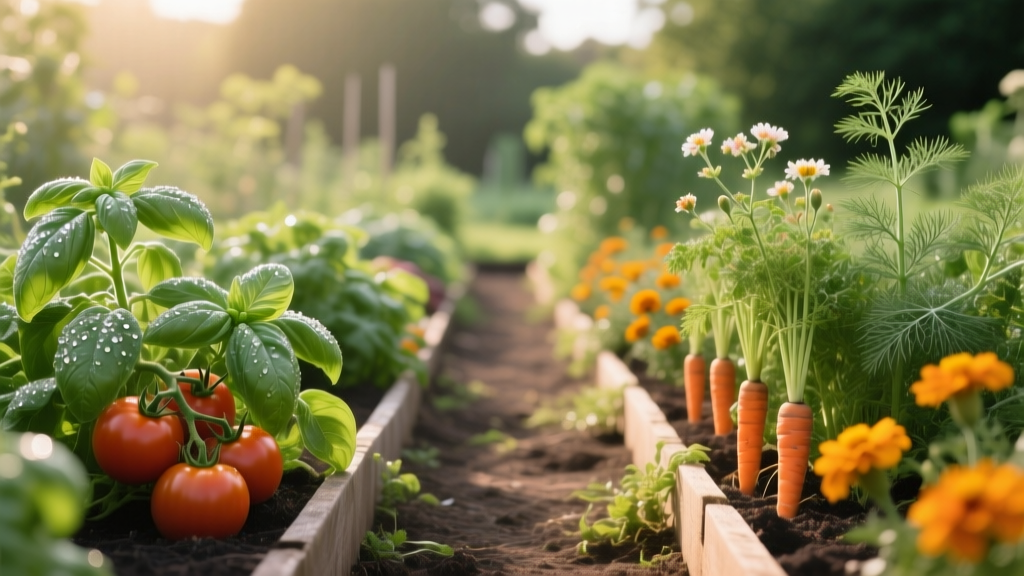
Expert Companion Planting Guide for Natural Pest Control
Robert HayesPublished
Gardening is an ongoing battle against pests, but reaching for synthetic chemical pesticides is not the only—or even the best—solution for a thriving garden. As organic gardening practices have evolved, expert horticulturists and agricultural scientists have increasingly turned to ecological strategies to manage pest populations. Companion planting, the practice of growing specific plants in close proximity for mutual benefit, is one of the most powerful tools in an organic gardener's arsenal. When executed with precision, companion planting can deter destructive insects, attract beneficial predators, and disrupt the breeding cycles of common garden pests. This comprehensive guide explores the science behind botanical pest control, providing expert tips, precise measurements, and actionable best practices to help you cultivate a resilient, pest-resistant garden naturally.
The Science of Botanical Pest Control
Companion planting is not merely a collection of old wives' tales; it is deeply rooted in plant biology and chemical ecology. Plants communicate and defend themselves through the release of Volatile Organic Compounds (VOCs). These airborne chemicals can mask the scent of vulnerable crops, confuse foraging insects, or even signal distress to attract predatory wasps and ladybugs. Furthermore, certain plants exhibit allelopathy, releasing biochemicals through their roots that inhibit the growth of competing weeds or repel soil-dwelling nematodes.
According to the University of California Integrated Pest Management (UC IPM) program, intercropping with specific aromatic herbs and utilizing trap crops can significantly disrupt the host-finding behavior of common agricultural pests, reducing the need for synthetic chemical interventions. By understanding these biological mechanisms, gardeners can design polycultures that mimic natural ecosystems, creating an environment where pests struggle to locate their target hosts and beneficial insects thrive.
Essential Companion Planting Chart for Pest Management
To implement a successful pest management strategy, it is crucial to pair the right plants based on their specific defensive properties. The following data table outlines expert-approved companion pairings, the pests they target, and the biological mechanisms at play.
| Main Crop | Companion Plant | Target Pest | Expert Mechanism |
|---|---|---|---|
| Tomatoes | Basil, French Marigolds | Hornworms, Root-Knot Nematodes | Scent masking, allelopathic root exudates |
| Brassicas | Dill, Thyme, Sage | Cabbage Loopers, Aphids | Predator attraction, volatile disruption |
| Squash | Nasturtiums, Radishes | Squash Vine Borers, Cucumber Beetles | Trap cropping, ground cover masking |
| Carrots | Onions, Leeks, Rosemary | Carrot Rust Flies | Olfactory camouflage |
| Roses | Garlic, Chives | Aphids, Black Spot Fungus | Fungal inhibition, pest deterrence |
| Eggplant | French Marigolds, Catnip | Flea Beetles | Chemical repellence, trap cropping |
Advanced Trap Cropping Strategies
Trap cropping is a specialized form of companion planting where a sacrificial plant is used to lure pests away from your primary harvest. This technique requires precise timing and management to be effective. A classic example is using Blue Hubbard squash to protect zucchini and cucumbers from cucumber beetles and squash vine borers. Because Blue Hubbard squash is highly attractive to these pests, you can plant it as a perimeter border around your main garden beds.
For optimal results, sow your Blue Hubbard squash seeds 14 to 21 days before transplanting your primary cucurbit crops. This ensures the trap crop is large and emitting strong VOCs by the time the vulnerable main crops are in the ground. Similarly, planting radishes as a trap crop for flea beetles is highly effective. Sow a dense border of radishes around your brassicas (like broccoli and kale) two weeks prior to transplanting. The flea beetles will heavily damage the radish leaves, leaving your primary crops untouched. Investing in a $3 packet of trap crop seeds offers a highly cost-effective alternative to purchasing $15 bottles of synthetic pesticides, while simultaneously preserving your soil's microbiome.
Best Practices for Spacing and Soil Preparation
One of the most common mistakes gardeners make with companion planting is overcrowding, which leads to intense competition for water, nutrients, and sunlight. To avoid this, you must consider the root architecture and mature canopy size of both the main crop and the companion. For example, when planting French marigolds to deter root-knot nematodes around tomatoes, space the marigolds 8 to 12 inches away from the base of the tomato plant. This prevents the shallow, fibrous roots of the marigolds from competing with the primary taproot of the tomato.
Soil preparation is equally critical. Before establishing a companion polyculture, amend your garden beds with a 2-inch layer of organic compost to ensure a baseline of fertility that can support multiple plant species. Incorporate a balanced, slow-release organic fertilizer (such as a 4-4-4 NPK blend) at a rate of 2 pounds per 100 square feet. This prevents the companion plants from draining the soil of vital nutrients needed by your heavy-feeding vegetable crops. Additionally, applying a 3-inch layer of straw mulch around the base of your plants will retain soil moisture, suppress weeds, and provide a habitat for ground-dwelling predatory beetles that feed on slugs and snails.
Antagonistic Pairings: What NOT to Plant Together
Just as some plants benefit one another, others engage in chemical warfare. Planting antagonistic species in close proximity can stunt growth, reduce yields, and make plants more susceptible to disease. Fennel is one of the most notorious allelopathic plants in the garden; it secretes compounds from its roots that inhibit the growth of almost all nearby vegetables, particularly nightshades like tomatoes and peppers. Always plant fennel in a dedicated bed or container, maintaining a buffer zone of at least 18 inches from sensitive crops.
Another classic antagonistic relationship exists between alliums (onions, garlic, leeks) and legumes (beans, peas). Alliums release antibacterial compounds into the soil that can disrupt the nitrogen-fixing bacteria (Rhizobia) living on the roots of legumes, effectively starving the beans of essential nitrogen. Furthermore, avoid planting potatoes near sunflowers or cherry trees, as these species can harbor fungal diseases that easily spread to potato foliage, leading to devastating blight outbreaks.
Seasonal Maintenance and Scouting
Companion planting is not a 'plant it and forget it' strategy; it requires active scouting and maintenance. When utilizing trap crops, it is imperative to monitor the sacrificial plants daily. Once the trap crop becomes heavily infested with pests, you must remove and destroy the plant material before the insects complete their life cycle and migrate to your main harvest. Do not add heavily infested trap crops to your home compost bin, as standard compost piles rarely reach the sustained 140°F (60°C) temperatures required to kill pest eggs and larvae. Instead, bag the infested plant material and dispose of it in the municipal trash, or burn it if local regulations permit.
Regularly inspect the undersides of leaves on your companion herbs for the eggs of beneficial insects, such as the delicate, spindle-shaped eggs of lacewings or the bright yellow clusters laid by ladybugs. If you notice a high population of beneficial predators on a specific companion plant, avoid pruning or harvesting from that specific area until the larvae have matured and dispersed throughout the garden.
Conclusion
Mastering companion planting for natural pest control requires a shift in perspective, moving away from viewing the garden as a sterile factory and toward managing it as a complex, living ecosystem. By leveraging the chemical defenses of aromatic herbs, deploying strategic trap crops, and respecting the spatial and nutritional needs of your plants, you can drastically reduce pest pressure without resorting to disruptive chemicals. Implement these expert-backed pairings, maintain precise spacing, and commit to regular scouting to cultivate a vibrant, resilient garden that naturally defends itself season after season.
