Pest Control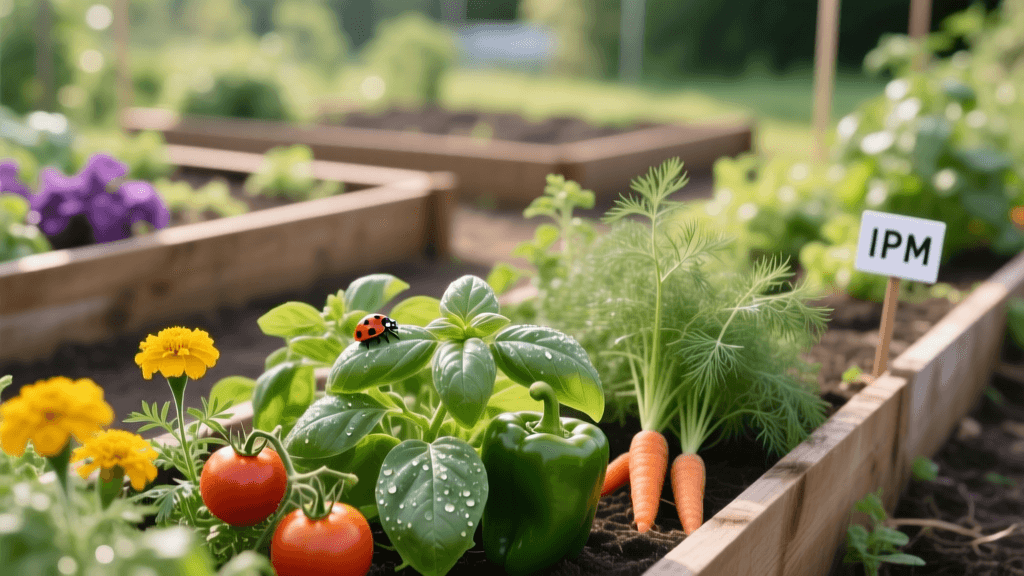
Companion Planting Design: Plan a Pest-Resistant Garden
The Blueprint of a Pest-Resistant Garden
Designing a vegetable garden goes far beyond simply selecting your favorite crops and hoping for the best; it requires a highly strategic approach to spatial planning, ecology, and Integrated Pest Management (IPM). By utilizing advanced companion planting design, you can create a landscape that naturally deters destructive insects, attracts beneficial predators, and minimizes the need for costly and potentially harmful chemical interventions. Reactive pest control often leads to a cycle of pesticide dependency, whereas proactive garden design establishes a robust, self-regulating ecosystem from the ground up. This comprehensive guide explores how to plan your garden beds, pathways, and plant groupings to establish a beautiful, highly functional, and pest-resistant landscape.
Core Design Principles for Companion Planting
Companion planting is frequently misunderstood by novice gardeners as merely placing two compatible plants next to each other. From a professional landscape design perspective, it involves intentional zoning, spatial arrangement, and ecological succession. According to researchers at the Cornell University Integrated Pest Management program, manipulating the garden environment to disrupt pest life cycles and confuse host-finding behaviors is a cornerstone of sustainable, organic pest control.
1. Trap Cropping Layouts and Spatial Zoning
Trap cropping involves planting a sacrificial species that is highly attractive to a specific pest, intentionally drawing them away from your primary cash crops. When designing your garden plan, dedicate the perimeter or specific isolated beds to these trap crops. For example, plant Blue Hubbard squash around the outer border of your zucchini and cucumber beds to attract squash vine borers and cucumber beetles. To be truly effective, trap crops must be planted two to three weeks before your main crop, ensuring they are large, established, and highly aromatic by the time pests arrive in early summer. Once pests congregate on the trap crop, you can remove and destroy the infested plants or treat only that specific peripheral zone with an organic spray like neem oil or spinosad, saving your main harvest and reducing chemical costs significantly.
2. Aromatic Masking and Polyculture Design
Many destructive insects, such as the carrot rust fly, the onion maggot, and the tomato hornworm, locate their host plants through highly sensitive olfactory cues. By designing aromatic zones within your garden beds, you can effectively mask the scent of vulnerable crops. Interplant strong-smelling herbs like basil, rosemary, thyme, and alliums (garlic, onions, chives) directly alongside your tomatoes, brassicas, and root vegetables. A practical design rule for polyculture beds is to plant one aromatic companion for every three primary crop plants. This ensures a dense enough canopy to confuse foraging pests while maintaining adequate airflow to prevent the humid microclimates that lead to fungal diseases like powdery mildew and early blight.
3. Beneficial Insect Corridors and Overwintering Habitats
A truly sustainable garden design must include permanent, undisturbed habitats for predatory insects like ladybugs, lacewings, ground beetles, and parasitic wasps. These beneficial insects require nectar and pollen, particularly from plants in the Umbelliferae family, such as dill, fennel, cilantro, and yarrow. Designate a two-foot-wide beneficial corridor along the sunniest, most protected edge of your garden. Allow herbs like cilantro and dill to bolt and flower in succession from late spring through early autumn. Furthermore, incorporate hardscape elements like insect hotels or leave hollow-stemmed perennials uncut during the winter months to provide essential overwintering sites for solitary bees and predatory wasps, ensuring they emerge early in the spring to manage initial aphid hatches.
Designing Hardscapes to Destruct Pests and Wildlife
Pest control design extends far beyond plant selection into hardscaping, fencing, and soil covering choices. Slugs, snails, and earwigs thrive in damp, dark environments commonly created by poor landscape planning. To mitigate this, design your garden pathways using crushed gravel or decomposed granite rather than wood chips or straw. Gravel improves drainage, reduces surface moisture, and creates an abrasive barrier that soft-bodied pests are highly reluctant to cross. For larger wildlife pests like deer and rabbits, integrate physical barriers seamlessly into your landscape design. A deer fence should be at least eight feet tall, but you can reduce the visual impact by using nearly invisible black polypropylene netting attached to wooden corner posts. To deter burrowing rodents like voles and gophers, line the bottom of your raised beds with half-inch galvanized hardware cloth before adding soil, extending the wire two inches up the interior walls to prevent tunneling.
Companion Planting Data Table: Strategic Pairings
Use the following planning chart to design your garden beds. This table outlines specific crop pairings, the pests they target, and the optimal spatial arrangement for maximum efficacy in a home landscape.
| Primary Crop | Target Pest | Companion Plant | Design Placement | Mechanism of Action |
|---|---|---|---|---|
| Tomatoes | Hornworms, Nematodes | Marigolds, Basil | Interplanted; 12 inches apart | Root exudates repel nematodes; strong scent masks host |
| Brassicas (Cabbage, Kale) | Cabbage Loopers, Flea Beetles | Thyme, Nasturtiums | Border planting; 6 inches from edge | Nasturtiums act as trap crop; thyme masks olfactory cues |
| Carrots | Carrot Rust Fly | Onions, Leeks, Rosemary | Alternating rows; 4 inches between rows | Allium sulfur compounds disrupt fly host-finding |
| Cucumbers | Cucumber Beetles, Aphids | Radishes, Nasturtiums | Perimeter trap crop; 3 feet outside main bed | Radishes draw beetles away; flowers attract predatory wasps |
| Peppers | Aphids, Spider Mites | Sweet Alyssum, Dill | Understory planting; beneath pepper canopy | Provides habitat and nectar for hoverflies and parasitic wasps |
Timing, Succession, and Physical Barrier Integration
A well-designed garden accounts for the precise timing of local pest life cycles. Many pests, such as the squash vine borer or the flea beetle, have a narrow, highly destructive emergence window in early to mid-summer. By planning your planting schedule and integrating physical barriers, you can avoid these peaks entirely. Utilize floating row covers, such as Agribon-19, over vulnerable crops from the moment of transplanting until the plants begin to flower. This physical barrier is a critical component of spatial design, requiring you to plan for adequate overhead clearance and secure soil-level anchoring using landscape staples spaced every three feet to prevent wind damage and pest infiltration.
Soil Ecology and Below-Ground Pest Management
Above-ground pests are only half the battle; below-ground pests like root-knot nematodes, grubs, and root maggots can devastate a garden before symptoms appear above the soil line. Designing for soil ecology involves planning a rigorous crop rotation map that ensures plant families are not grown in the same bed more than once every three years. If a specific bed suffers a severe infestation of root maggots in the spring, do not replant a susceptible crop in that same location in the late summer. Instead, rotate in a non-host cover crop like buckwheat or French marigolds, which are known to suppress nematode populations. For more advanced rotational strategies and localized pest emergence models, consult resources from the University of California Statewide IPM Program, which offers invaluable planting calendars tailored to specific regional microclimates.
Conclusion
Designing a pest-resistant garden is an exercise in ecological foresight and spatial intelligence. By integrating trap crops, aromatic masking, beneficial insect corridors, and strategic hardscaping into your initial landscape plan, you build a natural defense system that works continuously throughout the growing season. This proactive approach to garden design not only reduces your reliance on chemical pesticides and lowers your long-term maintenance costs, but it also fosters a vibrant, resilient ecosystem that yields healthier plants, supports local biodiversity, and produces a more abundant harvest year after year.