Gardening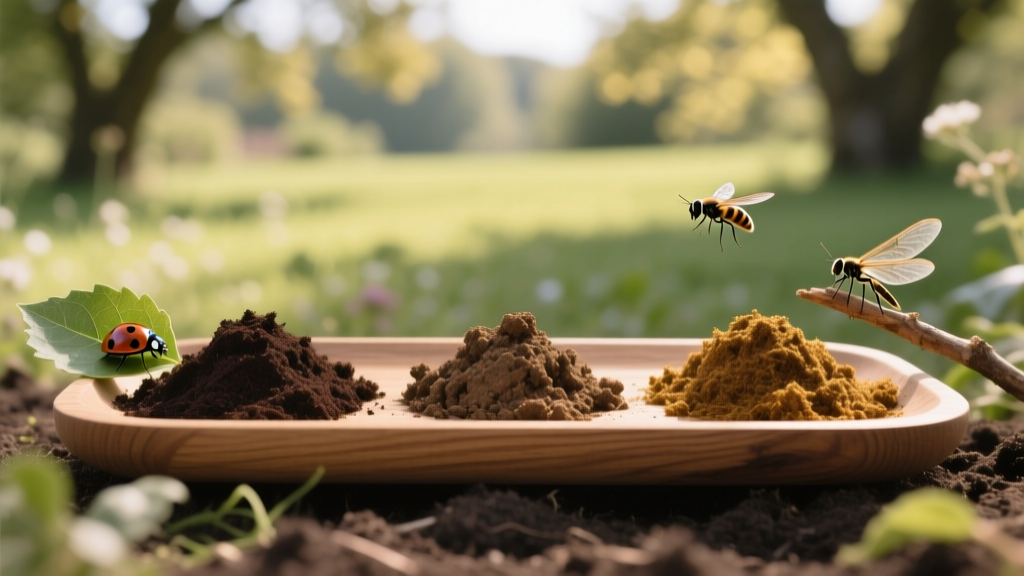
Compost vs Manure vs Leaf Mold: 2026 Bio-Control Guide
Lisa ThompsonPublished
The 2026 Shift Toward Soil-Based Biological Pest Control
As we navigate the 2026 gardening season, the horticultural world has seen a massive paradigm shift away from broad-spectrum chemical pesticides. With increasing environmental regulations and a deeper understanding of garden ecology, home gardeners and commercial growers alike are turning to biological control agents to manage pest populations. However, true bio-control does not begin with releasing store-bought ladybugs into your garden; it begins beneath the surface. The foundation of a robust, self-regulating garden ecosystem is the soil food web. By selecting the right organic soil amendments, you can actively cultivate habitats for predatory nematodes, ground beetles, rove beetles, and beneficial microbes that naturally suppress garden pests.
When evaluating soil amendments, gardeners typically focus on NPK (Nitrogen, Phosphorus, Potassium) values. But from a bio-control perspective, the physical structure, carbon-to-nitrogen ratio, and microbial biome of an amendment dictate which beneficial organisms will thrive. In this comprehensive guide, we compare the three most popular organic amendments—compost, aged manure, and leaf mold—specifically through the lens of beneficial insect habitat creation and biological pest management.
Compost: The All-Around Bio-Control Powerhouse
Thermophilic composting creates a biologically diverse, bacteria-dominated environment that serves as the bedrock for soil health. According to the USDA NRCS Soil Health Initiative, high-quality compost introduces billions of beneficial microorganisms per teaspoon, which in turn form the base of the soil food web. But how does this translate to insect bio-control?
Compost is the primary habitat for predatory nematodes, such as Steinernema feltiae and Heterorhabditis bacteriophora. These microscopic roundworms are voracious predators of soil-dwelling pests, including fungus gnat larvae, root maggots, and the pupae of various moths and beetles. The spongy, moisture-retentive structure of finished compost prevents the soil from drying out, which is critical because predatory nematodes require a film of water to move through the soil pores and hunt their prey.
Furthermore, compost attracts deep-burrowing earthworms (Lumbricus terrestris). While earthworms are not predators themselves, their extensive tunneling networks create permanent highways in the soil. Larger predatory insects, such as ground beetles (Carabidae), use these earthworm channels to travel deep into the soil profile to hunt slug eggs and cutworms. By applying a 2-inch layer of finished compost in early spring 2026, you are essentially building the infrastructure for subterranean pest control.
Aged Manure: High-Nutrient Fuel for Surface Predators
Aged herbivore manure (such as cow, horse, or rabbit) is significantly higher in nitrogen than compost or leaf mold. This high-nitrogen environment accelerates the breakdown of organic matter and supports a rapid explosion of bacterial life. From a bio-control standpoint, aged manure is a magnet for rove beetles (Staphylinidae).
Rove beetles are among the most important, yet underappreciated, biological control agents in the garden. Both the adults and larvae of many rove beetle species are aggressive predators of soft-bodied insects, including aphids, mites, and the eggs of the destructive cabbage root fly. Rove beetles are drawn to the decaying, nitrogen-rich environment of aged manure, where they hunt the detritivores and small pests that gather there. When you top-dress your garden beds with aged manure, you are creating a hunting ground for these nocturnal predators.
However, a critical warning for 2026: you must be vigilant about the source of your manure. Persistent herbicides like aminopyralid and clopyralid can survive the digestive tracts of livestock and the composting process. If applied to your garden, these contaminated amendments will not only stunt your broadleaf crops but also decimate the populations of beneficial insects and soil microbes. Always source manure from local, organic-certified farms or conduct a simple bioassay test using bean seeds before applying it to your garden beds.
Leaf Mold: The Fungal Haven for Overwintering Predators
Leaf mold is created through the slow, fungal decomposition of autumn leaves. Unlike the bacteria-dominated environments of compost and manure, leaf mold is heavily fungal. This fungal dominance is crucial for supporting mycorrhizal networks and specific detritivores like springtails (Collembola). While springtails primarily eat decaying matter and fungal spores, they serve as a vital alternative food source for predatory mites and spiders when pest populations are low, keeping these beneficial predators in your garden even during pest-free periods.
The physical structure of leaf mold is perhaps its greatest asset for bio-control. The loose, airy, yet insulating layers of partially decomposed leaves provide the ultimate overwintering habitat. According to the Royal Horticultural Society's Guide to Leafmould, this amendment is excellent for soil conditioning and moisture retention, but ecologically, it acts as a winter sanctuary. Predatory insects such as green lacewings (Chrysopidae), lady beetles (Coccinellidae), and various predatory spiders rely on the deep, frost-protected layers of leaf mold to survive the winter. By maintaining a thick layer of leaf mold over your garden beds through the winter, you ensure that your garden's biological pest control army is fully rested and ready to emerge the moment spring pests arrive.
2026 Comparison Chart: Bio-Control Benefits of Soil Amendments
To help you plan your 2026 soil amendment strategy, refer to the comparison table below. This chart highlights how each material uniquely contributes to biological pest management.
| Amendment | Primary Microbial Biome | Key Beneficial Insects Supported | Primary Bio-Control Targets | Best Application Time |
|---|---|---|---|---|
| Finished Compost | Bacteria-dominant; highly diverse | Predatory nematodes, Earthworms | Fungus gnats, root maggots, cutworm pupae | Early Spring / Fall |
| Aged Manure | Bacteria-dominant; high nitrogen | Rove beetles, Ground beetles | Slug eggs, aphids, cabbage root fly eggs | Late Fall (to age further) |
| Leaf Mold | Fungi-dominant; high carbon | Lacewings, Lady beetles, Spiders | Overwintering aphids, mites, early spring caterpillars | Late Fall (as winter mulch) |
Strategic Layering for Maximum Biological Pest Control
Rather than choosing just one amendment, the most effective bio-control strategy for 2026 involves strategic layering, often referred to as modified lasagna mulching. By combining these materials, you create distinct micro-habitats that support a wider variety of beneficial organisms.
- The Base Layer (Compost): In early spring, apply a 1.5 to 2-inch layer of finished compost directly to the soil surface. This inoculates the soil with predatory nematodes and provides a stable, moisture-rich environment for earthworms to begin their aerating work.
- The Nutrient Layer (Aged Manure): For heavy-feeding crops like tomatoes and squash, add a thin half-inch layer of well-aged manure over the compost. This localized nitrogen boost will attract rove beetles to the specific areas where pest pressure from root-feeding insects is typically highest.
- The Habitat Layer (Leaf Mold): Finally, top the bed with 2 to 3 inches of leaf mold. This acts as a moisture-sealing mulch that protects the nematodes and earthworms below from UV light and desiccation, while simultaneously providing a daytime hiding spot for ground beetles and an overwintering matrix for lacewings.
This layered approach mimics the natural forest floor, creating a complex ecosystem that the EPA's Biological Control Guidelines recognize as fundamental to sustainable, long-term pest suppression without the need for disruptive chemical interventions.
Sourcing Safe Amendments in 2026
The bio-control benefits of organic amendments are entirely negated if the materials are contaminated with broad-spectrum insecticides or persistent herbicides. In 2026, municipal compost facilities are increasingly regulated, but contamination still occurs. When purchasing bagged compost or manure, look for certifications such as the US Composting Council's Seal of Testing Assurance (STA), which guarantees the product has been tested for heavy metals, pathogens, and certain chemical residues.
If you are making your own leaf mold, ensure the leaves are gathered from areas that have not been treated with synthetic lawn broadleaf weed killers. Chemical residues on treated leaves can persist through the decomposition process and will severely harm the delicate fungal networks and predatory mites you are trying to cultivate.
Conclusion
Understanding the distinct ecological roles of compost, manure, and leaf mold transforms how we view soil preparation. Compost builds the microscopic predatory army, manure fuels the macro-invertebrate hunters, and leaf mold provides the essential physical sanctuary for overwintering allies. By intentionally selecting and layering these amendments in your 2026 garden, you are not just feeding your plants; you are actively engineering a resilient, self-sustaining bio-control ecosystem that will protect your harvest naturally for years to come.
