Gardening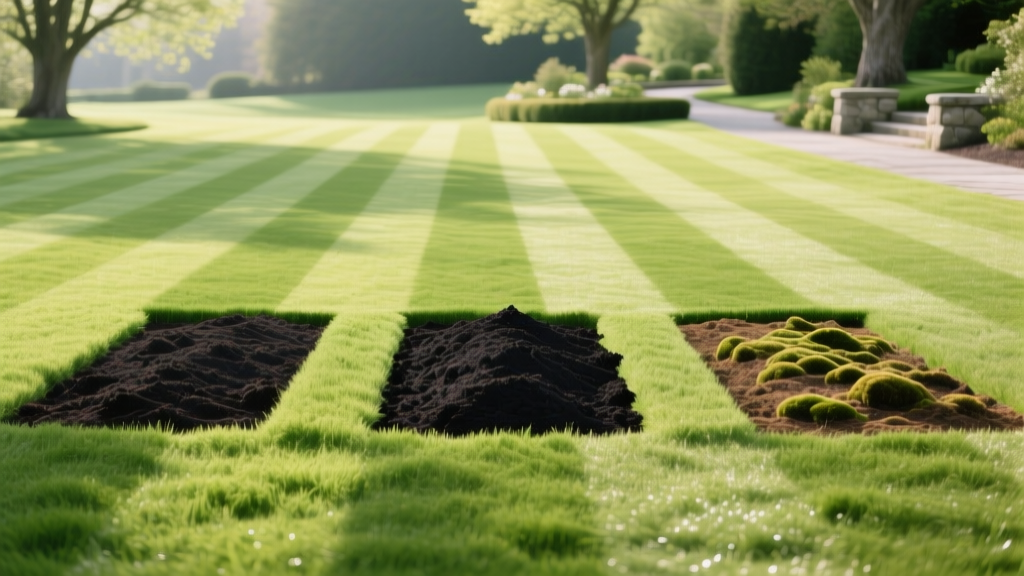
Compost Vs Manure Vs Leaf Mold For Lawn Striping 2026
Anna KowalskiPublished
The Pursuit of the Perfect Stripe in 2026
Achieving stadium-quality lawn stripes in your home garden is no longer just about investing in the latest 2026 mower models with advanced rear rollers. While equipment like the updated Toro Stripe series or the Honda HRX217VKA with its MicroCut twin-blade system are essential for physically bending the grass, the true secret to a sharp, high-contrast aesthetic pattern lies beneath the surface. The visual impact of a lawn stripe is dictated by light reflection off the leaf blade, which requires exceptional turf density, deep color contrast, and rigid cellular structure. To achieve this, your soil must be biologically active and structurally sound. In this comprehensive guide, we compare the three heavyweight soil amendments—compost, manure, and leaf mold—to determine which is best for cultivating the perfect canvas for lawn striping and aesthetic patterns in 2026.
The Physics of the Stripe: Why Soil Health Dictates Aesthetics
Before diving into specific amendments, it is crucial to understand the physics of a lawn stripe. A stripe is created when grass blades are bent in alternating directions. The blades bent away from you reflect less light (appearing dark green), while the blades bent toward you reflect more light (appearing light green). For this contrast to be visually striking, the grass must possess high turgor pressure—the water pressure inside the plant cells that keeps the blade rigid. If the soil lacks moisture retention or essential nutrients, the grass will wilt, the cellular walls will collapse, and the light reflection will become dull and uneven, ruining the aesthetic pattern. Furthermore, the turf must be dense enough to create a solid wall of grass; thin, patchy lawns will expose the soil beneath, breaking the visual continuity of the stripe. Therefore, the soil amendment you choose must directly address turf density, color depth, and moisture retention.
Compost: The Foundation of Turf Density
Compost is the undisputed champion of overall soil structure and microbial diversity. Made from decomposed organic matter like yard waste and food scraps, premium screened compost acts as a slow-release fertilizer and a powerful soil conditioner. According to the Environmental Protection Agency, compost enriches soil by improving its ability to retain nutrients and water, which is critical for the dense tillering required in aesthetic lawn patterns.
Benefits for Lawn Striping
For lawn striping, density is everything. Compost improves the Cation Exchange Capacity (CEC) of your soil, allowing grass roots to access a steady stream of micronutrients. This steady nutrition promotes lateral growth and thickens the turf canopy. When you pass a heavy striping kit or roller over a compost-enriched lawn, the dense mat of grass springs back slightly, creating a razor-sharp boundary between the light and dark bands. In 2026, the cost of premium, OMRI-listed screened compost averages between $55 and $75 per cubic yard, making it an accessible investment for high-end lawn aesthetics.
Drawbacks
While compost builds incredible structure, its Nitrogen-Phosphorus-Potassium (NPK) ratio is relatively low (typically around 1-1-1). It will not provide the rapid, deep-green color flush that some turfgrass species need to maximize the visual contrast of a stripe pattern.
Manure: The Catalyst for High-Contrast Color
If compost is the foundation, manure is the high-octane fuel. Animal manures, particularly composted cow or poultry manure, are rich in nitrogen, the primary driver of chlorophyll production in plants. Chlorophyll is what gives grass its deep, vibrant green color. The Royal Horticultural Society notes that well-rotted manure is an excellent source of nitrogen and organic matter, which significantly boosts vegetative growth and leaf coloration.
Benefits for Lawn Striping
The visual success of a lawn stripe relies heavily on the contrast between the light and dark bands. A nitrogen-rich diet ensures the grass produces an abundance of dark green chlorophyll. When the mower roller bends these deeply pigmented blades, the contrast against the lighter, reflective undersides is dramatically amplified. For cool-season grasses like Kentucky Bluegrass and Perennial Ryegrass, a topdressing of composted manure in the early spring can result in a color depth that makes 2026 lawn patterns look professionally manicured.
Drawbacks
The primary risk of using manure for aesthetic lawns is the potential for "burning" the turf if the manure is not fully composted. Fresh or "hot" manure contains excessive ammonia and salts that will scorch the grass blades, leaving brown, dead patches that completely destroy any striping pattern. Furthermore, manure can sometimes introduce weed seeds to your pristine lawn, which disrupts the uniform texture required for perfect light reflection. Always source heat-treated, commercially composted manure, which costs roughly $40 to $60 per cubic yard in 2026.
Leaf Mold: The Moisture Matrix for Turgor Pressure
Leaf mold is a specific type of compost made entirely from decomposed tree leaves, broken down primarily by fungi rather than bacteria. It is often overlooked in favor of traditional compost, but for lawn striping enthusiasts, it is a secret weapon. The Royal Horticultural Society highlights leaf mold as a superior soil conditioner that can hold up to 300 to 500 percent of its own weight in water.
Benefits for Lawn Striping
As mentioned earlier, turgor pressure is the physical mechanism that allows a grass blade to bend cleanly under a striping roller and hold its position. During the heat of late spring and summer, lawns naturally lose turgor pressure, causing the blades to become limp and fold irregularly. This results in muddy, undefined stripes. Leaf mold acts as a biological sponge in the soil profile. By integrating leaf mold into your topdressing regimen, you ensure that the root zone remains consistently hydrated, even during dry spells. This keeps the grass blades rigid and highly responsive to the mower's striping kit, allowing you to maintain crisp aesthetic patterns well into August. In 2026, bagged leaf mold is widely available at garden centers for about $8 to $12 per cubic foot.
Drawbacks
Leaf mold is virtually devoid of macronutrients like nitrogen and phosphorus. It is a soil conditioner, not a fertilizer. Relying on leaf mold alone will result in excellent moisture retention but potentially pale, yellowing grass that lacks the dark green pigment needed for high-contrast striping.
2026 Soil Amendment Comparison Chart
| Amendment | Primary Benefit for Striping | NPK Profile | Water Retention | 2026 Avg. Cost (Bulk) |
|---|---|---|---|---|
| Compost | Turf Density & Structure | 1-1-1 (Balanced) | Moderate | $55 - $75 / cu yd |
| Composted Manure | Deep Green Color Contrast | High Nitrogen (N) | Low to Moderate | $40 - $60 / cu yd |
| Leaf Mold | Turgor Pressure & Hydration | Negligible | Exceptional | $60 - $80 / cu yd |
The 2026 Protocol: Blending for the Ultimate Stripe
To achieve the ultimate aesthetic lawn pattern, professional groundskeepers rarely rely on a single amendment. The most effective strategy for 2026 is to create a custom topdressing blend that leverages the unique strengths of all three materials. By combining the structural density of compost, the color-enhancing nitrogen of manure, and the moisture-holding capacity of leaf mold, you create a super-soil that guarantees perfect striping conditions.
The Ultimate Striping Blend Recipe
- 50% Premium Screened Compost: Provides the bulk of the organic matter, improves soil aeration, and introduces beneficial bacteria to break down thatch.
- 25% Composted Cow Manure: Delivers the nitrogen spike required to push deep green color and thick leaf blade development.
- 25% Leaf Mold: Ensures the soil matrix retains the moisture necessary to keep the grass blades rigid and responsive to the striping roller.
Application Timing and Technique
For cool-season lawns (Fescue, Bluegrass, Ryegrass), apply this blended topdressing in early spring (April) and again in early fall (September). For warm-season lawns (Bermuda, Zoysia), apply in late spring (May) just as the grass breaks dormancy.
Step 1: Core aerate the lawn to relieve compaction and open channels to the root zone. Compacted soil restricts root growth, leading to thin turf that cannot support a clean stripe.
Step 2: Spread the amendment blend at a rate of 1/4 inch to 1/2 inch deep. This translates to approximately 0.8 to 1.5 cubic yards per 1,000 square feet. Do not exceed 1/2 inch, or you risk smothering the existing grass crowns.
Step 3: Use a heavy drag mat or a stiff-bristled push broom to work the amendment down into the aeration holes and the base of the turf canopy. Leaving the amendment sitting on top of the blades will block sunlight and interfere with the mower's ability to cut cleanly.
Step 4: Water deeply immediately after application to settle the soil and activate the microbial life.
Mower Synergy and Maintenance
Even with perfectly amended soil, your mowing technique must align with your soil health strategy. In 2026, the trend for aesthetic lawns is maintaining a slightly higher cut—between 3.0 and 3.5 inches. Taller grass blades have more surface area to bend, creating wider, more dramatic stripes. Furthermore, taller grass shades the soil, working in tandem with your leaf mold and compost to reduce evaporation and maintain turgor pressure. Ensure your mower blades are sharpened every 20 hours of use; a dull blade will tear the grass tip, causing a white, frayed appearance that ruins the dark-green illusion of the stripe.
Conclusion
Creating breathtaking lawn stripes and intricate aesthetic patterns is a holistic endeavor that begins in the soil. While compost builds the necessary density, manure provides the vital color contrast, and leaf mold ensures the cellular rigidity required for the grass to hold its shape. By understanding the unique properties of these amendments and blending them strategically, you can transform your 2026 lawn into a pristine, high-contrast masterpiece that rivals professional sports turf.
