Gardening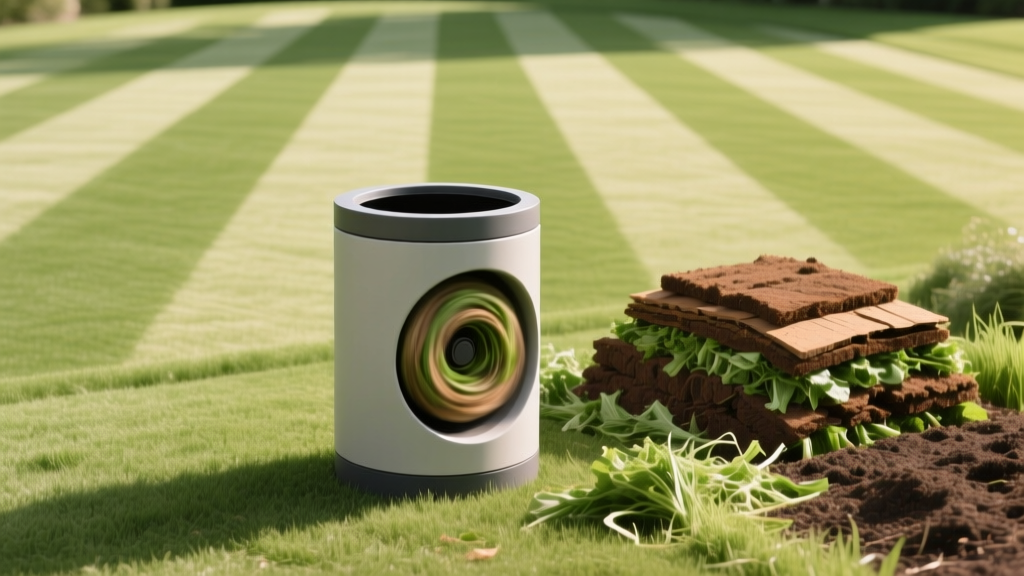
Tumbling vs Stationary Compost 2026: Perfect Soil for Lawn Stripes
David ParkPublished
The Secret to Crisp Lawn Stripes: It Starts in the Compost Bin
When you picture a perfectly striped lawn in 2026, you likely imagine the meticulous mowing patterns, the premium reel or rotary mower, and the lush, vibrant turf. However, the true foundation of those striking aesthetic patterns lies beneath the surface. To achieve the flawless, carpet-like canvas required for crisp lawn striping, your soil must be impeccably level and nutrient-dense. This is where the debate between a tumbling compost bin and a stationary compost pile becomes critical for landscape enthusiasts.
Lawn striping relies on light reflecting off grass blades bent in opposite directions. If your lawn has uneven dips or compacted soil, the mower wheels will bounce, disrupting the bend and creating jagged, broken lines in your pattern. Compost topdressing is the ultimate solution for leveling minor imperfections and building the deep, spongy root zone that allows grass to flex beautifully. But should you use a space-saving tumbler or a high-volume stationary pile to generate this black gold? Let us break down the best compost bin setups for achieving aesthetic lawn perfection in 2026.
Tumbling Compost Bins: The Manicured Lawn’s Best Friend
For homeowners focused on highly visible, manicured garden aesthetics, the tumbling compost bin is often the preferred choice. Tumblers are elevated, enclosed barrels that you rotate via a hand crank or by spinning the drum itself. Because they are fully sealed, they keep rodents out and odors in, making them ideal for placement near entertainment areas without disrupting the visual harmony of your landscape.
Why Tumblers Excel for Aesthetic Lawns
- Speed of Production: In 2026, advanced dual-chamber tumblers with optimized aeration baffles and solar-assisted thermal covers can process kitchen scraps and fine clippings into usable compost in as little as four to six weeks during peak summer temperatures.
- Spot Treatment Ready: The smaller, continuous batches produced by tumblers are perfect for spot-treating minor lawn dips that ruin stripe continuity. You can topdress small imperfections weekly without waiting for a massive pile to cure.
- Visual Discretion: Modern tumblers feature sleek, UV-resistant recycled plastics in forest green or charcoal gray, blending seamlessly into perimeter shrub borders.
According to the Environmental Protection Agency (EPA), enclosed composting systems are highly effective at retaining the heat necessary to break down organic matter quickly, provided the carbon-to-nitrogen ratio is properly managed. For lawn striping enthusiasts, this means you can quickly convert your spring aeration cores and early-season grass clippings into a fine topdressing material by mid-summer.
Stationary Compost Piles: Bulk Soil for Estate-Scale Striping
If you are managing a larger property or an estate-sized lawn where expansive checkerboard or diamond stripe patterns are the goal, a stationary compost pile or a multi-bin system is indispensable. Stationary piles sit directly on the earth, allowing beneficial soil microbes and earthworms to migrate into the compost, while also handling massive volumes of autumn leaves and bulk yard waste.
The Power of Volume for Lawn Leveling
Leveling a large lawn requires significant volumes of screened compost. A standard stationary three-bin system constructed from untreated cedar or composite lumber can hold over 100 cubic feet of material. When topdressing a 5,000-square-foot lawn to smooth out the micro-topography for flawless mower stripes, you will need approximately 1.5 to 2 cubic yards of compost. A tumbler simply cannot meet this demand in a single season.
- Microbial Diversity: Stationary piles interact directly with the soil food web. The Cornell Waste Management Institute notes that open or ground-based composting systems foster a wider diversity of thermophilic bacteria and fungi, which translates to superior soil structure when applied to your lawn.
- Cost-Effectiveness: Building a heavy-duty wire mesh and wooden pallet bin setup costs under $100 in 2026, whereas a high-capacity tumbler can exceed $350.
- Aesthetic Screening: While stationary piles are less visually appealing than tumblers, they can be easily hidden behind architectural trellises, fast-growing arborvitae screens, or ornamental grass borders, preserving the sightlines of your garden patterns.
Head-to-Head Comparison: Tumbler vs. Stationary Pile for Lawn Care
| Feature | Tumbling Compost Bin | Stationary Compost Pile |
|---|---|---|
| Processing Time | 4 to 8 weeks | 6 to 12 months |
| Volume Capacity | 15 to 40 gallons | 100+ cubic feet |
| Topdressing Yield | Low (Ideal for spot repairs) | High (Ideal for full-lawn leveling) |
| Aesthetic Footprint | Compact, modern, easily hidden | Requires screening or dedicated yard space |
| 2026 Average Cost | $150 - $350 | $0 - $150 (DIY materials) |
| Best For Stripe Prep | Urban/Suburban manicured lawns | Large estates and bulk leveling |
Choosing the Right Ingredients for Turf-Specific Compost
Not all compost is created equal, especially when your end goal is a high-performance lawn capable of holding deep, contrasting stripes. The grass needs a balance of nitrogen for blade growth and carbon for root development and soil structure. When filling your tumbler or stationary pile, aim for a carbon-to-nitrogen (C:N) ratio of roughly 30:1. The USDA Natural Resources Conservation Service emphasizes that balancing these materials is the key to preventing anaerobic odors and ensuring a crumbly, spreadable texture.
Greens (Nitrogen): Fresh grass clippings are an obvious choice, but be cautious. If you are treating a lawn for weeds, ensure your compost pile reaches at least 140°F (60°C) to destroy weed seeds before applying it back to your pristine striped canvas. Coffee grounds and vegetable scraps also provide excellent nitrogen spikes to heat up a stationary pile during the cooler months of early spring.
Browns (Carbon): Shredded autumn leaves, fine wood chips, and straw provide the necessary bulk and aeration. For tumblers, shredding your browns into pieces smaller than one inch is crucial; large twigs will jam the internal baffles and stall the decomposition process, delaying your topdressing schedule and leaving your lawn uneven right before your summer garden parties.
How to Use Compost to Level Your Lawn for Flawless Striping
Regardless of whether you choose a tumbler or a stationary pile, the method for applying your compost to enhance lawn striping remains the same. The goal is to fill in the low spots that cause mower wheels to dip, ensuring the roller or stripe kit bends the grass at a uniform height.
Step-by-Step Topdressing for Stripe Perfection
- Screen Your Compost: Raw compost is too chunky for lawn application. Build or purchase a topdressing screen with a 1/4-inch hardware cloth mesh. This ensures only fine, crumbly material reaches the turf canopy.
- Mow and Aerate: Mow your lawn slightly lower than usual. If the soil is compacted, perform core aeration first. The aeration holes will draw the compost deep into the root zone, improving drainage and turf resilience.
- Apply the Compost: Using a flat-nosed shovel, scatter the screened compost across the lawn in small piles. Aim for a uniform layer no thicker than 1/4 to 1/2 inch. You must still see the tips of the grass blades poking through; smothering the turf will kill it and ruin your aesthetic patterns entirely.
- Sweep and Level: Use a stiff push broom or a specialized lawn leveling drag mat to sweep the compost into the low spots and aeration holes. This is where the magic happens for lawn striping—the compost fills the micro-valleys, creating a perfectly flat surface for your mower's stripe kit to glide across.
- Water Deeply: Water the lawn immediately to wash the compost off the grass blades and down into the soil. This prevents fungal diseases and helps the leveling material settle.
Hiding Your Compost Setup to Preserve Garden Aesthetics
A major concern for gardeners obsessed with visual patterns and landscape aesthetics is the unsightly nature of composting. A stationary pile of decaying leaves can clash horribly with the clean, geometric lines of a striped lawn or a formal parterre garden.
To maintain your garden's aesthetic integrity in 2026, consider integrating living screens around your composting zone. Planting a semi-circle of tall, ornamental grasses like Miscanthus sinensis or installing a cedar lattice panel draped in climbing hydrangeas can completely obscure a stationary bin. For tumbler setups, simply nestling the unit behind a row of structured boxwood hedges keeps the functional equipment out of sight while maintaining the formal symmetry of your outdoor space.
Final Thoughts on Composting for the Perfect Stripe
Achieving the ultimate lawn stripe is an exercise in both art and soil science. While the mower does the bending, the soil provides the stage. If your priority is maintaining a pristine, compact garden footprint and you only need to spot-treat minor turf imperfections, a modern tumbling compost bin is your best ally. However, if you are preparing a sprawling lawn for massive, complex mowing patterns and need cubic yards of leveling material, the stationary compost pile is an absolute necessity. By matching your compost bin setup to your lawn's scale and aesthetic goals, you will cultivate the deep, healthy turf required to make your 2026 landscape patterns truly pop.
