Gardening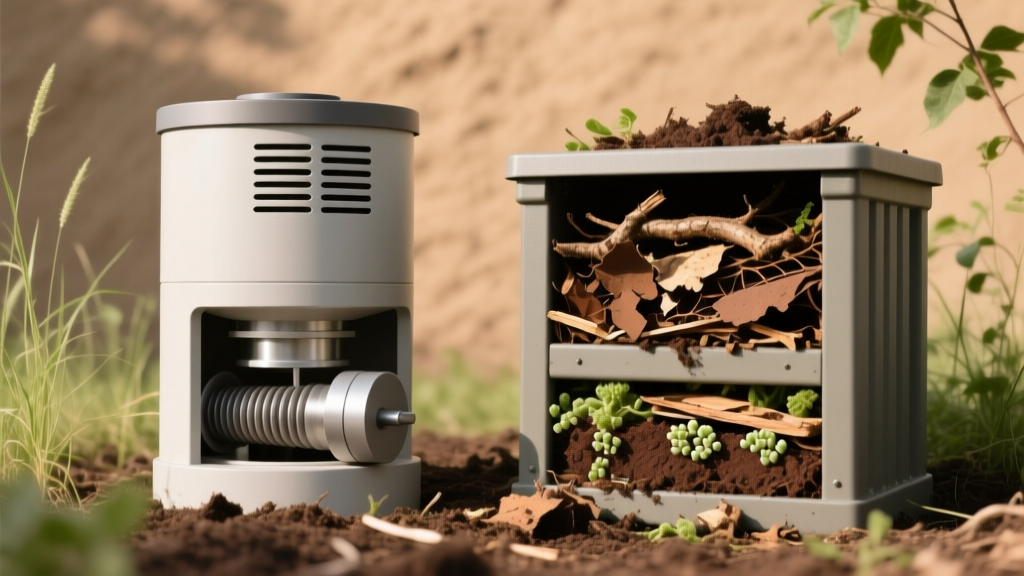
Composting Tree Webworm Debris: Tumbler vs Stationary 2026
David ParkPublished
Introduction to Tree Webworm Control via Composting
Tree webworms, primarily the fall webworm (Hyphantria cunea) and the eastern tent caterpillar, are notorious for wrapping the branches of pecan, walnut, sweetgum, and fruit trees in unsightly, silken webs. While they rarely kill mature, established trees, the severe defoliation and aesthetic damage drive homeowners to prune and remove infested branches. In 2026, sustainable gardeners and orchardists are moving away from bagging this debris for landfills and instead leveraging hot composting to destroy the pests organically. However, tossing webworm-infested leaves into a casual, cold compost pile is a recipe for disaster. It can harbor overwintering pupae and lead to a massive reinfestation the following spring. To effectively use composting as a tree webworm control method, you must achieve and maintain thermophilic temperatures. This brings us to a critical decision for your 2026 garden setup: should you use a tumbling composter or a stationary pile method to process this pest-laden debris?
The Biology of Tree Webworms and Compost Risks
According to the University of Florida IFAS Extension, fall webworms produce multiple generations a year in warmer climates, with the final generation dropping to the soil or hiding in leaf litter to pupate and overwinter. If your compost pile does not reach at least 130°F (54°C) for several consecutive days, you are essentially providing a cozy, protected sanctuary for these pupae. When the adult moths emerge in late spring, they will lay eggs directly on your nearby trees, restarting the destructive cycle. Therefore, the primary goal of composting webworm debris is not just soil amendment, but thermal eradication. The method you choose—tumbler or stationary—will dictate how easily you can achieve these lethal temperatures.
Tumbling Composters: The Enclosed Heat Trap
Tumblers are elevated, fully enclosed barrels that can be rotated via a crank or by hand. For webworm control, the enclosed nature of a tumbler is a massive advantage in 2026. If any early-hatching moths or parasitic wasps emerge inside the bin during the curing phase, they are trapped and eventually perish, preventing them from escaping into your garden. Furthermore, tumblers are exceptionally good at retaining heat when loaded correctly because their sealed plastic or metal walls block wind and trap solar radiation.
Modern dual-chamber tumblers, such as the Maze 70-Gallon Dual Tumbler or the FCMP Outdoor IM4000, allow you to batch compost efficiently. You can fill one chamber with fresh webworm prunings and high-nitrogen activators, while the second chamber cures and cools. The aeration provided by the internal baffles and the act of spinning the drum ensures that oxygen reaches the aerobic bacteria responsible for generating heat.
The Drawbacks: The main drawback of tumblers for tree debris is volume and physical size. Webworm webs are incredibly bulky, and pruned branches must be shredded or chopped into pieces smaller than two inches to fit through the tumbler doors and decompose properly. If you are dealing with a massive sweetgum or pecan tree, a single tumbler may not suffice for a late-summer mass pruning event. You will need a wood chipper to process the branches before they can enter the tumbler.
Stationary Compost Bins: High-Volume Pest Destruction
Stationary bins or open piles are the traditional workhorses of the garden. For large-scale tree webworm outbreaks, a stationary 3-bin system constructed from wooden pallets or heavy-duty wire mesh is often the only practical way to handle the sheer volume of infested branches and webbed foliage. The key to using a stationary pile for pest control is the 'hot composting' method, which requires meticulous layering and frequent turning with a pitchfork.
According to the Environmental Protection Agency (EPA), a properly managed stationary pile can easily exceed 140°F in its core, effectively sterilizing the webworm debris and destroying any fungal pathogens that might have taken advantage of the stressed tree. Because stationary piles have a larger mass, they hold their thermophilic temperatures longer than small tumblers, providing a wider window of time to ensure all pupae are eradicated.
The Drawbacks: Turning a heavy, hot pile of wet, webbed leaves and woodchips is highly labor-intensive. The silken webs of the fall webworm can mat together when wet, creating anaerobic pockets that cool down and slow decomposition. Additionally, if the outer layers of the stationary pile do not get mixed into the hot core during turning, pupae on the periphery can survive the winter. You must be diligent about turning the entire pile, moving the cool edges into the steaming center.
Feature Comparison: Tumblers vs. Stationary Bins for Webworms
| Feature | Tumbling Composter | Stationary Pile / Bin |
|---|---|---|
| Volume Capacity | Low to Medium (30-80 Gallons) | High (Unlimited, based on bin size) |
| Heat Retention | Excellent (Enclosed, solar gain) | Good (Depends on mass and insulation) |
| Pest Containment | Superior (Fully sealed from escape) | Moderate (Open tops allow moth escape) |
| Branch Processing | Requires chipping to <2 inches | Can handle larger, bulkier prunings |
| Aeration Effort | Low (Simply spin the drum) | High (Manual pitchfork turning) |
| Best For | Small yards, light pruning, urban IPM | Orchards, large properties, heavy outbreaks |
Pre-Treatment: Solarization of Webbed Branches
Before adding heavily webbed branches to either your tumbler or stationary pile, consider a pre-treatment step to weaken the pest population. Place the freshly pruned, web-covered branches into clear, heavy-duty contractor bags. Seal the bags and leave them in direct sunlight on a driveway or patio for 5 to 7 days. This solarization process traps heat and moisture, effectively cooking the active larvae and weakening the pupae. Once the debris is thoroughly wilted and the larvae are deceased, you can safely transfer the material to your compost system. This drastically reduces the biological load your compost pile must handle and prevents the silk webs from matting up your tumbler's aeration baffles.
Step-by-Step Setup for Hot Composting Infested Debris
Whether you choose a tumbler or a stationary bin, achieving the 130°F to 160°F range required to kill webworm pupae demands a precise recipe. Follow these steps for your 2026 composting season:
- Shred the Debris: Webworms feed on the leaves, but the branches they inhabit must be chipped. The smaller the particle size, the faster the bacteria can break it down and generate heat. Aim for pieces no larger than 1 inch in diameter.
- Balance the C:N Ratio: Tree leaves and woodchips are high in carbon (browns). To ignite a hot compost fire, you must mix them with high-nitrogen materials (greens). Use a ratio of 2 parts brown webworm debris to 1 part green material, such as fresh grass clippings, coffee grounds, or poultry manure.
- Moisture Management: The pile should feel like a wrung-out sponge. Webbed leaves can be hydrophobic at first, so soak your chipped debris in a wheelbarrow for an hour before adding it to the bin to ensure adequate moisture for microbial activity.
- Aggressive Turning Schedule: For stationary piles, turn the material every 3 days for the first two weeks. For tumblers, give the drum 5 to 10 full rotations every 2 days. This frequent introduction of oxygen fuels the thermophilic bacteria.
Monitoring and Maintenance in 2026
You cannot manage what you do not measure. To guarantee that your compost is hot enough to act as a viable tree webworm control method, you must use a dedicated compost thermometer. In 2026, models like the REOTEMP 24-inch Backyard Compost Thermometer are essential tools for the serious gardener. Insert the probe into the center of the stationary pile, or utilize the built-in thermometer ports found on many premium 2026 tumblers. You are looking for the core temperature to reach at least 131°F for three consecutive days. According to Penn State Extension, thorough sanitation and the destruction of overwintering sites are critical components of an Integrated Pest Management (IPM) strategy for webworms. If your pile cools down prematurely, add more nitrogen-rich greens, check the moisture levels, and turn the pile again to reignite the heating process.
Conclusion
Composting tree webworm debris is an excellent way to close the loop on garden waste while simultaneously neutralizing a persistent pest. If you have a smaller suburban yard and want a clean, enclosed, and low-effort system, a dual-chamber tumbler is your best defense against escaping moths and surviving pupae. However, if you are managing large orchard trees or dealing with a massive late-summer defoliation event, a well-managed stationary hot compost pile offers the volume and sustained heat necessary to process heavy branch prunings. By understanding the biology of the webworm and strictly adhering to hot composting principles, you can turn a frustrating pest problem into nutrient-rich, sterile compost for your 2027 spring garden.
