Gardening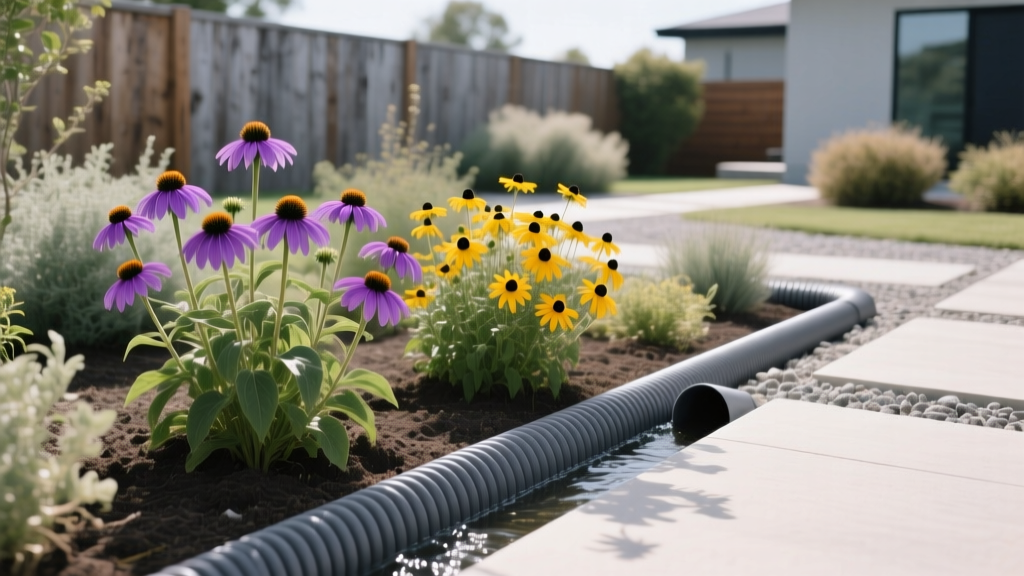
2026 Coneflower & Black-Eyed Susan Garden Design With Drainage Pipes
Anna KowalskiPublished
Designing Resilient Prairie Gardens in Challenging Soils
As we move through the 2026 gardening season, the trend toward resilient, native-adjacent perennial landscapes continues to dominate garden design. Among the most coveted plants for these sustainable gardens are the Purple Coneflower (Echinacea purpurea) and the Black-Eyed Susan (Rudbeckia fulgida). Both species offer brilliant, long-lasting summer color, attract vital pollinators, and require minimal maintenance once established. However, there is a hidden enemy that routinely destroys these prairie natives in residential landscapes: poor soil drainage.
Coneflowers and Black-Eyed Susans are famously drought-tolerant, but they are highly susceptible to root rot when subjected to standing water or heavy, compacted clay soils. If your yard suffers from poor percolation, simply amending the topsoil is rarely enough. The ultimate 2026 solution for establishing a thriving perennial bed in wet areas is the strategic integration of a landscape drainage pipe system beneath the garden bed. By combining modern hardscaping drainage techniques with thoughtful softscaping, you can create the perfect, well-draining environment these perennials demand.
The Botanical Need for Impeccable Drainage
To understand why a landscape drainage pipe is necessary, we must look at the natural habitat of these perennials. In the wild, coneflowers and Black-Eyed Susans thrive in open prairies and woodland edges where deep, loamy soils allow water to percolate rapidly. According to the NC State Extension, Rudbeckia fulgida requires well-drained soil to prevent crown rot and fungal diseases like powdery mildew, which flourish in damp, stagnant conditions.
Similarly, the Missouri Botanical Garden notes that while Echinacea purpurea is tolerant of a wide range of conditions, it performs best in dry-to-medium moisture, well-draining soils. When planted in heavy clay that traps water, the deep taproots of the coneflower suffocate. The roots literally drown, leading to a sudden collapse of the plant, often mistaken for drought stress. Installing a subsurface landscape drainage pipe intercepts this excess water, wicking it away from the root zone and mimicking the natural percolation of a prairie environment.
Choosing the Right Landscape Drainage Pipe for Flower Beds
Not all drainage pipes are created equal. When designing a perennial flower bed, you must choose materials that promote water capture without compromising the structural integrity of the planting zone above.
- Perforated Corrugated Flex Pipe: This is the most popular choice for garden bed French drains. It is flexible, making it easy to curve around the organic shapes of a perennial border. Modern 2026 models often come pre-wrapped in a geotextile sock to prevent soil infiltration.
- Perforated Rigid PVC (Schedule 40):strong> Best for straight runs or areas where heavy foot traffic or deep root systems might crush corrugated piping. It is more labor-intensive to install but offers superior longevity.
- Eco-Friendly Recycled Aggregate Pipes: A major innovation for 2026 is the use of lightweight, recycled polystyrene aggregate wrapped in a permeable fabric. These 'pipeless' drainage systems replace traditional gravel and pipe, reducing the weight and excavation depth required for garden beds.
Step-by-Step Installation Guide for Perennial Beds
Integrating a landscape drainage pipe into a new or existing flower bed requires careful planning. Follow these steps to ensure your coneflowers and Black-Eyed Susans have a dry, healthy foundation.
1. Map the Water Flow and Trenching
Observe your yard during a heavy rainstorm to identify where water pools. Plan your drainage trench to intercept this water and carry it to a safe discharge point, such as a dry well, a storm drain, or a lower-elevation swale. Dig a trench approximately 12 to 18 inches deep and 10 inches wide. The trench must maintain a minimum slope of 1% (a 1-inch drop for every 8 feet of pipe) to ensure gravity moves the water effectively.
2. Lay the Landscape Drainage Pipe
Line the bottom of the trench with a 2-inch layer of washed, angular gravel (avoid rounded river rock, as it does not lock together). Place your perforated landscape drainage pipe on top of the gravel, ensuring the perforations face downward. This counter-intuitive placement allows water to enter the pipe from the bottom, preventing sediment from washing directly into the pipe holes.
3. Cover and Protect
Cover the pipe with another 2 to 3 inches of washed gravel. Next, drape a high-quality, non-woven geotextile landscape fabric over the gravel. This fabric acts as a filter, allowing water to pass through while blocking fine clay particles and topsoil from clogging the pipe. Overlap the fabric edges to create a complete envelope around the gravel and pipe.
4. Build the Amended Soil Profile
Because the USDA NRCS emphasizes the importance of soil structure for plant health, you must build a premium soil profile above the drainage system. Fill the remainder of the trench and the garden bed above it with a mix of 40% native topsoil, 30% coarse horticultural sand, and 30% organic compost. This creates a loamy, fast-draining matrix that sits safely above the drainage pipe.
2026 Variety Selection and Garden Layout
With the drainage infrastructure secured, you can confidently select top-performing varieties. The 2026 nursery market offers incredible cultivars that provide staggered bloom times and diverse color palettes. When designing your layout, place taller varieties like Black-Eyed Susans toward the center or back of the bed, and use compact coneflowers to anchor the borders.
| Plant Species | 2026 Top Cultivar | Bloom Color | Mature Height | Drainage Tolerance |
|---|---|---|---|---|
| Echinacea purpurea | 'PowWow Wild Berry' | Deep Rose-Pink | 20-24 inches | Excellent (Requires fast-draining loam) |
| Echinacea hybrida | 'Sombrero Baja Orange' | Vibrant Orange | 18-22 inches | High (Thrives above gravel drain beds) |
| Rudbeckia fulgida | 'Goldstrum' | Golden Yellow / Black Eye | 24-30 inches | Moderate to High (Forgiving but prefers dry feet) |
| Rudbeckia hirta | 'Cherry Brandy' | Maroon / Deep Red | 20-24 inches | High (Needs excellent surface percolation) |
Planting Techniques Over Drainage Systems
When planting your perennials, be mindful of the landscape drainage pipe buried below. While the pipes are typically buried 12 inches deep, the taproots of mature coneflowers can eventually reach this depth. To prevent root interference, plant your Echinacea and Rudbeckia slightly off-center from the direct line of the trench. Space your plants 18 to 24 inches apart to ensure adequate airflow, which further reduces the risk of foliar diseases in humid summer climates.
When digging the planting holes, avoid using sharp spades that could puncture the corrugated pipe or tear the geotextile fabric below. If you hit the gravel layer, simply backfill with your amended soil mixture and plant slightly higher, creating a gentle mound. Coneflowers and Black-Eyed Susans actually prefer being planted slightly 'proud' (above grade) to ensure water sheds away from their crowns.
Long-Term Maintenance and Care
A garden built over a landscape drainage pipe system requires minimal, yet specific, maintenance to ensure longevity. In the fall, leave the seed heads of your Black-Eyed Susans and Coneflowers intact. Not only do they provide striking architectural interest in the winter garden, but they also offer a crucial food source for overwintering birds like goldfinches and chickadees.
Every two to three years, inspect the discharge point of your drainage pipe. Flush the system with a garden hose to clear any fine silt or root intrusions that may have bypassed the geotextile fabric. Avoid planting aggressive, water-seeking shrubs or trees near the drainage line, as their roots will actively seek out the moisture inside the pipe. By maintaining the hardscape drainage and dividing your perennials every four years, your 2026 prairie garden will remain a vibrant, low-maintenance focal point of your landscape for decades to come.
