Pest Control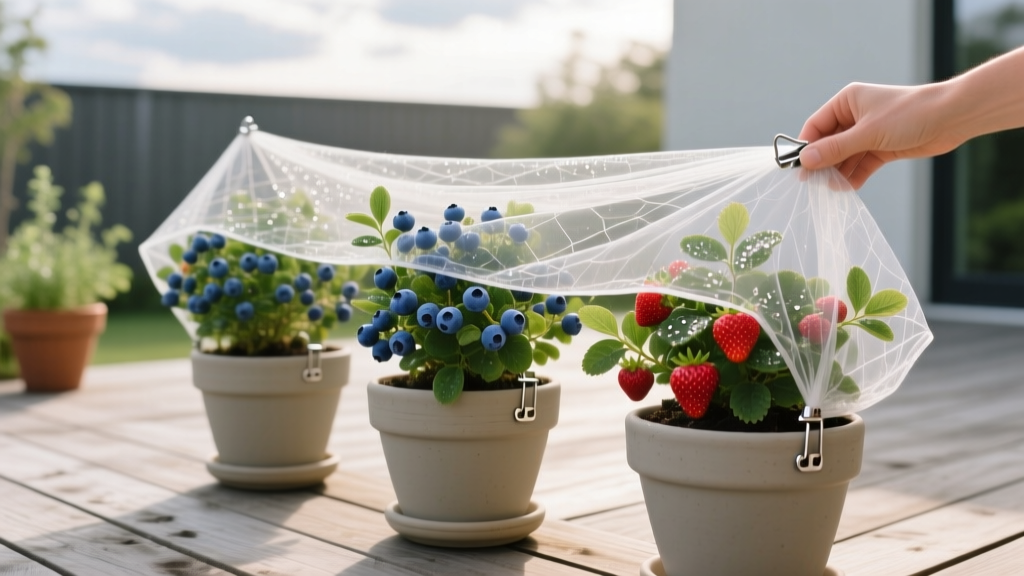
Potted Berry Bush Bird Netting Installation Guide 2026
Sarah ChenPublished
The Avian Threat to Container Berries in 2026
Container gardening has completely transformed urban and suburban agriculture by 2026. With the widespread availability of high-yield dwarf cultivars like the 'Top Hat' blueberry, 'Baby Cakes' blackberry, and 'Albion' strawberry, homeowners with limited space are harvesting impressive yields right from their balconies, patios, and rooftops. However, this high-density, accessible fruit production has not gone unnoticed by local wildlife. Avian pests—specifically robins, starlings, cedar waxwings, and finches—view potted berry bushes as convenient, all-you-can-eat buffets.
Unlike traditional in-ground garden beds, container plants are often elevated and isolated, making them incredibly easy targets for foraging birds. A flock of cedar waxwings can strip a mature potted blueberry bush of its entire crop in less than twenty minutes. According to avian management guidelines published by the Penn State Extension, physical exclusion remains the single most effective method for protecting fruit crops from bird damage. For the container gardener, mastering bird netting installation is not just an option; it is an absolute necessity for a successful harvest.
Choosing the Right Netting for Potted Berries
When selecting netting for container setups in 2026, you must balance durability, mesh size, and environmental impact. The standard recommendation for berry protection is a mesh size of 5/8 inch (approximately 1.5 cm). This size is small enough to exclude most fruit-eating birds while allowing essential pollinators to access early blooms if you apply the netting post-pollination, and it permits adequate sunlight and rainfall to reach the soil.
Modern UV-stabilized polypropylene remains the industry standard due to its longevity, but biodegradable options have gained significant market share this year. Below is a comparison of the top netting materials available for container gardeners in 2026.
| Material | Lifespan | Pros | Cons |
|---|---|---|---|
| UV-Stabilized Polypropylene | 5-8 Years | Durable, reusable, lightweight, tear-resistant | Petroleum-based, requires careful storage |
| Biodegradable Jute/Cotton | 1-2 Seasons | Eco-friendly, compostable, natural aesthetic | Heavy when wet, prone to mold, sags over time |
| Knotted Nylon | 10+ Years | Extremely strong, professional grade | Expensive, heavier, harder to cut and shape |
Essential Tools for Container Netting Installation
Draping netting directly over a delicate berry bush is a common rookie mistake. The weight of the netting can snap fruiting branches, and birds can easily peck through the mesh where it rests directly against the berries. To create a proper exclusion zone, you need to build a micro-frame. Gather the following supplies:
- Netting: 5/8 inch UV-stabilized polypropylene (cut to roughly 3x the height of your pot).
- Frame Supports: 1/2 inch PVC pipes cut to length, or heavy-gauge galvanized wire hoops.
- Connectors: PVC cross-joints or garden hoop clips.
- Fasteners: Heavy-duty binder clips, specialized garden netting clips, or velcro plant ties.
- Base Securers: Bungee cords or heavy twine to seal the netting to the pot rim.
Step-by-Step Bird Netting Installation for Pots
Step 1: Pruning and Pot Preparation
Before installing any physical barriers, prune your potted berry bush to remove dead wood and inward-growing branches. This improves airflow—a critical factor in preventing fungal diseases like powdery mildew, which can thrive under netting if the microclimate becomes too humid. Ensure your container is situated in its final location, as moving a netted pot is cumbersome and risks tearing the mesh.
Step 2: Constructing the Micro-Hoop Frame
For a standard 15-gallon container, insert three or four 1/2 inch PVC pipes or galvanized wire hoops into the soil, creating a dome or cage structure that extends at least 6 inches above the highest fruiting branch. If using PVC, you can use cross-connectors at the top to form a sturdy geodesic dome. This frame ensures the netting remains suspended above the fruit, preventing birds from pecking through the holes to reach the berries.
Step 3: Draping and Securing the Netting
Drape your chosen netting over the frame, ensuring it reaches all the way to the base of the container. Pull the material taut to prevent sagging, which can create pockets where birds might become tangled. The National Audubon Society strongly emphasizes that loose, poorly secured netting is a severe hazard to wildlife, often leading to fatal entanglements. Always pull the netting tight and secure it firmly.
Step 4: The 'Skirt' Seal Method
The most vulnerable point of any container netting setup is the gap between the netting and the pot rim. Ground-foraging birds and small rodents will easily find their way inside if this gap is left open. Gather the excess netting around the base of the pot and secure it tightly using a bungee cord wrapped around the pot's circumference, or use heavy-duty binder clips to attach the netting directly to the pot's lip. This creates an impenetrable 'skirt' seal.
Pro Tip for 2026: If your containers have built-in trellises, use zip-ties to anchor the netting to the trellis crossbars before sealing the base. This prevents wind from lifting the netting and exposing the fruit.
Integrated Pest Management (IPM) Under the Net
While bird netting is highly effective against avian pests, it introduces new challenges regarding insect pest management. Netting can reduce airflow and limit the access of natural predatory insects, potentially creating a safe haven for aphids, spider mites, and whiteflies. As part of a holistic Integrated Pest Management (IPM) strategy, you must monitor the interior of your netted containers weekly.
If you notice an aphid infestation developing on your potted blueberries, introduce beneficial insects directly inside the netted enclosure. Releasing live ladybugs or lacewings inside the sealed container creates a controlled, predator-rich environment that will rapidly decimate the aphid population without the need for chemical interventions. Furthermore, the National Gardening Association recommends using organic insecticidal soaps or neem oil sprays inside the netting during early morning hours to ensure the foliage dries quickly, mitigating fungal risks.
Visual and Auditory Deterrents as Backup
For high-traffic urban areas where bird pressure is immense, combine physical netting with visual deterrents. Hanging holographic reflective tape or old CDs from the netting frame creates unpredictable light flashes that disorient approaching birds. In 2026, solar-powered ultrasonic bird repellers designed specifically for small patio spaces can also be clipped to the exterior of the netting frame, providing a multi-sensory defense system.
2026 Cost Breakdown for a Container Berry Station
Investing in a proper netting setup for container berries is highly cost-effective when compared to the annual loss of expensive, organically grown fruit. Below is an estimated cost breakdown for outfitting a three-pot berry station (using 15-gallon containers) with premium materials in 2026.
| Item | Quantity | Estimated 2026 Cost |
|---|---|---|
| UV-Stabilized Polypropylene Netting (10x10 ft) | 1 Roll | $24.99 |
| 1/2 inch PVC Pipe (10 ft lengths) | 3 Pipes | $12.50 |
| PVC Cross-Connectors and End Caps | 1 Pack | $8.99 |
| Heavy-Duty Binder Clips & Bungee Cords | 1 Assortment | $7.50 |
| Holographic Bird Scare Tape | 2 Rolls | $9.99 |
| Total Estimated Cost | $63.97 |
This initial investment will easily last for five or more growing seasons, provided the netting is cleaned, dried, and stored indoors during the winter months. By treating your potted berries as individual, manageable micro-ecosystems, you can guarantee that when harvest season arrives, the only one enjoying the fruits of your labor is you.
Conclusion
Protecting potted berry bushes from birds requires a strategic, hands-on approach that differs significantly from traditional row-crop netting. By selecting the appropriate UV-resistant mesh, constructing a supportive internal frame, and meticulously sealing the base of the container, you create an impenetrable fortress against avian pests. Coupled with vigilant IPM practices to manage secondary insect outbreaks, your container berry garden will thrive throughout the 2026 season and beyond, delivering sweet, unblemished harvests straight from your patio to your plate.