Lawn Care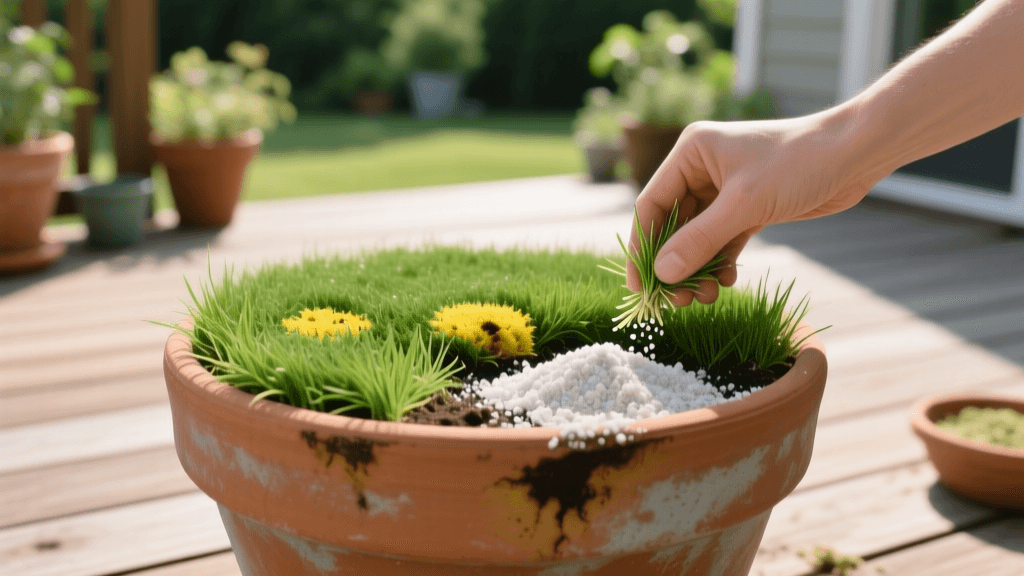
2026 Guide: Dog Urine Spot Repair in Container Lawns Using Gypsum
The Rise of the Container Lawn in Urban Spaces
As urban living spaces continue to evolve in 2026, the traditional sprawling backyard is no longer the only way to enjoy a lush, green lawn. Container lawns, turf pots, and raised patio planters have surged in popularity among urban pet owners, balcony gardeners, and tiny-home enthusiasts. Growing grass in large, specialized containers provides a soft, natural play area for dogs in concrete-heavy environments. However, maintaining turf in confined soil volumes presents a unique set of horticultural challenges, particularly when it comes to pet waste. Dog urine spot repair in container lawns requires a vastly different approach than treating an in-ground yard, and mastering the use of gypsum alongside targeted reseeding is the most effective strategy for saving your potted turf this year.
Why Dog Urine is Devastating in Confined Soil Volumes
When a dog relieves itself on a standard in-ground lawn, the sheer volume of surrounding soil and the natural drainage pathways help to dilute and leach away the excess nitrogen and salts found in urine. In a container lawn, however, the soil volume is strictly limited. According to turf management principles outlined by the University of Minnesota Turfgrass Science program, the concentrated salts and high nitrogen loads in dog urine act like a chemical burn on grass roots. In a pot, these compounds have nowhere to go. They accumulate rapidly in the potting mix, destroying the soil structure, compacting the organic matter, and creating a toxic, highly saline environment that instantly kills grass roots and prevents new seeds from germinating.
Furthermore, many premium 2026 potting soils utilize biochar and heavy peat alternatives to retain moisture. While excellent for drought tolerance, these materials also possess a high Cation Exchange Capacity (CEC), meaning they aggressively hold onto the sodium and uric acid crystals from dog urine, locking the toxins right inside the root zone of your container lawn.
The Science of Gypsum in Potting Mixes
To repair these dead spots, you cannot simply throw new grass seed on top of the urine-burned soil; the residual salts will kill the new seedlings. This is where gypsum (calcium sulfate) becomes the ultimate container lawn savior. Gypsum is not a fertilizer, nor does it alter the pH of your soil. Instead, it works through a chemical process called flocculation and cation exchange.
When applied to a urine-scorched container lawn, the calcium in the gypsum displaces the toxic sodium ions that have bound themselves to the soil particles. Once the sodium is displaced, it becomes water-soluble and can be flushed out through the container's drainage holes. Simultaneously, the sulfate helps to break up compacted, hydrophobic organic matter in the pot, restoring crucial porosity and oxygen flow to the remaining root zone. The Penn State Extension frequently highlights gypsum's ability to improve soil structure and mitigate salt damage, making it an indispensable tool for confined turf environments.
Step-by-Step Repair Guide for Potted Turf
Repairing a dog urine spot in a container lawn requires a systematic approach to neutralize the soil before introducing new seed. Follow these actionable steps for 2026 container maintenance.
Step 1: The Deep Flush
Before applying any amendments, you must physically wash out the water-soluble uric acid and excess nitrogen. Take your container to a bathtub, utility sink, or outdoor patio drain. Slowly pour 3 to 5 gallons of clean water through the soil, allowing it to drain completely out the bottom. Repeat this process three times. This aggressive flushing mimics heavy rainfall and removes the immediate toxic threat from the confined root zone.
Step 2: Gypsum Application and Integration
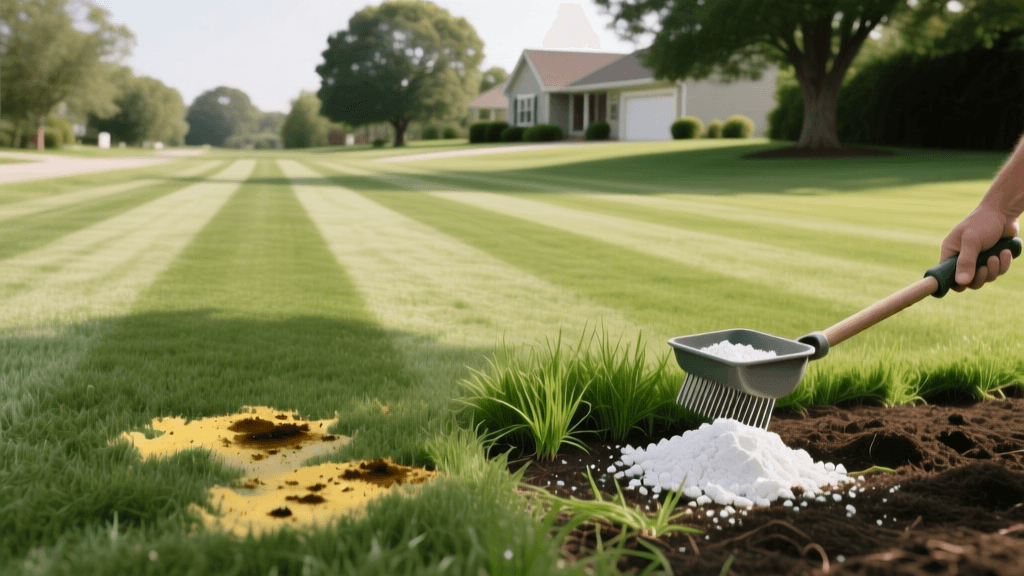
Once the container has drained and the soil is moist but not waterlogged, apply pelleted gypsum. Pelleted gypsum is preferred over powdered gypsum for container lawns because it is easier to measure, dust-free, and breaks down slowly with each watering. Sprinkle the gypsum evenly over the urine-burned spot and the surrounding two inches of healthy turf. Using a hand cultivator or a sturdy garden fork, gently scratch the gypsum into the top 1.5 inches of the potting mix. Be careful not to tear the roots of the surrounding healthy grass.
Step 3: Micro-Aeration and Soil Prep
Dog urine often causes the organic matter in potting soil to collapse and become hydrophobic. Use a hand fork to poke deep aeration holes into the dead spot. This creates channels for the gypsum to travel deeper into the pot and provides a safe harbor for new grass seeds. Remove any completely dead, matted grass blades with a small hand rake to expose the bare soil.
Step 4: Reseeding with 2026 Container Cultivars
Not all grass seed is created equal, especially for pots. In 2026, turf breeders have released exceptional dwarf cultivars specifically designed for the shallow, confined root zones of container gardens. Look for 'Dwarf Tall Fescue' blends for cool-season patios, or 'Micro-Clover' mixes which naturally resist nitrogen burns and stay low to the ground. Broadcast the seed heavily over the aerated, gypsum-treated spot. Top-dress with a thin layer (1/4 inch) of sterile, peat-free seed starter mix to retain moisture, and mist the container daily until germination occurs.
Container Repair Data Chart
Proper dosing is critical in container gardening. Over-applying gypsum can lead to calcium toxicity, while under-flushing will leave residual salts. Use the following chart as your 2026 reference guide for standard patio turf pots:
| Container Volume | Flush Water Volume | Pelleted Gypsum Dose | Seed Application Rate |
|---|---|---|---|
| 5 - 10 Gallons | 10 Gallons | 2 Tablespoons | 1/2 Teaspoon |
| 15 - 20 Gallons | 20 Gallons | 4 Tablespoons | 1 Teaspoon |
| 25 - 30 Gallons | 30 Gallons | 6 Tablespoons | 1.5 Teaspoons |
| Half-Barrel (50+ Gal) | 50+ Gallons | 1/2 Cup | 1 Tablespoon |
Best Grass Varieties for 2026 Container Lawns
When reseeding your container lawn, selecting the right genetics is half the battle. Standard lawn seed will grow too tall, develop massive root systems that quickly become root-bound in pots, and require constant mowing. According to the Royal Horticultural Society (RHS), selecting slow-growing, drought-tolerant, and wear-resistant varieties is key to long-term container success.
- Dwarf Turf-Type Tall Fescue: Ideal for cool-season patios. It features deep, fibrous roots that tolerate the wet-dry cycles of container life and recovers well from pet traffic.
- Creeping Red Fescue: A fine-bladed grass that thrives in partial shade (perfect for balcony containers) and requires minimal mowing.
- Miniature White Clover: While not a traditional grass, blending micro-clover into your container lawn in 2026 is a top trend. Clover naturally fixes nitrogen, stays incredibly green, and is highly resistant to the nitrogen burns caused by dog urine.
- Dwarf Bermudagrass (Warm-Season): For sunny, hot patios in southern climates, dwarf bermuda spreads laterally via stolons, knitting together a dense, urine-resistant mat that survives heavy foot and paw traffic.
Long-Term Prevention and Container Maintenance
Repairing spots with gypsum and seed is effective, but prevention is the ultimate goal for container lawn owners. First, train your dog to use a specific 'target pot' filled with mulch or artificial turf, sparing your main grass containers. If your dog must use the grass container, keep a watering can nearby. Immediately pouring a pint of water over the spot after your dog urinates dilutes the nitrogen before it can burn the grass or bind to the soil particles.
Additionally, incorporate a monthly maintenance routine for your container lawns. Once a month, apply a light dusting of preventative gypsum and flush the pots with plain water to prevent the slow buildup of tap water minerals and residual pet waste. By combining the chemical restorative power of gypsum with modern, container-specific grass cultivars, you can maintain a pristine, pet-friendly potted lawn all year round in 2026.