
Landscaping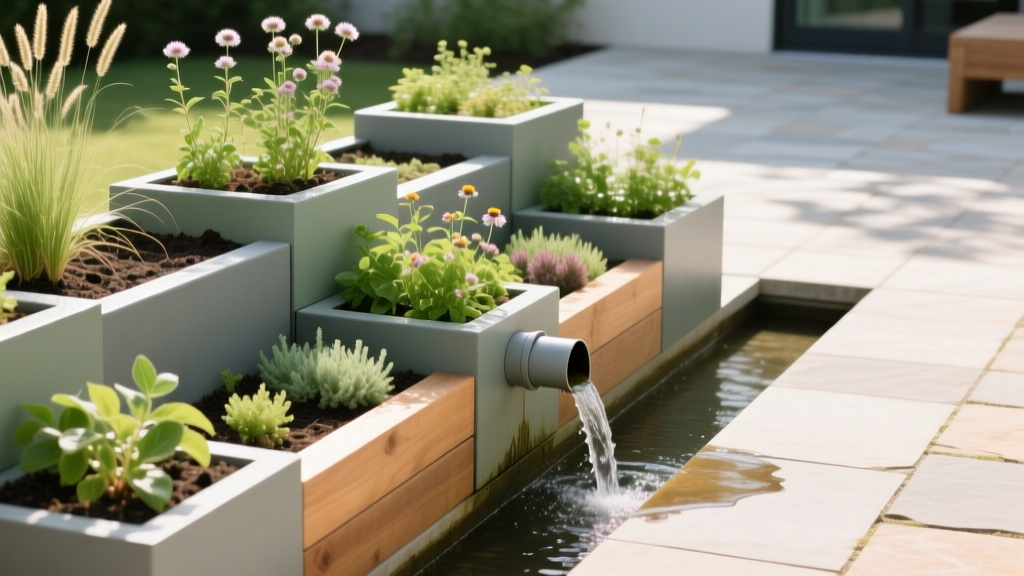
2026 Container Rain Gardens: Patio Stormwater Management
Sarah ChenPublished
The Rise of the Container Rain Garden in Urban Landscapes
As urbanization increases and municipalities implement stricter stormwater runoff fees in 2026, homeowners with patios, driveways, and small urban yards are turning to an innovative solution: the container rain garden. Traditional in-ground rain gardens require significant excavation, making them impossible for renters, those with hardscaped outdoor living spaces, or properties with heavy clay soils. Enter the modular bioswale planter—a large-scale container gardening technique designed specifically to capture, filter, and slowly release roof runoff.
Container rain gardens merge the aesthetic appeal of large-scale patio pot gardening with the ecological benefits of green infrastructure. By intercepting downspout water before it hits impermeable concrete, these specialized planters reduce localized flooding, filter out pollutants, and recharge local groundwater. According to the EPA's Green Infrastructure guidelines, capturing stormwater at the source is one of the most effective ways to reduce the burden on municipal sewer systems and improve local watershed health.
How Modular Bioswale Planters Manage Stormwater
Unlike standard decorative pots that simply drain water onto the pavement, a container rain garden is engineered to act as a miniature bioretention cell. Water from your roof is diverted via a downspout extension or a rain barrel overflow hose directly into the top of the planter. The container is filled with a highly specific, fast-draining engineered soil mix rather than standard potting soil.
As the stormwater percolates through the soil profile, the plant roots and soil microbes break down pollutants like nitrogen, phosphorus, and heavy metals. An elevated overflow pipe ensures that during extreme 2026 weather events, excess water safely bypasses the planter and exits into a designated drainage area or dry well, preventing the container from becoming a waterlogged breeding ground for mosquitoes.
Choosing the Right Container for 2026
When selecting a vessel for a container rain garden, volume and durability are paramount. A standard 15-gallon nursery pot is insufficient; you need containers that can hold a minimum of 50 to 150 gallons of bioretention media to handle the sheer volume of a typical roof downspout during a heavy storm.
- Corten Steel Troughs: Highly popular in 2026 modern landscape design, weathering steel develops a protective rust patina and can withstand the constant moisture fluctuations of a rain garden without degrading.
- Fiberglass Half-Barrels: Lightweight, frost-resistant, and easy to drill for overflow fittings. These are ideal for rooftop gardens or second-story balconies where weight restrictions apply.
- Upcycled IBC Tote Bases: For the budget-conscious DIYer, cutting down a food-grade Intermediate Bulk Container (IBC) tote provides a massive 200+ gallon reservoir that can be disguised with wooden slat cladding.
- Custom Cedar Planters: Built with rot-resistant cedar and lined with heavy-duty EPDM pond liner, these offer a traditional garden aesthetic while protecting the wood from constant moisture.
Formulating the Perfect Bioretention Soil Mix
The most common mistake in container water gardening is using standard bagged potting soil. Potting soil is designed to retain moisture, which will drown rain garden plants and cause the container to overflow too quickly. Instead, you must use a bioretention soil mix. For detailed soil percolation testing and media formulation, Penn State Extension's rain garden resources provide excellent baseline ratios for DIY bioretention mixes.
The gold-standard 2026 recipe for container bioretention media is:
- 60% Coarse Builder's Sand: Ensures rapid drainage and prevents soil compaction over time.
- 20% Screened Compost: Provides slow-release nutrients and supports the microbial life necessary to break down stormwater pollutants.
- 20% Topsoil: Adds necessary structure and trace minerals.
- Optional 2026 Amendment - Biochar: Adding 5% horticultural biochar to your mix is a growing trend this year, as it dramatically increases the soil's ability to adsorb heavy metals and retain nutrients without waterlogging the roots.
Best Native Plants for Wet-Dry Container Cycles
Plants in a container rain garden face extreme conditions: they may be submerged in a few inches of water during a spring thunderstorm, only to face bone-dry soil during a late-summer heatwave. When selecting plants, experts at Rutgers Cooperative Extension emphasize choosing species that can tolerate both 'wet feet' during heavy storms and drought conditions during late summer.
Top 2026 Plant Recommendations for Container Bioswales:
- Swamp Milkweed (Asclepias incarnata): Essential for monarch butterflies, this native thrives in wet conditions but adapts well to deep containers. Its deep taproot helps break up the soil profile.
- Blue Flag Iris (Iris versicolor): A stunning, water-loving perennial that acts as a powerhouse for filtering excess nitrogen from roof runoff.
- Spotted Joe Pye Weed (Eutrochium maculatum): While it can grow tall in the ground, in a container it stays slightly more compact and provides massive late-summer blooms for pollinators.
- Soft Rush (Juncus effusus): Excellent for the lowest, wettest center of the planter. It provides striking vertical architectural interest and handles prolonged saturation effortlessly.
Step-by-Step Installation Guide
Building your container rain garden requires careful attention to drainage and overflow mechanics. Follow these steps for a successful installation:
1. Site Assessment and Grading
Place your container on a stable, level surface. Ensure the patio or hardscape beneath it has a slight slope (at least 1/8 inch per foot) directing water away from your home's foundation. Use heavy-duty pot feet or cinder blocks to elevate the container slightly, allowing water to exit the bottom drainage holes freely.
2. Container Prep and Overflow Fitting
Drill several 1/2-inch holes in the bottom for base drainage. Next, drill a 2-inch hole near the top rim of the container (about 2 inches below the soil line). Install a PVC bulkhead fitting and attach a 2-inch overflow pipe. This pipe is critical; it dictates the maximum water level during a storm.
3. Layering the Media
Place a 2-inch layer of washed gravel at the bottom of the container to prevent soil from clogging the base drainage holes. Cover the gravel with a layer of permeable landscape fabric, then fill the container with your engineered bioretention soil mix, leaving 3 inches of freeboard at the top to allow water to pool temporarily.
4. Planting and Mulching
Arrange your plants, placing the most moisture-tolerant species (like Soft Rush) in the center where water will pool deepest. Top the soil with 2 inches of double-shredded hardwood mulch. Never use pine bark or lightweight mulches in a rain garden, as they will float away during the first heavy storm.
2026 Container Rain Garden Comparison Chart
| Container Type | Material | Approx. Capacity | 2026 Est. Cost | Best For |
|---|---|---|---|---|
| Corten Steel Trough | Weathering Steel | 120 - 250 Gallons | $450 - $800 | Modern patios, high durability |
| Fiberglass Half-Barrel | Reinforced Resin | 80 - 150 Gallons | $150 - $300 | Renters, lightweight mobility |
| Upcycled IBC Tote Base | HDPE / Steel Cage | 200 - 275 Gallons | $100 - $200 | Budget DIY, maximum volume |
| Custom Cedar Planter | Rot-Resistant Wood | 100 - 180 Gallons | $350 - $600 | Traditional garden aesthetics |
Smart Monitoring and Winterization
The integration of smart home technology into outdoor landscaping has exploded in 2026. For container rain gardens, Wi-Fi-enabled water level sensors are a game-changer. By dropping a smart ultrasonic sensor into the overflow pipe, you can receive a push notification on your phone if the water level remains high for more than 24 hours. This alerts you that your bioretention media is becoming clogged with sediment and needs aeration or a top-layer replacement, preventing mosquito breeding and system failure.
Winterizing a container rain garden is also critical. Unlike in-ground gardens, container plants are exposed to freezing air temperatures on all sides. To protect your investment, choose frost-proof containers like fiberglass or thick Corten steel. In late fall, after the first hard freeze, cut back dead perennial foliage but leave the root masses intact. If you live in USDA Zone 5 or colder, wrap the exterior of the container with insulating bubble wrap or horticultural fleece to protect the soil microbiome and plant roots from extreme freeze-thaw cycles that can crack lesser materials.
By embracing the container rain garden, you transform a simple patio planter into a vital piece of ecological infrastructure, proving that sustainable stormwater management is possible even in the most heavily hardscaped urban environments.

