Pest Control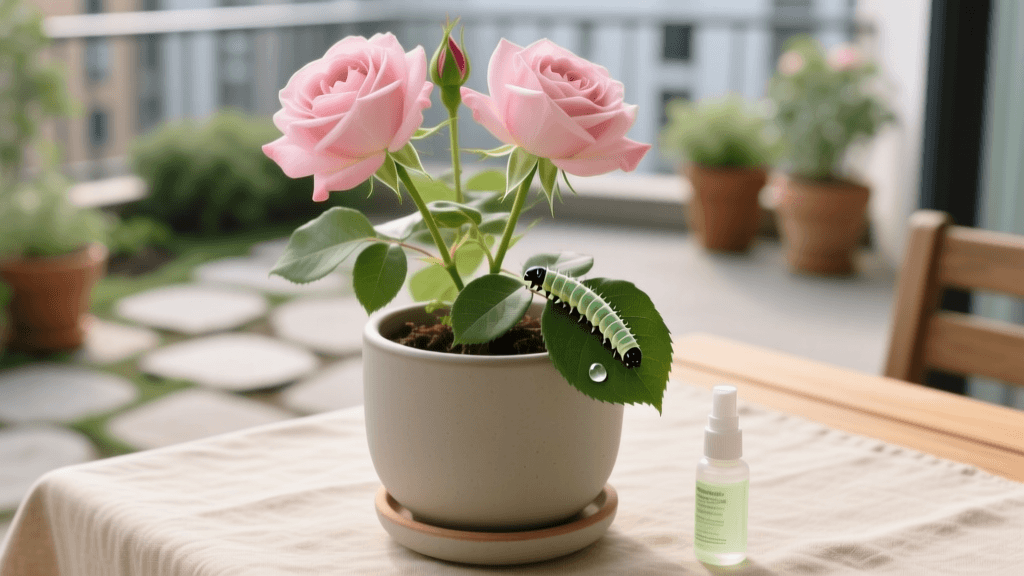
Container Rose Sawflies: Spinosad Treatment in 2026
The Threat of Rose Sawflies in Container Gardens
As container and patio gardening continues to dominate urban landscaping trends in 2026, potted roses remain a staple for balconies, courtyards, and small-space enthusiasts. However, growing roses in confined environments introduces unique pest pressures. Among the most destructive of these are sawfly larvae, commonly referred to as 'roseslugs.' Left unchecked, these voracious pests can completely defoliate a prized patio rose in a matter of days, severely stunting its growth and ruining its seasonal bloom cycle.
Unlike garden beds, container roses have restricted root zones and limited soil volume. This means any stress from defoliation is magnified, as the plant has fewer stored reserves to draw upon for recovery. Understanding how to identify these pests early and treat them effectively with targeted, organic solutions like spinosad is critical for maintaining a thriving container rose garden this year.
Identifying Rose Sawfly Larvae (The 'Rose Slug')
Despite their common name, roseslugs are not actually slugs. They are the larvae of sawflies, which are primitive, non-stinging wasps belonging to the order Hymenoptera. According to the University of Minnesota Extension, these larvae are typically light green, translucent, and measure about one-half inch in length. They often have a slimy, slug-like appearance due to a secretion they produce to deter predators.
Damage Signs on Potted Roses
Sawfly larvae feed primarily on the undersides of rose leaves, scraping away the green tissue and leaving the veins and upper epidermis intact. This feeding behavior creates a distinct 'skeletonized' or windowpane effect on the foliage. In severe infestations on container roses, the leaves will turn brown, curl up, and drop off entirely. Because potted roses are often viewed at eye level on balconies or patio tables, this damage is immediately noticeable and aesthetically devastating.
Why Spinosad is the Gold Standard for 2026
For container gardeners prioritizing organic and environmentally responsible pest control, spinosad has emerged as the premier treatment for sawfly larvae. Spinosad is a natural substance derived from the soil-dwelling bacterium Saccharopolyspora spinosa. The National Pesticide Information Center (NPIC) notes that spinosad acts on the insect's nervous system, causing paralysis and death, but it breaks down quickly in the environment and is generally safe for mammals and most beneficial insects once it has dried.
How Spinosad Works on Sawflies
Spinosad is highly effective against chewing insects like sawfly larvae. It works through both contact and ingestion. When the larvae consume the treated leaf tissue or come into direct contact with the spray residue, their nervous systems are disrupted. Because container roses are isolated from broader garden ecosystems, targeted spinosad applications can eradicate localized sawfly populations without harming the broader urban pollinator network, provided it is applied correctly.
Step-by-Step Spinosad Application for Potted Roses
Applying spinosad to container roses requires a slightly different approach than treating in-ground shrubs. You must account for pot runoff, balcony wind drift, and the confined soil environment.
- Step 1: Isolate and Inspect. Move the infested potted rose away from your healthy plants. Inspect the undersides of all leaves, as this is where the larvae hide and feed.
- Step 2: Mix the Solution. Follow the 2026 manufacturer instructions on your chosen spinosad concentrate. Typically, this involves mixing 2 to 4 tablespoons of concentrate per gallon of water. Use a dedicated pump sprayer for even coverage.
- Step 3: Target the Undersides. Spray the foliage until it is thoroughly wet, paying special attention to the undersides of the leaves where the larvae are actively feeding.
- Step 4: Manage Runoff. In container gardening, excess spray will drip into the potting soil or onto your patio surface. Place a saucer or tarp under the pot during application to catch runoff, preventing the spinosad from accumulating in the confined root zone or staining your deck.
- Step 5: Timing is Everything. Spinosad is highly toxic to bees when wet. Always apply the spray at dusk or in the early evening when urban pollinators are no longer foraging. Once the spray dries on the leaves (usually within 2 to 3 hours), it poses minimal risk to bees.
2026 Spinosad Product Comparison for Container Roses
Choosing the right formulation is essential for small-scale container gardening. Below is a comparison of top-rated, OMRI-listed spinosad products available in 2026, tailored for home patio use.
| Product Name | Active Ingredient % | OMRI Listed? | Est. 2026 Price (16 oz) | Best For |
|---|---|---|---|---|
| Captain Jack's Deadbug Brew Concentrate | 0.5% | Yes | $18.99 | Small balcony setups; easy mixing |
| Monterey Garden Insect Spray | 0.5% | Yes | $22.50 | Multiple patio pots; broader pest control |
| Ferti-lome Spinosad Landscape & Garden Spray | 0.5% | Yes | $19.49 | Budget-conscious container gardeners |
Note: Always verify the OMRI (Organic Materials Review Institute) seal on the physical label, as manufacturers occasionally update formulations.
Preventative Care: Managing Potting Soil to Break the Cycle
Treating the visible larvae is only half the battle. Sawflies have a life cycle that involves the soil, which presents a unique challenge—and opportunity—in container gardening. After feeding for a few weeks, the mature larvae drop from the rose bush into the soil to pupate. In a traditional garden bed, tilling the soil can disrupt this stage. In a container, the pupae are protected within the potting mix.
To break the life cycle, the University of California Statewide IPM Program recommends cultural controls. For potted roses, this means performing a 'top-dressing' in early spring. Carefully scrape off and discard the top 1 to 2 inches of potting soil from your rose containers before new growth emerges. Replace it with fresh, sterile potting mix. This simple mechanical intervention removes overwintering pupae before they can hatch into adult sawflies and lay a new generation of eggs on your spring foliage.
Conclusion
Container rose gardening in 2026 offers incredible rewards, but it requires vigilant pest management. By correctly identifying the skeletonizing damage of rose sawfly larvae and deploying targeted, organic spinosad treatments at dusk, you can protect your potted blooms without harming the local ecosystem. Combine this with proactive spring soil management, and your patio roses will remain lush, healthy, and vibrant all season long.