Gardening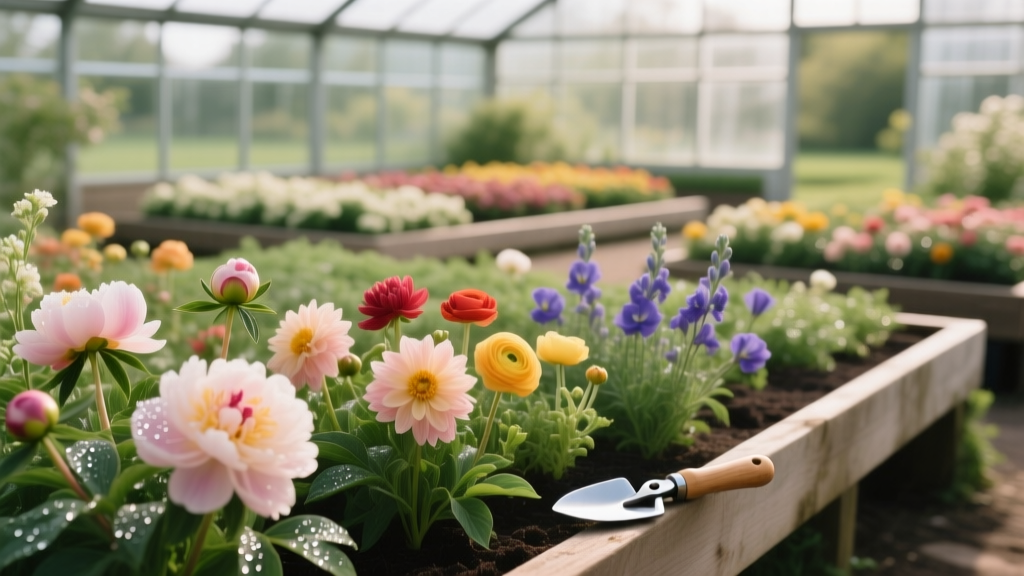
Continuous Bloom Cut Flower Layout & Fertilizer Guide 2026
James MillerPublished
Designing Your 2026 Cut Flower Layout for Continuous Harvest
As we enter the 2026 growing season, the demand for homegrown, premium cut flowers continues to rise. Whether you are supplying local florists, selling at weekend farmers' markets, or simply filling your home with vibrant arrangements, achieving a continuous bloom harvest requires more than just planting seeds. It demands a strategic garden layout paired with a rigorous, science-backed fertilizer schedule. Cut flowers are notoriously heavy feeders. Because you are constantly harvesting their energy stores (the blooms), the soil's nutrient reserves deplete rapidly. Without a targeted feeding regimen and a succession-based layout, your garden will peak in July and fade by August.
To guarantee non-stop color from early spring to the first frost of 2026, we must merge spatial planning with nutritional science. According to the University of Minnesota Extension, successful cut flower production relies heavily on matching the right plant to the right soil nutrition profile and timing your harvests through staggered planting zones.
Zoning by Bloom Time and Feeding Needs
The secret to a continuous harvest is dividing your garden into three distinct layout zones, each with its own fertilizer timeline:
- Zone 1: Cool-Season Annuals (Spring to Early Summer). This zone is dedicated to snapdragons, sweet peas, and bachelor's buttons. These are planted in late winter or early spring and require a nitrogen-heavy early diet to build strong vertical stems before the summer heat triggers blooming.
- Zone 2: Warm-Season Annuals (Mid-Summer to Fall). This is the workhorse zone featuring zinnias, cosmos, and celosia. As noted by The Old Farmer's Almanac, zinnias are prolific producers that require consistent phosphorus to maintain bud formation during the high heat of July and August.
- Zone 3: Tubers and Perennials (Late Summer to Frost). Dahlias and gladiolus dominate this space. They require a slow-release foundation at planting and a heavy potassium boost in late summer to support massive blooms and tuber development for the following year.
By arranging your garden in 4x8-foot raised beds or grid blocks based on these zones, you can apply specific fertilizer formulations to specific areas without overfeeding or underfeeding adjacent crops.
Choosing the Right Fertilizer Types for Cut Flowers
Understanding the N-P-K (Nitrogen-Phosphorus-Potassium) ratio is critical for cut flower growers in 2026. While nitrogen (N) promotes lush, green foliage, too much of it will result in weak, floppy stems and delayed flowering. Phosphorus (P) is the engine of bloom production, and Potassium (K) ensures sturdy stems and disease resistance—both vital for commercial-grade cut flowers.
Organic vs. Synthetic Options in 2026
The 2026 fertilizer market offers exceptional options for both organic and synthetic growers. Organic fertilizers, such as Espoma Organic Flower-tone (3-4-5) or Dr. Earth Premium Gold All Purpose (4-4-4), rely on soil microbes to break down nutrients. This builds long-term soil health and prevents salt buildup, which is crucial for perennial zones. However, organics release nutrients slowly.
For rapid correction or heavy-feeding warm-season annuals, water-soluble synthetic or semi-organic options like Jack's Classic Blossom Booster (15-30-15) or Neptune's Harvest Fish & Seaweed Blend (2-3-1) provide immediate bioavailability. Many top-tier flower farmers in 2026 use a hybrid approach: amending the soil with organic granular fertilizers at planting, and supplementing with liquid organic or synthetic feeds during peak harvest.
The Continuous Bloom Fertilizer Schedule
A continuous bloom layout fails without a continuous feeding schedule. Here is the definitive 2026 timeline for feeding your cut flower zones.
Phase 1: Soil Preparation and Early Growth (Weeks 1-4)
Before a single seed is sown or tuber planted, conduct a 2026 spring soil test. Amend your beds with 2 to 3 inches of high-quality compost. Incorporate a balanced, slow-release organic granular fertilizer (like a 4-4-4) into the top 6 inches of soil. This provides a steady baseline of nutrients. For Zone 1 cool-season crops, apply a liquid kelp or fish emulsion every 10 days to encourage rapid root establishment and early vegetative growth.
Phase 2: Vegetative Growth and Stem Elongation (Weeks 5-8)
As plants establish their root systems and begin pushing upward, stem strength becomes the priority. Shift to a fertilizer with a slightly higher potassium content. If your plants look pale, a foliar spray of liquid calcium and magnesium can prevent blossom end rot and stem splitting, especially in fast-growing snapdragons and zinnias.
Phase 3: Budding and Peak Harvest (Weeks 9+)
Once the first flower buds appear, immediately reduce nitrogen and increase phosphorus. This signals the plant to stop growing leaves and start producing flowers. For Zone 2 and Zone 3, switch to a high-phosphorus liquid fertilizer (such as a 2-8-4 or 15-30-15) applied every 7 to 14 days. According to research from the University of Wisconsin-Madison Extension, dahlias and other late-season heavy feeders require this consistent phosphorus drip to sustain massive blooms through September and October. Continue this schedule until two weeks before your region's first expected frost.
2026 Cut Flower Fertilizer and Layout Matrix
Use the following data table to map your garden layout and corresponding fertilizer requirements for the 2026 season.
| Flower Type | Layout Zone | Primary Fertilizer Need | 2026 Feeding Schedule |
|---|---|---|---|
| Snapdragons | Zone 1 (Cool) | High Nitrogen early, Balanced later | Fish emulsion bi-weekly until buds form; switch to 5-10-5. |
| Sweet Peas | Zone 1 (Cool) | Phosphorus & Potassium | Compost tea at planting; liquid seaweed every 14 days. |
| Zinnias | Zone 2 (Warm) | High Phosphorus | Granular 4-4-4 at planting; liquid 15-30-15 weekly during bloom. |
| Cosmos | Zone 2 (Warm) | Low Nitrogen, Moderate P & K | Minimal feeding; one application of bone meal at mid-season. |
| Dahlias | Zone 3 (Tuber) | High Potassium & Phosphorus | Slow-release at planting; high-K liquid feed every 10 days in Aug/Sept. |
Expert Tips for Maximizing Vase Life and Stem Length
Fertilizer doesn't just affect the quantity of your blooms; it directly dictates the vase life and structural integrity of your cut flowers. Here are three advanced tips for the 2026 season:
- Avoid Late-Season Nitrogen: Applying high-nitrogen fertilizers in late summer will result in soft, succulent stems that wilt rapidly in the vase and are highly susceptible to powdery mildew and aphid infestations.
- Calcium for Cell Walls: If you notice your flower necks bending or snapping easily, your soil may lack bioavailable calcium. Incorporate gypsum or use a liquid calcium-magnesium supplement during the vegetative stage to fortify plant cell walls.
- Mulch to Retain Nutrients: Heavy watering and summer rains can leach expensive fertilizers out of your raised beds. Apply a 2-inch layer of organic straw or shredded leaf mulch around your cut flowers to retain moisture, regulate soil temperature, and slowly add organic matter back into the soil as it breaks down.
By aligning your 2026 cut flower garden layout with a precise, zone-specific fertilizer schedule, you transform a chaotic patch of dirt into a highly efficient, continuous floral production system. Monitor your plants, adjust your feeding based on visual cues and soil tests, and enjoy an unending harvest of premium blooms.
