Pest Control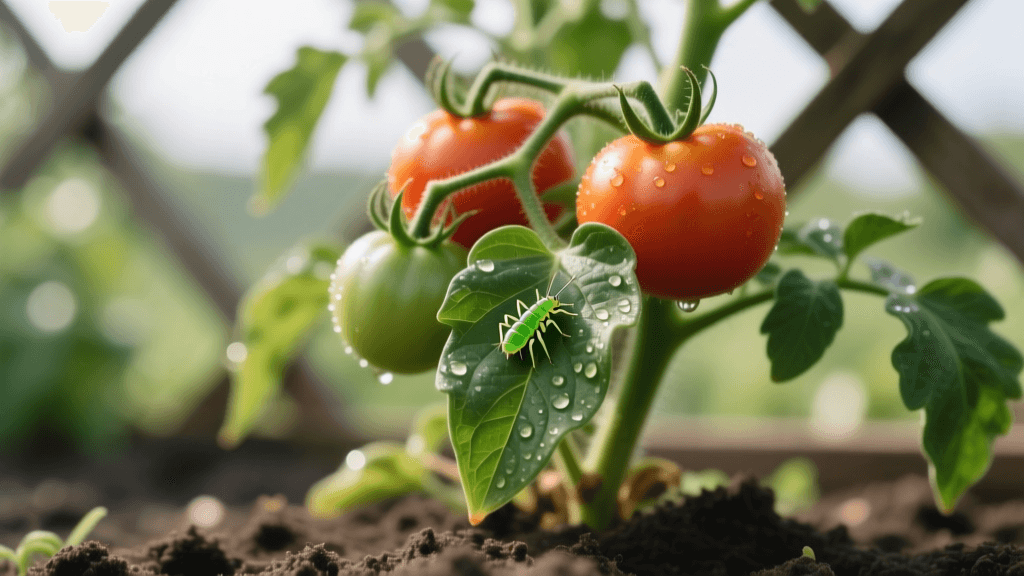
Beginner's Guide to Controlling Aphids on Tomato Plants
The Beginner's Dilemma: Meeting the Aphid
Growing your first tomato plant is a rite of passage for any home gardener. There is nothing quite like the satisfaction of watching a tiny seedling transform into a towering, fruit-bearing vine. However, the journey from transplant to harvest is rarely without obstacles. Among the most common and frustrating hurdles a beginner will face is the sudden appearance of aphids. These tiny, sap-sucking insects can seemingly materialize overnight, colonizing the tender new growth of your prized tomatoes and threatening your entire harvest.
If you are new to gardening, spotting a cluster of tiny green or black bugs on your plant can induce panic. Fortunately, aphids are highly manageable, especially when you catch them early. This beginner-friendly guide will walk you through exactly how to identify aphids, understand the damage they cause, and implement practical, cost-effective, and organic control methods to keep your tomato plants thriving.
How to Identify Aphids on Your Tomatoes
Aphids are minuscule, soft-bodied insects that typically measure between 1/16 and 1/8 of an inch long. While they are most commonly green, they can also be black, red, or yellow, depending on the specific species and their diet. To the untrained eye, they might look like tiny specks of dirt or plant fuzz, but a closer inspection reveals their distinct pear-shaped bodies.
One of the most definitive ways to identify aphids is by looking for their cornicles—two tiny, tailpipe-like structures protruding from their hind end. You will rarely find aphids wandering alone; they are highly social pests that cluster together in dense colonies, usually on the undersides of leaves or on the succulent, newly emerging stems at the top of the tomato plant.
Expert Tip: Always inspect the undersides of your tomato leaves and the tender new growth at the top of the plant. According to the University of Minnesota Extension, aphids prefer the succulent, nitrogen-rich new growth where the plant's sap is most accessible and the tissue is easiest to pierce.
The Ant-Aphid Connection
One of the most fascinating—and frustrating—aspects of an aphid infestation is their symbiotic relationship with ants. As aphids feed on plant sap, they excrete a sticky, sugar-rich waste called honeydew. Ants love honeydew and will actively "farm" aphids, protecting them from natural predators like ladybugs and even carrying them to new, healthy parts of the tomato plant. If you see a trail of ants marching up and down your tomato stem, it is a massive red flag that an aphid colony is likely hiding in the foliage above.
Understanding the Damage: Why Aphids Are Dangerous
While a few aphids will not kill a mature, established tomato plant, an unchecked colony can cause severe stress, especially to young transplants. By piercing the plant's phloem and draining its vital nutrients, aphids cause leaves to curl, yellow, and stunt overall plant growth.
Beyond the direct physical damage, aphids introduce two secondary threats:
- Sooty Mold: The honeydew excreted by aphids coats the leaves and stems, creating the perfect breeding ground for sooty mold. This black, powdery fungus blocks sunlight from reaching the leaf surface, severely inhibiting photosynthesis and weakening the plant.
- Viral Transmission: Aphids are notorious vectors for plant diseases. As they move from plant to plant, they can transmit devastating viral infections, such as the Tomato Yellow Leaf Curl Virus (TYLCV). The North Carolina State University Extension notes that once a plant is infected with a virus transmitted by aphids, there is no cure, and the plant must be destroyed to prevent the spread.
Beginner-Friendly Prevention Strategies
The best pest control is a proactive defense. Incorporating these simple cultural practices into your gardening routine will make your tomato plants far less attractive to aphids.
Proper Spacing and Pruning
Aphids thrive in stagnant, humid environments. When planting your tomatoes, ensure they are spaced at least 24 to 36 inches apart to promote adequate airflow. As the plant grows, prune the lower 6 to 12 inches of foliage. This not only prevents soil-borne diseases from splashing onto the leaves but also removes the "ladder" that crawling pests use to access the upper canopy.
Companion Planting and Trap Crops
Strategic planting can naturally deter aphids or lure them away from your tomatoes. Planting strong-smelling alliums (like garlic and chives) or marigolds near your tomatoes can mask the scent of the tomato plant, confusing foraging aphids. Alternatively, use nasturtiums as a trap crop. Aphids absolutely love nasturtiums and will often abandon your tomatoes to colonize them instead. Once the nasturtiums are heavily infested, you can simply pull them up and compost them.
Avoid Over-Fertilizing
It is tempting to pump your young tomato plants full of high-nitrogen fertilizers to encourage rapid growth. However, the University of California Integrated Pest Management program warns that excessive nitrogen produces an abundance of soft, succulent, dark green tissue that is incredibly attractive to aphids. Stick to a balanced, slow-release organic fertilizer and follow the package measurements strictly.
Organic and Chemical Treatment Options
When prevention fails and an infestation takes hold, it is time to intervene. Below is a comparison chart of the most effective, beginner-friendly treatment methods, ranging from free DIY solutions to targeted organic sprays.
| Treatment Method | Estimated Cost | Application Timing | Effectiveness |
|---|---|---|---|
| Water Spray (Mechanical) | Free | Early morning, twice weekly | Moderate (Physical Knockdown) |
| DIY Insecticidal Soap | $5 - $10 | Evening, every 5-7 days | High (Contact kill) |
| Neem Oil (Cold Pressed) | $12 - $18 | Dusk, every 7-14 days | High (Repellent & Growth Regulator) |
| Spinosad Spray | $15 - $25 | Evening, max 6 times/season | Very High (Ingested & Contact) |
1. The Water Blast Method
For minor, localized infestations, you do not need to buy any products. Simply attach a spray nozzle to your garden hose and use a sharp, targeted stream of water to blast the aphids off the leaves. Aphids are weak crawlers; once knocked to the soil, they are usually unable to climb back up the plant before they die. Do this early in the morning so the foliage has time to dry in the sun, preventing fungal issues.
2. DIY Insecticidal Soap Recipe
Insecticidal soaps work by dissolving the waxy protective cuticle of the aphid's exoskeleton, causing them to dehydrate and die. You can purchase commercial insecticidal soaps, or make a highly effective DIY version at home for pennies.
The Recipe:
- 1 tablespoon of pure liquid castile soap (such as Dr. Bronner's Unscented Baby Mild)
- 1 quart of lukewarm water
- Optional: 1 teaspoon of lightweight vegetable oil (helps the soap adhere to the leaves)
Mix the ingredients gently in a spray bottle to avoid excessive suds. Spray the solution directly onto the aphids, ensuring you thoroughly coat the undersides of the leaves. The soap only works on contact, so you must hit the pests directly. Reapply every 5 to 7 days until the colony is eradicated.
3. Neem Oil Application
Neem oil is a versatile organic extract derived from the seeds of the neem tree. It acts as a repellent, disrupts the aphid's hormonal life cycle, and prevents them from feeding. When using cold-pressed neem oil, mix 1 to 2 tablespoons of neem oil and 1 teaspoon of castile soap (as an emulsifier) into 1 gallon of water. Crucial Warning: Never apply neem oil during the heat of the day or in direct sunlight, as the oil can magnify the sun's rays and severely burn your tomato leaves. Always apply at dusk.
Harnessing Beneficial Insects
Nature has its own pest control workforce, and inviting them into your garden is a hallmark of sustainable Integrated Pest Management (IPM). Ladybugs, green lacewings, and parasitic wasps are voracious aphid predators. A single ladybug can consume up to 50 aphids a day, while parasitic wasps lay their eggs inside the aphids, naturally decimating the population from the inside out.
To attract these beneficial insects, plant a border of nectar-rich flowers around your vegetable garden. Sweet alyssum, yarrow, dill, and fennel provide the pollen and nectar that adult beneficial insects need to survive and reproduce. If you choose to purchase live ladybugs from a garden center, release them at dusk after thoroughly watering the garden. The moisture will give them a drink, and the cooler evening temperatures will discourage them from immediately flying away.
A Weekly Routine for Beginners
Consistency is the secret to successful pest management. Incorporate a quick "pest patrol" into your weekly gardening chores. Every morning, take a cup of coffee and walk through your garden. Flip over a few tomato leaves, check the new growth at the top of the vines, and look for the telltale signs of ants or sticky honeydew. By catching aphids when the colony is still small, you can easily manage them with a simple blast from the hose or a quick spray of soapy water, ensuring your first tomato harvest is as bountiful and delicious as you dreamed.