Pest Control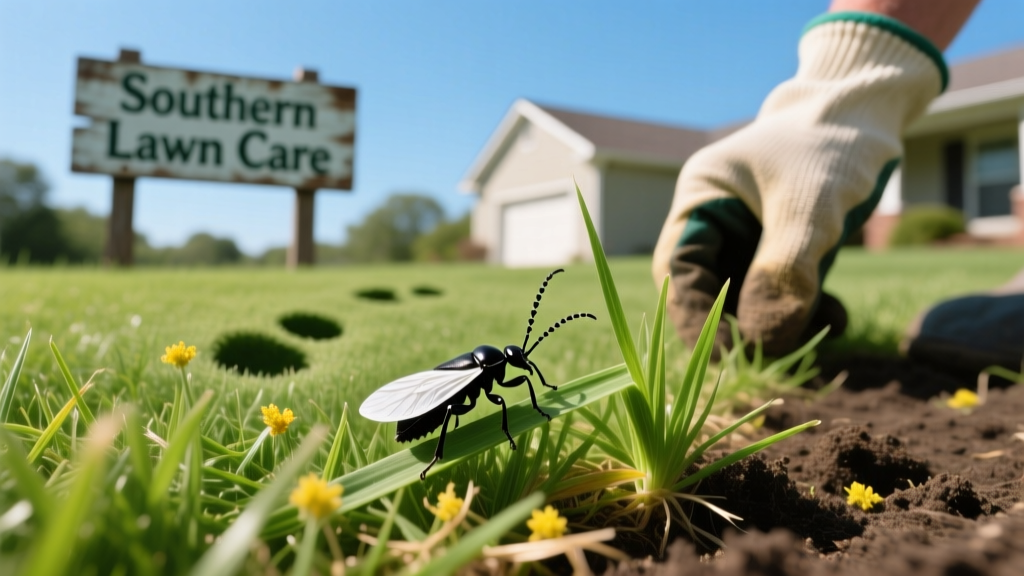
Controlling Chinch Bugs In Southern Warm-Season Lawns
Sarah ChenPublished
Southern lawns, specifically those dominated by St. Augustinegrass, Centipedegrass, and Zoysiagrass, face a relentless adversary during the sweltering summer months: the Southern chinch bug (Blissus insularis). In regions like Florida, Texas, and the broader Gulf Coast, the combination of high heat, sandy soils, and intense sunlight creates the perfect breeding ground for these destructive pests. Unlike northern climates where harsh winters naturally curb pest populations, the mild Southern winters and extended heat waves allow chinch bugs to produce up to seven to ten generations per year. For homeowners and lawn care professionals, understanding the intersection of regional climate patterns and integrated pest management (IPM) is critical to saving warm-season turf from total devastation.
Understanding the Southern Chinch Bug and Climate Impact
The Southern chinch bug thrives in hot, dry, and sunny environments. While they can infest various warm-season grasses, they show a distinct preference for St. Augustinegrass. According to the University of Florida IFAS Extension, these pests use their piercing-sucking mouthparts to extract sap from the base of the grass blades while simultaneously injecting a salivary toxin that blocks the plant's vascular system. This dual-action attack causes the grass to yellow, wilt, and eventually turn brown and die. The damage is heavily exacerbated by the Southern climate's tendency toward sudden summer droughts and high evapotranspiration rates, which stress the turf and make it more susceptible to the toxin.
Identifying Chinch Bug Damage vs. Drought Stress
One of the most common mistakes Southern homeowners make is confusing chinch bug damage with drought stress or fungal diseases like brown patch. Because chinch bugs prefer hot, dry areas, their damage typically begins near heat-radiating surfaces such as concrete driveways, sidewalks, and south-facing brick walls. The grass will first appear stunted and yellowish before rapidly turning a straw-brown color. Furthermore, fungal diseases typically present with distinct lesions on the grass blades and thrive in prolonged moisture, whereas chinch bug damage occurs in the driest, most sun-baked areas of the yard. If you water a suspected drought-stressed patch and it fails to recover within 24 hours, you are almost certainly dealing with a pest or disease issue rather than simple water deprivation.
To confirm an infestation, perform the 'Flotation Method' or 'Tin Can Test'. Remove both ends of a coffee can, push it two inches into the soil at the margin of the damaged and healthy grass, and fill it with water. Wait for five minutes. If chinch bugs are present, they will float to the surface. Finding 20 to 25 bugs per square foot indicates a severe infestation requiring immediate intervention. The Texas A&M AgriLife Extension notes that early detection during the nymph stage is crucial, as nymphs cause the most voracious damage and are highly concentrated before dispersing as winged adults.
Regional Prevention: Cultural Controls for Hot Climates
Effective pest control in the South begins with cultural practices that mitigate environmental stress. Implementing these IPM strategies reduces the need for chemical interventions:
- Mowing Height: Never scalp a Southern lawn. Maintain St. Augustinegrass at 3.5 to 4 inches. Taller grass shades the soil, retaining moisture and lowering the soil temperature, which deters chinch bug egg-laying.
- Irrigation Practices: Water deeply and infrequently. Apply 0.5 to 0.75 inches of water per session to encourage deep root growth. Overwatering creates a humid thatch layer that harbors pests, while underwatering stresses the grass, making it vulnerable to the chinch bug's salivary toxin.
- Thatch Management: Chinch bugs thrive in thick thatch layers, which protect them from predators and harsh weather. Dethatch your lawn in early spring if the thatch layer exceeds 0.5 inches. Core aeration followed by top-dressing with compost helps break down thatch organically.
- Fertilization: Avoid high-nitrogen, quick-release fertilizers during the peak heat of July and August. Excessive nitrogen promotes rapid, succulent leaf growth that is highly attractive to sucking insects. Use slow-release, sulfur-coated urea or organic milorganite at a rate of 1 pound of nitrogen per 1,000 square feet.
Targeted Treatment Strategies: Organic and Chemical
When cultural controls are insufficient, targeted treatments are necessary. However, Southern chinch bugs have developed significant resistance to several classes of insecticides, particularly pyrethroids, due to decades of over-application in states like Florida. Therefore, rotating the Mode of Action (MOA) is mandatory for long-term control.
Biological and Organic Controls: For eco-conscious homeowners or those near sensitive waterways, the entomopathogenic fungus Beauveria bassiana (found in products like BotaniGard) is highly effective. This fungus infects the chinch bug's exoskeleton, killing it within a few days. Additionally, introducing beneficial nematodes (such as Steinernema carpocapsae) to the soil in early spring can help parasitize the soil-dwelling stages of various lawn pests, though their efficacy specifically against chinch bugs is moderate compared to their impact on white grubs. Keeping the lawn ecosystem balanced encourages natural predators like big-eyed bugs and predatory earwigs, which actively hunt chinch bug nymphs. Neem oil can also act as a repellent and growth regulator for early-stage nymphs, though it requires frequent reapplication (every 7-10 days) due to rapid UV degradation in the intense Southern sun.
Chemical Controls: For severe infestations, chemical insecticides remain the most reliable curative option. Products containing Bifenthrin (Talstar P) or Lambda-cyhalothrin (Scimitar GC) provide rapid knockdown. However, to combat resistance, alternate these with products containing Clothianidin (Arena) or Trichlorfon (Dylox). Apply liquid formulations at a rate of 0.5 to 1.0 fluid ounces per 1,000 square feet, using a hose-end sprayer to ensure the product penetrates the thatch layer and reaches the soil surface where the insects reside. Always water in granular formulations with 0.25 inches of irrigation immediately after application to activate the active ingredient.
Treatment Comparison Chart
| Active Ingredient / Product | Type | Mode of Action (IRAC Group) | Est. Cost per 1,000 sq ft | Best Application Timing |
|---|---|---|---|---|
| Bifenthrin (Talstar P) | Chemical (Pyrethroid) | Group 3A | $0.05 - $0.08 | Early Spring / Preventative |
| Clothianidin (Arena .5G) | Chemical (Neonicotinoid) | Group 4A | $0.12 - $0.18 | Late Spring / Early Summer |
| Beauveria bassiana (BotaniGard) | Biological Fungus | N/A (Pathogen) | $0.25 - $0.35 | Active Nymph Stage (Avoid high heat) |
| Carbaryl (Sevin) | Chemical (Carbamate) | Group 1A | $0.08 - $0.12 | Curative / Summer Peak |
Timing Your Applications for the Southern Calendar
Timing is everything in regional pest management. In the Deep South, chinch bugs overwinter as adults in the thatch and emerge when soil temperatures consistently reach 70°F, usually around late March to mid-April. This is the window for preventative applications of systemic insecticides like Clothianidin, which take 2-3 weeks to translocate through the grass roots and provide residual control for up to 90 days.
By July and August, populations peak, and overlapping generations mean you will find eggs, nymphs, and adults simultaneously. During this period, contact insecticides like Carbaryl or Bifenthrin are necessary to knock down the immediate adult population, followed by an Insect Growth Regulator (IGR) like Pyriproxyfen (Distance) to halt the development of eggs and nymphs. According to the Environmental Protection Agency (EPA), combining chemical treatments with rigorous scouting and cultural adjustments embodies the core principles of IPM, ensuring long-term turf health without fostering pesticide-resistant 'superbugs'.
Conclusion
Managing chinch bugs in Southern warm-season lawns requires a proactive, climate-aware approach. By recognizing the environmental triggers that favor these pests, maintaining optimal mowing and watering schedules, and strategically rotating chemical and biological controls, you can protect your St. Augustine and Zoysia lawns from severe damage. Consistent scouting using the tin can method will ensure you catch infestations early, saving you time, money, and the frustration of a ruined summer landscape.