Pest Control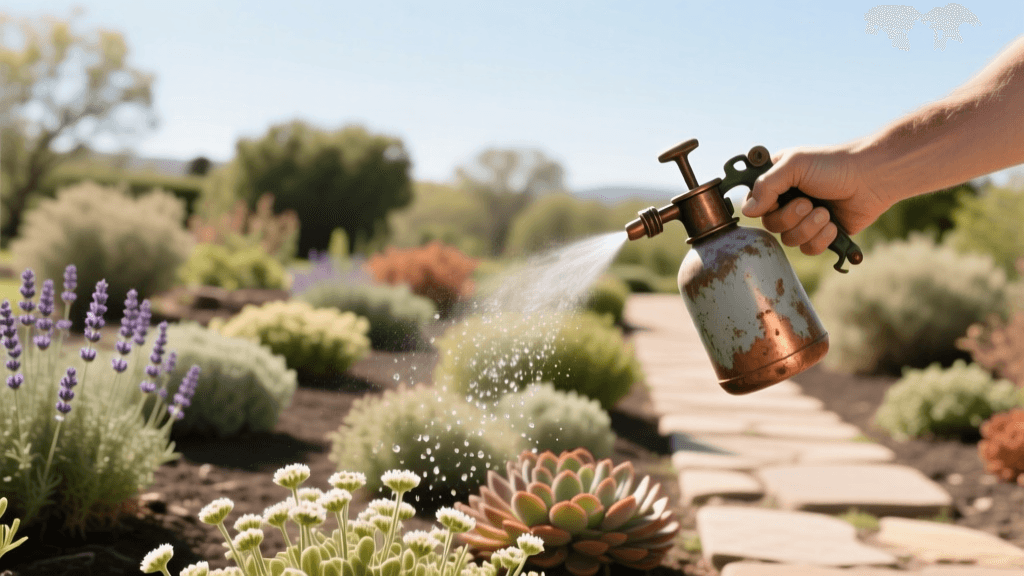
Copper Fungicide Spray Schedule For Powdery Mildew In 2026
The Intersection of Fire-Resistant Landscaping and Fungal Prevention
When homeowners design a fire-resistant landscape, the focus is typically on hardscaping, irrigation, and selecting low-volatility, high-moisture plants. However, an often-overlooked aspect of maintaining a defensible space in 2026 is plant pathology. Powdery mildew is a pervasive fungal disease that compromises the very traits that make your Firewise garden safe. As climate patterns shift, bringing wetter winters followed by dry, humid springs, the pressure from fungal pathogens on drought-tolerant and fire-resistant ornamentals has never been higher.
Fire-resistant plants, such as coastal rosemary, certain sages, photinia, and fruit trees kept in Zone 2 of your defensible space, rely on turgid, moisture-rich foliage to resist ignition. Powdery mildew destroys this cellular integrity. The disease causes premature leaf drop, and the accumulation of dead, dry foliage at the base of your shrubs creates a bed of 'fine fuels.' In wildfire dynamics, fine fuels are the primary carriers of ground fires that eventually reach tree canopies or structures. Therefore, preventing powdery mildew is not just an aesthetic pursuit; it is a critical component of modern wildfire preparedness.
Why Copper Fungicide is the Firewise Standard
Integrated Pest Management (IPM) in a Firewise garden prioritizes treatments that do not introduce flammable solvents or harm the beneficial insects that keep other pest populations in check. Copper-based fungicides remain the gold standard for organic and conventional growers alike. Copper acts as a contact fungicide, disrupting the enzyme systems in fungal spores and preventing them from germinating on the leaf surface.
It is crucial to understand that copper is preventative, not curative. Once the mycelium has penetrated the plant tissue, copper cannot eradicate the infection. This makes a strict, proactive spray schedule essential for maintaining the high-moisture, low-fuel profile of your fire-resistant landscape throughout the 2026 growing season.
The 2026 Copper Fungicide Spray Schedule
To maintain a defensible space free of fine fuels generated by diseased foliage, follow this seasonal application schedule. Timing is based on the phenology of the plant and local weather conditions, rather than strict calendar dates.
1. Late Winter (Dormant Season)
Timing: January to early February, before bud break.
Action: Perform aggressive winter pruning. Remove any crossed branches to open the canopy, which increases airflow and reduces the humid microclimates where mildew thrives. This pruning also eliminates 'ladder fuels' near the ground. Apply a dormant copper spray to the bare branches and the surrounding soil surface to kill overwintering fungal spores (cleistothecia).
2. Early Spring (Bud Break and Leaf Expansion)
Timing: March, just as new green tissue emerges.
Action: Apply the first active-season copper spray. New foliage is highly susceptible to powdery mildew. Ensure complete coverage of both the upper and lower leaf surfaces. This initial barrier is vital for plants like roses and sages, which push rapid, vulnerable growth during spring rains.
3. Mid-Spring to Early Summer (High-Risk Period)
Timing: April through June.
Action: Reapply copper fungicide every 7 to 14 days, depending on rainfall and humidity. If your region experiences unseasonably warm days followed by cool, damp nights—a hallmark of coastal fire zones—stick to the 7-day interval. Rain will wash the copper residue off the leaves, so always reapply after a significant downpour to maintain your protective shield.
4. Late Summer and Fall (Tapering Off)
Timing: August through October.
Action: As temperatures rise and the air becomes drier, powdery mildew pressure typically decreases. However, in regions with late-summer monsoons or coastal fog, continue a 14-day maintenance schedule. Stop applications once the plants begin to harden off for winter or drop their leaves.
Top Copper Fungicides for Firewise Gardens in 2026
Not all copper formulations are created equal. Some are prone to causing phytotoxicity (leaf burn), which can ironically dry out the foliage and increase fire risk if misapplied. Below is a comparison of the top formulations available for residential defensible space maintenance.
| Product Name | Active Ingredient | Best Use Case | Avg. 2026 Price (16 oz) |
|---|---|---|---|
| Bonide Liquid Copper | Copper Octanoate (Soap) | Roses, Sages, and sensitive ornamentals. Low risk of leaf burn. | $14.99 |
| Monterey Liqui-Cop | Copper Ammonia Complex | Fruit trees, Photinia, and tough shrubs. Excellent rainfastness. | $12.50 |
| Kocide 3000 | Copper Hydroxide | Commercial or large-scale perimeter defensible zones. Highly concentrated. | $28.00 (1 lb bag) |
Application Best Practices for Defensible Space
Applying copper fungicide correctly ensures your plants remain healthy, succulent, and fire-resistant without damaging the surrounding ecosystem.
- Avoid Heat Stress Applications: Never apply copper fungicides when temperatures exceed 85°F (29°C). High heat combined with copper can cause severe phytotoxicity, scorching the leaves and turning your fire-resistant plants into dry, combustible kindling.
- Mix with a Surfactant: Many fire-resistant plants, such as rosemary and eucalyptus, have waxy or needle-like leaves that repel water. Adding a non-ionic horticultural surfactant to your tank mix ensures the copper adheres to the foliage rather than rolling off onto the soil.
- Soil Accumulation Awareness: Copper does not break down; it accumulates in the soil. To prevent toxic buildup that harms soil microbiology and beneficial earthworms, target your sprays carefully. Use a shield when spraying near the base of the plant, and rely on mulch (kept away from the trunk) to catch overspray, which can later be removed as part of your annual fire-fuel clearance.
Integrating IPM with Firewise Maintenance
Chemical and organic controls are only one pillar of Integrated Pest Management. To truly protect your landscape from both powdery mildew and wildfire, cultural controls must be integrated into your routine.
According to the University of California Integrated Pest Management program, powdery mildew thrives in crowded, shaded conditions with poor air circulation. By pruning your shrubs to maintain a 6-inch clearance from the ground and ensuring adequate spacing between plants, you naturally disrupt the fungal life cycle. This pruning practice perfectly aligns with the CAL FIRE guidelines for defensible space, which mandate the removal of lower branches to prevent ground fires from climbing into the shrub canopy.
Furthermore, sanitation is paramount. Raking up and removing fallen, mildew-infected leaves from your garden beds eliminates the spore reservoir for the following year. In a Firewise context, this same sanitation effort removes the 'duff' layer and fine dead fuels that allow embers to ignite the base of your plants during a wind-driven fire event.
Conclusion
In 2026, maintaining a fire-resistant landscape requires a holistic approach that bridges the gap between wildfire mitigation and plant pathology. By adhering to a strict copper fungicide spray schedule, you ensure that your carefully selected Firewise plants retain their high moisture content and structural integrity. Preventing powdery mildew stops the creation of fine fuels, keeping your defensible space truly defensible and your home protected against the dual threats of fungal disease and wildfire.