Pest Control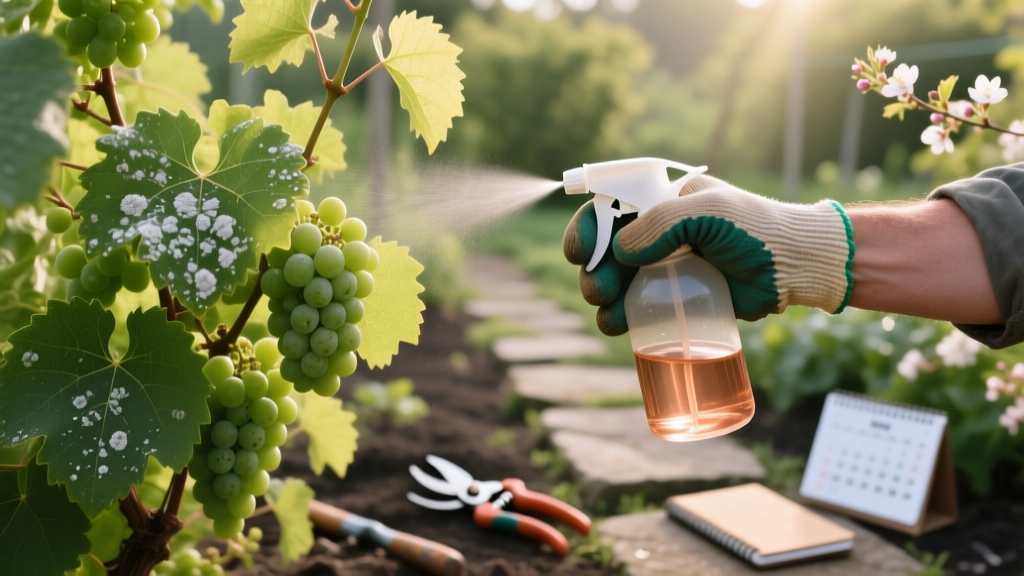
2026 Copper Fungicide Spray Schedule for Powdery Mildew IPM
Robert HayesPublished
Introduction to Powdery Mildew and Bio-Control IPM in 2026
As we navigate the 2026 growing season, Integrated Pest Management (IPM) continues to evolve, placing a heavier emphasis on preserving beneficial insects and maintaining robust bio-control ecosystems. Powdery mildew, caused by various fungal species in the order Erysiphales, remains one of the most pervasive threats to ornamental and edible gardens. While many gardeners immediately reach for synthetic systemic fungicides, these chemicals can inadvertently disrupt the delicate balance of predatory insects and soil microbes. For the eco-conscious gardener, copper fungicide remains a cornerstone of preventive disease management when used judiciously within a bio-control framework.
According to the UC IPM Pest Notes on Powdery Mildew, preventive measures are vastly superior to curative ones once the fungal mycelium has penetrated plant tissues. However, integrating a mineral-based contact fungicide like copper into a garden teeming with ladybugs, lacewings, and predatory mites requires precise timing and an understanding of ecological interactions.
The Indirect Link Between Fungal Disease and Pest Pressure
Why focus on fungal prevention when our goal is to protect beneficial insects? The answer lies in plant physiology. Plants stressed by powdery mildew exhibit altered volatile organic compound (VOC) emissions and weakened cellular structures. These stressed plants become highly attractive to sap-sucking pests like aphids, whiteflies, and spider mites. By preventing powdery mildew, you indirectly reduce the pest pressure that would otherwise overwhelm your beneficial insect populations. A healthy, disease-free plant supports a stable, thriving colony of natural enemies, reducing the need for disruptive insecticidal interventions later in the season.
How Copper Fungicide Interacts with Beneficial Insects
Copper fungicides, such as copper octanoate (copper soap) and Bordeaux mixture, act as contact protectants. They denature fungal proteins and prevent spore germination. Unlike neonicotinoids or broad-spectrum synthetic pesticides, copper does not possess systemic insecticidal properties. Once dried on the leaf surface, it poses minimal risk to hard-bodied beneficial insects like adult lady beetles (Hippodamia convergens) or ground-dwelling predators.
However, wet copper spray can be harmful to soft-bodied beneficial larvae and crucial pollinators like bees. Furthermore, excessive copper runoff can accumulate in the soil, potentially harming earthworms and beneficial soil nematodes that form the foundation of the garden's bio-control food web. Therefore, the 2026 IPM strategy emphasizes minimal effective dosages, targeted application timing, and strategic rotation with biological fungicides to protect the broader ecosystem.
The 2026 Preventive Copper Spray Schedule
To maximize fungal prevention while minimizing ecological disruption, follow this structured copper spray schedule. This timeline is designed for temperate climates and should be adjusted based on your local microclimate and specific plant susceptibility.
| Growth Stage | Calendar Timing (2026) | Copper Formulation | Rate & Frequency | Bio-Control Integration Note |
|---|---|---|---|---|
| Dormant / Bud Break | Early Spring (March) | Bordeaux Mix or Fixed Copper | 1 application, label rate | Safe for overwintering beneficials; apply before predatory mites emerge. |
| Pre-Bloom / Vegetative | Mid-Spring (April-May) | Liquid Copper Octanoate | Every 10-14 days if wet | Avoid spraying during peak bee foraging hours; release lacewings 48 hours post-spray. |
| Early Summer | June | Biological Rotation (No Copper) | N/A | Pause copper; introduce Bacillus subtilis to protect soil microbes and beneficial larvae. |
| Late Summer / Fall | August-September | Liquid Copper Octanoate | Every 14 days if humid | Targeted spot-treatment only; preserve late-season ladybug aggregation sites. |
Detailed Breakdown of the IPM Schedule
Dormant and Bud Break Stage
Applying a heavier Bordeaux mixture during the dormant season or just at bud break clears overwintering fungal spores from bark and bud scales. Because most beneficial insects are either overwintering in protected garden debris or have not yet hatched, this early application has virtually zero negative impact on your bio-control agents.
Pre-Bloom and Vegetative Growth
As foliage expands, switch to a gentler liquid copper octanoate. This formulation is less likely to cause phytotoxicity on tender new leaves. During this stage, pollinators are highly active. Always apply copper sprays at dusk or dawn when bees are not foraging. Once the spray has completely dried (usually within 2-4 hours), it is safe to release delicate bio-control agents like green lacewing larvae (Chrysoperla carnea), which are vital for managing early-season aphid outbreaks.
The Summer Biological Rotation
Continuous copper application throughout the hot summer months can lead to phytotoxicity and soil accumulation. In 2026, advanced IPM protocols strongly recommend a 'copper holiday' during early summer. Instead of copper, utilize biological fungicides containing Bacillus subtilis or Ampelomyces quisqualis. These beneficial microbes colonize the leaf surface, outcompeting powdery mildew spores without harming any insect life. This rotation is critical for maintaining the health of predatory mites (Phytoseiulus persimilis), which are sensitive to heavy mineral dusts and wet sprays.
Best Practices for Application and Environmental Safety
To align with the EPA's Integrated Pest Management Principles, gardeners must prioritize environmental safety and targeted interventions. Here are the golden rules for applying copper in a bio-control garden:
- Use the Minimum Effective Rate: Always mix copper fungicides at the lowest rate specified on the label for prevention. Higher rates do not offer better protection and only increase the risk of leaf burn and soil toxicity.
- Optimize Droplet Size: Use a nozzle that produces a fine mist rather than heavy, dripping droplets. Complete, even coverage is necessary for contact fungicides to work, but excessive runoff wastes product and contaminates the soil habitat of ground beetles and spiders.
- Monitor Weather Conditions: Copper is most effective when it dries quickly. Avoid spraying if rain is forecasted within 12 hours, or if humidity is so high that the leaves will remain wet overnight, which can exacerbate certain bacterial issues and harm beneficial insect eggs.
- Protect Aquatic Ecosystems: Copper is highly toxic to fish and aquatic invertebrates. Never spray near ponds, streams, or birdbaths, and ensure that runoff is directed away from water features.
Supporting the Broader Bio-Control Ecosystem
Integrating copper fungicide into your garden is just one piece of the IPM puzzle. To truly leverage the power of bio-control, you must provide habitat for the natural enemies that keep secondary pests in check. Planting insectary strips with alyssum, yarrow, and dill provides nectar and pollen for adult parasitic wasps and hoverflies. By keeping your plants free of powdery mildew through a careful, scheduled use of copper and biological rotations, you ensure that these beneficial insects have a healthy, robust environment in which to thrive.
Conclusion
Powdery mildew doesn't have to derail your organic garden or force you into using harmful synthetic chemicals. By adhering to this 2026 copper fungicide spray schedule, you can effectively shield your plants from fungal pathogens while fiercely protecting the beneficial insects that form the backbone of a sustainable, bio-controlled garden ecosystem. Precision, timing, and biological rotation are your best tools for a vibrant, pest-resilient landscape this year.