Pest Control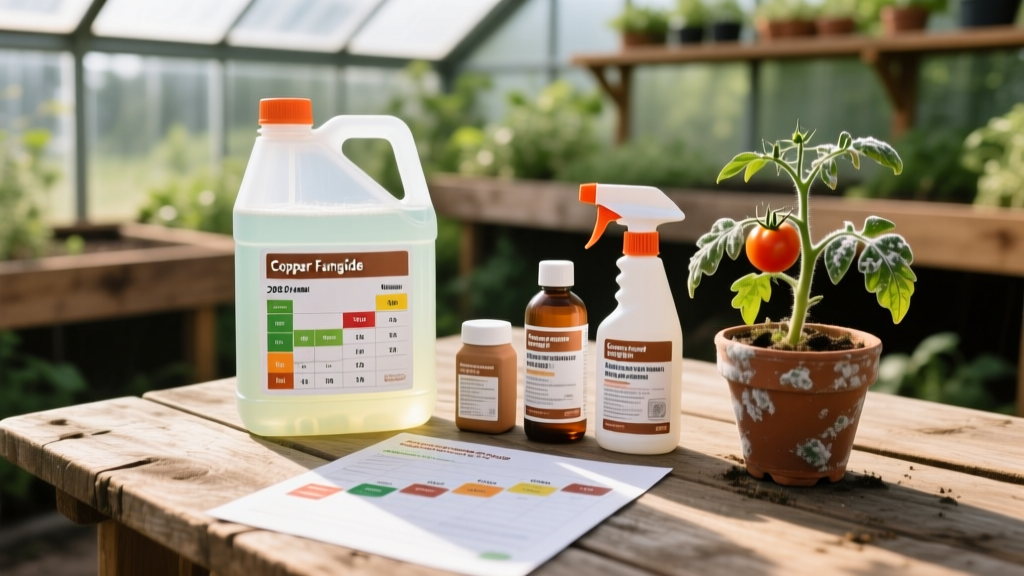
2026 Copper Fungicide Schedule: Prevent Powdery Mildew in Pots
Anna KowalskiPublished
The Unique Microclimate of Container Gardens
Container and pot gardening has evolved significantly by 2026, with urban balcony setups, high-density patio arrangements, and indoor-outdoor transitional zones becoming the norm. While growing in pots offers unparalleled control over soil quality and drainage, it also creates unique microclimates that are highly susceptible to fungal diseases. Powdery mildew—characterized by its telltale white, dusty spots on foliage—is one of the most persistent adversaries for container gardeners. Unlike soil-borne pathogens, powdery mildew spores are windborne and thrive in the stagnant air pockets created when pots are clustered tightly together on decks or against walls.
According to the University of California Statewide Integrated Pest Management Program, powdery mildew spores do not require free water to germinate, but they do require high relative humidity (typically above 90%) combined with moderate temperatures between 60°F and 80°F. Potted plants placed near exterior walls or crowded on balcony railings perfectly replicate these conditions. Once established, the fungus drains the plant's vigor, stunts new growth, and ruins the aesthetic appeal of your ornamental and edible containers. To combat this, a proactive copper fungicide spray schedule is your most reliable line of defense.
How Copper Fungicide Stops Powdery Mildew
Copper fungicides are a cornerstone of organic and integrated pest management (IPM) strategies. When applied to foliage, copper-based sprays leave a microscopic protective film. As powdery mildew spores land on the treated leaves and attempt to germinate, the copper ions denature the proteins and enzymes within the fungal cells, effectively killing the spores before they can penetrate the plant tissue.
It is critical to understand that copper is a preventative treatment, not a curative one. As experts at Penn State Extension note, copper-based protectants must be applied before the disease takes hold or at the very first sign of environmental conditions favoring an outbreak. Once the mycelium network has deeply infiltrated the leaf cells, copper sprays will only prevent further spread, but they will not erase the existing white patches. Therefore, timing and consistency are everything.
The 2026 Copper Spray Schedule for Potted Plants
Because container plants are isolated from the natural soil microbiome and rely entirely on the gardener for care, your spray schedule must be meticulous. In 2026, modern liquid copper formulations feature improved suspension agents that resist washing off during light rains, allowing for slightly more flexible reapplication windows. However, a standard 7-to-14-day cycle remains the gold standard.
Table 1: Seasonal Copper Fungicide Schedule for Containers
| Growth Stage / Season | Timing & Triggers | Application Frequency | Mixing Ratio (Standard) |
|---|---|---|---|
| Early Spring (Seedlings/Transplants) | Apply when true leaves emerge and nighttime temps stay above 55°F. | Every 10–14 days | 1 to 1.5 tbsp per gallon |
| Late Spring (Rapid Vegetative Growth) | Canopy fills in, reducing airflow. Apply before seasonal spring rains. | Every 10 days | 2 tbsp per gallon |
| Summer (High Heat & Humidity) | Peak mildew season. Increase frequency if humidity exceeds 85%. | Every 7 days | 2 tbsp per gallon |
| Early Fall (Overwintering Prep) | Before bringing tender perennials indoors or into greenhouses. | Single thorough application | 2.5 tbsp per gallon |
Top Copper Fungicides for Container Use in 2026
When selecting a copper fungicide for potted plants, you must consider the Metallic Copper Equivalent (MCE). Higher MCE means more active copper, which provides longer-lasting protection but increases the risk of phytotoxicity (leaf burn), especially on tender container varieties like begonias or young squash. In 2026, the market favors copper octanoate and copper ammonia diacetate formulations for their safety profiles and ease of mixing in small-batch pump sprayers.
Table 2: Recommended Copper Products for Pot Gardening
| Brand & Product | Active Ingredient | Best Use Case | Est. 2026 Price (16 oz) |
|---|---|---|---|
| Bonide Liquid Copper Fungicide | Copper Octanoate (1.8% MCE) | Tender ornamentals, indoor/outdoor transition plants, herbs. | $14.00 - $16.00 |
| Southern Ag Liquid Copper | Copper Ammonia Diacetate | Hardy patio shrubs, potted roses, citrus trees. | $12.00 - $15.00 |
| Monterey Liqui-Cop | Copper Ammonia Diacetate | Large vegetable containers (tomatoes, cucumbers, squash). | $15.00 - $18.00 |
Crucial Application Rules for Pots: Preventing Soil Toxicity
The most significant difference between treating in-ground gardens and container gardens is soil volume. In a traditional garden bed, copper that washes off the leaves into the soil is slowly diluted and bound by organic matter. In a 5-gallon or 10-gallon pot, the soil volume is strictly limited. Copper does not break down; it is a heavy metal that accumulates over time. Excessive copper in potting soil leads to severe root toxicity, manifesting as stunted growth, thickened roots, and iron chlorosis (yellowing leaves with green veins).
To safely use copper fungicides on potted plants in 2026, follow these strict application protocols:
- Avoid Soil Drenching: Never use copper as a soil drench for powdery mildew. It is strictly a foliar spray.
- Shield the Potting Mix: When spraying small containers, place a plastic saucer, a piece of cardboard, or a reusable silicone pot cover over the soil surface to catch overspray and runoff.
- Target the Foliage: Use a fine-mist pump sprayer to coat the upper and especially the lower surfaces of the leaves. Powdery mildew often begins on the underside of the canopy where humidity is trapped.
- Water Management: Bottom-water your potted plants using saucers or drip irrigation during the weeks you are applying copper. Avoid overhead watering, which will wash the protective copper film off the leaves and deposit it directly into the confined root zone.
Integrating Copper into a Broader IPM Strategy
While copper is highly effective, relying on a single chemical control violates the core principles of Integrated Pest Management (IPM). As highlighted by the University of Minnesota Extension, cultural controls and environmental modifications should always be your first line of defense. Combine your copper spray schedule with the following container-specific IPM tactics:
1. Strategic Spacing and Airflow
Resist the urge to overpopulate your patio. In 2026, vertical gardening and tiered plant stands are highly recommended to stagger pot heights. This prevents the lower leaves of one plant from resting against the damp foliage of another, disrupting the stagnant air pockets where mildew thrives.
2. Rotating with Potassium Bicarbonate
To prevent copper buildup and manage resistance, rotate your copper applications with potassium bicarbonate sprays. Potassium bicarbonate alters the pH of the leaf surface, creating an alkaline environment that actively destroys existing mildew spores. Use copper as your preventative shield, and if you spot an outbreak, hit it with potassium bicarbonate, waiting at least 5 days before reapplying copper.
3. Sanitation of Dormant Pots
When a container plant finishes its season or shows severe, unmanageable mildew, do not compost the foliage. Cut the plant back, discard the infected material in the municipal trash, and wipe down the exterior of the pot with a 10% bleach solution or hydrogen peroxide before replanting. This ensures you are not introducing dormant fungal bodies into your fresh 2026 potting mix.
Conclusion
Mastering the copper fungicide spray schedule for your container garden requires a balance of proactive timing and environmental awareness. By understanding the unique microclimates of potted plants, selecting the right MCE formulation, and fiercely protecting your limited soil volume from heavy metal accumulation, you can enjoy lush, disease-free containers all season long. Stick to the schedule, rotate your IPM methods, and let your patio garden thrive in 2026.