
Landscaping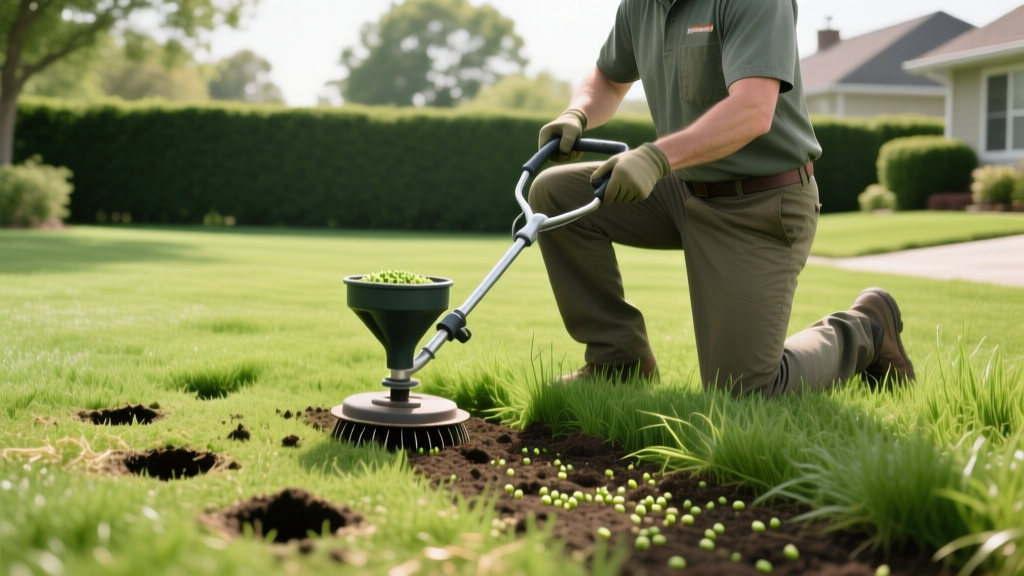
Core Aeration and Overseeding Guide for Thick Lawns
Robert HayesPublished
The Synergy of Core Aeration and Overseeding
Achieving a dense, carpet-like lawn is the ultimate goal for any landscaping enthusiast or homeowner. However, over time, soil becomes compacted due to foot traffic, heavy mowing equipment, and natural settling. This compaction chokes grass roots, preventing the essential flow of oxygen, water, and nutrients. When you combine core aeration with overseeding, you create the ultimate environment for turfgrass renewal. According to the University of Minnesota Extension, core aeration physically removes small plugs of soil, alleviating compaction and allowing the root zone to breathe. When paired with overseeding, those empty aeration holes become perfect, protected micro-environments for new grass seed to germinate and establish deep root systems.
Core Aeration vs. Spike Aeration: Which is Better?
Before renting equipment, it is vital to understand the difference between core aeration and spike aeration. While spike aerators simply punch holes into the ground, they can actually worsen soil compaction by compressing the soil laterally around the hole. Core aerators, on the other hand, extract actual plugs of soil.
| Feature | Core Aeration | Spike Aeration |
|---|---|---|
| Mechanism | Extracts 2-3 inch soil plugs | Punches solid holes into soil |
| Effect on Compaction | Relieves and reduces compaction | Can increase lateral compaction |
| Seed-to-Soil Contact | Excellent (seeds fall into cores) | Poor (holes often collapse) |
| Best Use Case | Overseeding and heavy clay soils | Light maintenance on sandy soils |
Optimal Timing for Your Grass Type
Timing is the most critical variable in the success of your aeration and overseeding project. You must align your efforts with the natural growth cycles of your specific turfgrass.
Cool-Season Grasses
For grasses like Kentucky Bluegrass, Tall Fescue, and Perennial Ryegrass, early fall (late August to mid-October) is the absolute best time to aerate and overseed. Soil temperatures are still warm enough to encourage rapid seed germination, while cooler air temperatures reduce heat stress on young seedlings. Furthermore, fall weed competition is significantly lower than in the spring.
Warm-Season Grasses
For Bermudagrass, Zoysia, and Centipedegrass, late spring to early summer (May through June) is ideal. These grasses thrive in heat and will aggressively fill in bare spots during the peak of the summer growing season. As noted by the University of California Agriculture and Natural Resources, aligning cultural practices with the active growth phase of warm-season turf is critical for rapid recovery and establishment.
Step-by-Step Aeration and Overseeding Technique
Follow this professional-grade workflow to maximize your lawn's thickness and health.
Step 1: Lawn Preparation
Mow your lawn slightly shorter than your normal maintenance height (about 1.5 to 2 inches). This reduces the barrier for new seeds to reach the soil and allows the aeration tines to penetrate more effectively. Rake the lawn thoroughly to remove excess thatch and debris. Approximately 24 hours before aerating, water your lawn deeply. The soil should be moist, but not muddy. If the soil is too dry, the aerator tines will not penetrate; if it is too wet, the machine will clog and tear the turf.
Step 2: Core Aeration Execution
Rent a walk-behind core aerator (such as a Ryan Lawnaire IV or a similar Classen model) from your local equipment rental center. Run the aerator over your lawn in two distinct directions: first in a north-south pattern, and then in an east-west pattern. This double-pass ensures you extract enough plugs to create optimal seed-to-soil contact. Aim for 15 to 20 aeration holes per square foot. Leave the extracted soil plugs on the lawn; they will break down naturally over the next few weeks and return valuable microorganisms to the surface.
Step 3: Overseeding the Lawn
Select a high-quality, weed-free seed blend suited to your region. For cool-season lawns, a mix of Turf-Type Tall Fescue and Kentucky Bluegrass offers excellent drought tolerance and disease resistance. According to guidelines from the University of Minnesota Extension, the standard overseeding rate is 3 to 5 pounds of seed per 1,000 square feet. Use a calibrated drop spreader, like the Lesco High Wheel Fertilizer Spreader, to ensure precise, even distribution. Drop spreaders prevent seed from blowing into garden beds or onto hardscaping.
Step 4: Topdressing and Starter Fertilizer
After seeding, apply a thin layer of compost or peat moss (about 1/8 to 1/4 inch thick) over the lawn. This topdressing retains moisture and protects the seeds from birds and wind. Immediately follow this with an application of a high-quality starter fertilizer. Look for an N-P-K ratio where the middle number (Phosphorus) is prominent, such as Scotts Turf Builder Starter Food for New Grass (24-25-4). Phosphorus is vital for stimulating rapid root development in new seedlings.
Step 5: The Critical Watering Schedule
Watering can make or break your overseeding efforts. New grass seed must remain consistently moist until it germinates and establishes roots.
- Days 1-14 (Germination Phase): Water lightly 2 to 3 times per day for about 5-10 minutes each session. The goal is to keep the top 1/2 inch of soil moist, not saturated.
- Days 15-21 (Seedling Phase): Once the grass reaches about 1 inch tall, reduce watering to once a day, but increase the duration to encourage deeper root growth.
- Day 22 and Beyond (Establishment Phase): Transition back to your standard deep and infrequent watering schedule (about 1 to 1.5 inches of water per week, applied in 1 or 2 sessions).
Pro Landscaper Tip: Do not use a pre-emergent herbicide (crabgrass preventer) in the spring or fall if you plan to overseed. Pre-emergents create a chemical barrier in the soil that stops all seeds from germinating, including your expensive turfgrass seed. Wait until the new grass has been mowed at least three times before applying any broadleaf weed control.
Cost Breakdown and Equipment Planning
Budgeting for a DIY aeration and overseeding project is highly cost-effective compared to hiring a professional landscaping crew. Below is an estimated cost breakdown for an average 5,000 square foot lawn.
| Item / Service | Estimated Cost | Notes |
|---|---|---|
| Core Aerator Rental (4 hours) | $60 - $90 | Requires a truck or trailer for transport |
| Premium Grass Seed (20 lbs) | $80 - $120 | Jonathan Green Black Beauty or similar |
| Starter Fertilizer | $30 - $45 | Covers up to 5,000 sq ft |
| Compost / Topdressing | $40 - $60 | 1/2 cubic yard bulk or bagged equivalent |
| Total DIY Cost | $210 - $315 | Professional services typically charge $400-$700+ |
Post-Germination Mowing and Maintenance
Patience is required when it comes to the first mow. Wait until the new grass reaches roughly 3.5 to 4 inches in height before mowing. Ensure your mower blades are freshly sharpened; dull blades will tear tender young grass out of the soil by the roots. Never remove more than the top 1/3 of the grass blade during a single mowing session. By maintaining a taller mowing height (around 3 inches) throughout the fall and into the next summer, you will shade the soil, retain moisture, and naturally suppress weed seed germination.
Conclusion
Core aeration and overseeding are not merely quick fixes; they are foundational landscaping practices that rebuild the soil ecosystem and introduce vigorous, modern turfgrass genetics to your yard. By carefully timing your project, utilizing the correct core aeration equipment, selecting premium seed, and adhering to a strict watering regimen, you can transform a thin, weedy, and compacted lawn into a lush, resilient landscape that enhances your property's curb appeal for years to come.

