Gardening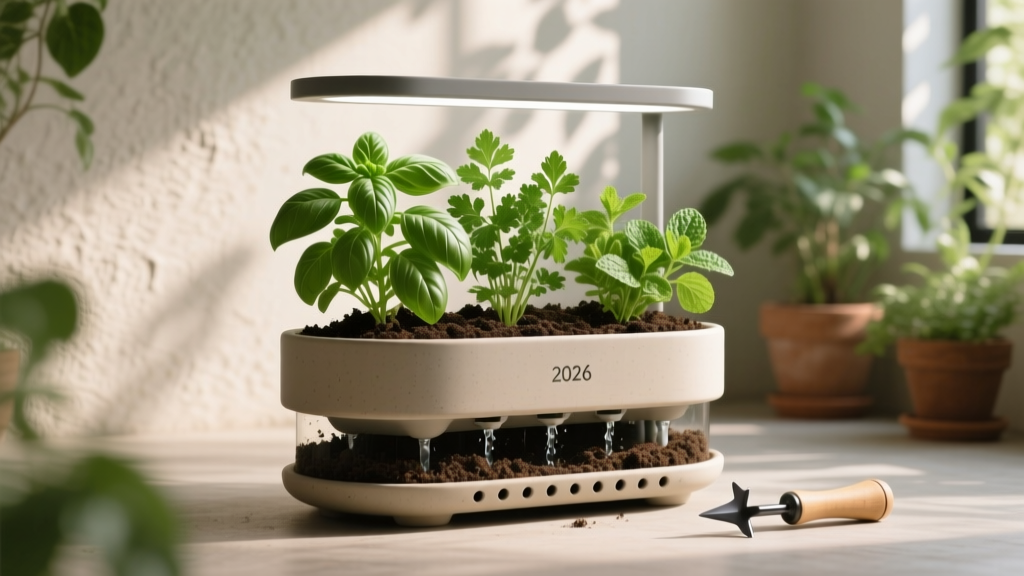
2026 Guide: Core Aeration for Self-Watering Herb Planters
James MillerPublished
Why Self-Watering Herb Planters Need Core Aeration in 2026
When most gardeners think of core aeration, they picture heavy machinery pulling plugs of soil from a sprawling suburban lawn. However, as we move through the 2026 gardening season, professional horticulturists are increasingly applying this exact turf-management principle to container gardening—specifically for self-watering herb planters. While self-watering containers are fantastic for maintaining consistent moisture, they harbor a hidden flaw: severe sub-surface soil compaction and anaerobic dead zones. By adapting core aeration techniques for your container herb garden self-watering planter setup, you can unlock explosive root growth and prevent the dreaded root rot that plagues sub-irrigated containers.
In traditional lawn care, core aeration relieves compaction, breaks up thatch, and creates physical channels for oxygen, water, and nutrients to reach the root zone. In a self-watering planter, the constant upward wicking of moisture from the bottom reservoir causes fine soil particles to migrate downward and pack tightly together. Over a single growing season, the bottom three inches of your planter can become a dense, oxygen-starved mud layer. For deep-taproot herbs like parsley, cilantro, and dill, this anaerobic environment is fatal. Applying core aeration concepts to your container setup solves this problem permanently.
The Science of Root-Zone Oxygenation in Containers
According to soil science research highlighted by the University of Minnesota Extension, the ideal container potting mix requires a delicate balance of water-holding capacity and air-filled porosity. In a standard top-watered pot, gravity and the wet-dry cycle naturally pull air into the soil matrix. In a self-watering planter, the capillary action from the reservoir keeps the lower soil profile perpetually saturated, displacing vital oxygen.
By integrating "Static Aeration Cores" during your initial setup, and performing "Micro-Core Extraction" during monthly maintenance, you mimic the biological and physical benefits of lawn aeration. These techniques ensure that the root zone remains friable, heavily oxygenated, and biologically active, supporting the robust mycorrhizal fungal networks that culinary herbs rely on for nutrient uptake.
Step-by-Step: Building an Aerated Self-Watering Herb Planter
Setting up your container herb garden self-watering planter with core aeration in mind requires a strategic approach to materials and soil layering. Here is how to build the ultimate oxygen-rich herb system for 2026.
Step 1: Selecting the Right Planter and Reservoir Base
Choose a high-quality self-watering planter with a rigid sub-irrigation platform rather than a simple wicking rope. Models like the 2026 Lechuza Classico or the heavy-duty EarthBox Original provide a solid false bottom that separates the soil from the water reservoir. This physical barrier is essential because it allows us to build our aeration cores directly on top of the platform without them sinking into the water basin.
Step 2: Installing Static Aeration Cores
This is where the lawn care magic happens. Instead of waiting for soil to compact and then pulling plugs, we are going to install permanent, highly porous vertical columns—our "aeration cores."
- Materials Needed: 1-inch diameter porous clay tubes (often sold as olla irrigation tubes or aquarium aeration stones), or rigid PVC pipes drilled with 1/4-inch holes and wrapped in landscape fabric.
- Placement: Stand these tubes vertically on the sub-irrigation platform. Space them every 6 inches across the planter.
- Filling the Cores: Fill the inside of these tubes with expanded shale, pumice, or LECA (Lightweight Expanded Clay Aggregate). This creates a permanent, indestructible channel that pulls oxygen from the topsoil surface straight down to the reservoir barrier, perfectly mimicking the oxygen channels left behind by a lawn aerator's tines.
Step 3: Mixing the 2026 Biochar-Enhanced Aerated Soil
To complement your physical aeration cores, your soil mix must resist compaction. The Old Farmer's Almanac consistently recommends avoiding heavy garden loam in containers. For 2026, the gold standard for self-watering herb planters is a peat-free, biochar-heavy mix.
The 2026 Core-Aeration Soil Recipe:
- 40% High-Quality Coconut Coir (for moisture retention without the compaction of peat moss)
- 30% Coarse Perlite or Pumice (for structural aeration)
- 20% Worm Castings (for slow-release biological nutrients)
- 10% Horticultural Biochar (inoculated with compost tea)
Biochar is essentially microscopic core aeration; its highly porous structure provides permanent micro-cavities for air and water, ensuring the soil matrix never collapses under the weight of constant wicking moisture. Fill the planter around your vertical static aeration cores, tamping down only very lightly to preserve the air pockets.
Monthly Maintenance: Micro-Core Extraction
Even with the best soil mix, organic matter breaks down over the summer, and watering causes gradual settling. To maintain your container herb garden, you must perform "Micro-Core Extraction" every four weeks.
Using a wide soil dibber, a specialized bulb planter, or a 1/2-inch soil probe, push the tool 4 inches deep into the soil between your herb plants and pull out a physical "plug" or core of soil. Do this 3 to 4 times per square foot of planter space. Just like aerating a lawn, this physically removes compacted material and opens the soil to the air.
Pro Tip: Do not discard the extracted soil plugs! Break them apart, mix them with fresh worm castings and a pinch of granular organic fertilizer, and use this enriched mixture to "top-dress" and fill the holes you just cored. This mimics the lawn care practice of breaking down aeration cores on the turf surface to introduce microbes back into the soil profile.
Herb Species Aeration & Moisture Chart
Not all herbs respond to self-watering and aeration identically. When planning your 2026 container layout, use this chart to match the herb's root profile to its aeration requirements.
| Herb Variety | Root Profile | Aeration Need | Self-Watering Placement Strategy |
|---|---|---|---|
| Basil (Genovese) | Fibrous, Shallow | Moderate | Plant away from direct aeration cores; prefers consistent capillary moisture. |
| Parsley (Curly/Flat) | Deep Taproot | High | Plant directly adjacent to vertical aeration cores to prevent taproot suffocation. |
| Rosemary | Woody, Deep | Very High | Requires maximum biochar; consider elevating on a mound above the wicking zone. |
| Cilantro | Delicate Taproot | High | Needs cool, oxygen-rich lower soil; micro-core monthly to prevent bolting from stress. |
| Mint | Aggressive Rhizomes | Low | Will quickly colonize aeration cores; plant in a separate isolated self-watering bin. |
Managing the Reservoir and Flushing Salts
A secondary benefit of the core aeration setup is the ability to flush the soil profile. In self-watering containers, mineral salts from fertilizers can build up at the soil line or near the wicking barrier, causing tip-burn on sensitive herbs like cilantro and chives. Because you have installed vertical aeration cores, you can pour distilled water or a weak compost tea directly into the tops of the LECA-filled tubes. This bypasses the topsoil and flushes the lower root zone directly, pushing excess salts out through the reservoir's overflow drain. Experts at Gardeners' Supply Company note that regular flushing is the secret to multi-year container soil viability, and aeration cores make this process incredibly efficient.
Final Thoughts on the 2026 Aerated Container Setup
Treating your container herb garden with the same respect for soil physics as a professional turf manager is the ultimate cheat code for the 2026 gardening season. By combining a high-quality self-watering planter with physical static aeration cores, a biochar-enriched soil matrix, and a routine of micro-core extraction, you eliminate the primary failure points of sub-irrigated containers. Your herbs will develop deeper, healthier root systems, resist fungal diseases, and produce significantly more foliage for your kitchen. Stop fighting soil compaction and start aerating your containers for a thriving, oxygen-rich harvest.
