Gardening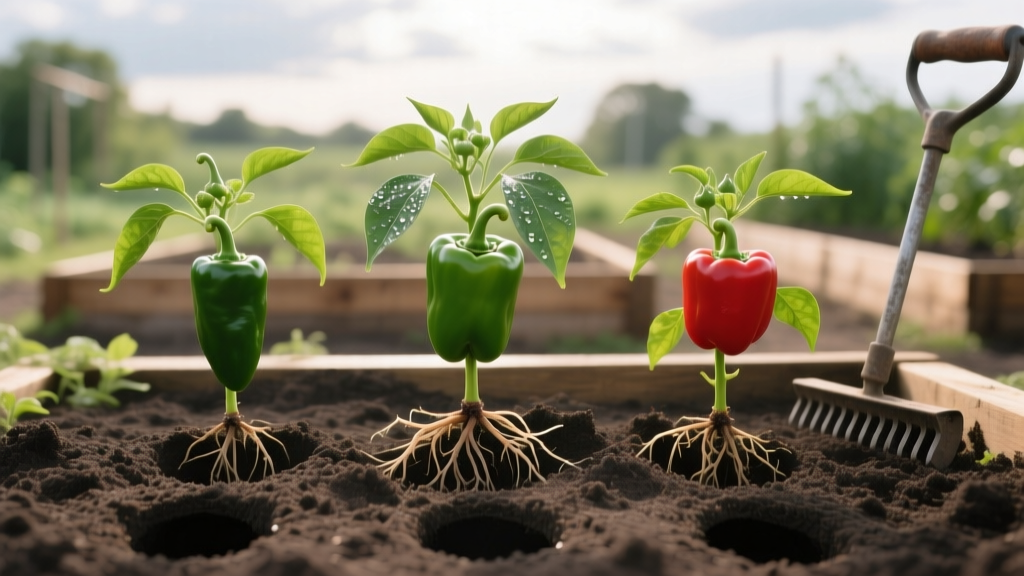
2026 Pepper Guide: Core Aeration for Bell, Jalapeño & Habanero
Robert HayesPublished
Why Core Aeration is the Secret to 2026 Pepper Harvests
As home gardeners look toward the 2026 growing season, the focus is shifting from simple fertilization to advanced soil mechanics. While core aeration is traditionally associated with lush turfgrass management, its principles are increasingly being adopted by serious vegetable gardeners to combat soil compaction in garden beds. Peppers, in particular, are highly susceptible to the detrimental effects of compacted earth. When soil particles are pressed too closely together, pore space is reduced, limiting the oxygen and water infiltration that pepper roots desperately need. According to the University of Minnesota Extension, soil compaction restricts root growth and reduces the plant's ability to uptake essential nutrients, directly leading to stunted growth and poor fruit set.
By utilizing core aeration techniques—physically removing small plugs of soil from your garden beds before planting—you can dramatically alter the soil architecture. This process creates channels for air, water, and liquid fertilizers to reach the deep root zones of your pepper plants. Whether you are cultivating mild bell peppers, versatile jalapeños, or fiery habaneros, understanding how to leverage core aeration will give your 2026 garden a distinct advantage.
Jalapeño vs. Bell Pepper vs. Habanero: Root Systems and Soil Needs
Not all peppers interact with the soil profile in the exact same way. While they all belong to the Capsicum genus, their root architectures, moisture requirements, and aeration dependencies vary significantly. The UF/IFAS Gardening Solutions department notes that peppers generally require well-drained, loamy soil with a pH between 6.0 and 6.8, but the degree to which they tolerate heavy, unaerated clay differs by variety.
Bell Peppers: The Heavy Feeders with Shallow Roots
Bell peppers (Capsicum annuum) are notorious for being heavy feeders with relatively shallow, fibrous root systems. Because their roots tend to concentrate in the top 12 to 18 inches of the soil profile, they are the most vulnerable to surface compaction and crust formation. If the topsoil is compacted, bell peppers will suffer from rapid moisture stress and blossom end rot. Core aerating the top layer and backfilling the holes with nutrient-dense compost in early spring 2026 ensures that the shallow roots have immediate access to calcium and consistent moisture.
Jalapeños: The Resilient Mid-Range Cultivar
Jalapeños are generally more forgiving than their bell pepper cousins, but they still demand excellent drainage to prevent root rot. Their root systems can push slightly deeper, often reaching down to 24 inches in loose soil. However, in heavy clay soils, jalapeño roots will hit a hardpan layer and begin to circle, leading to a weak anchor and reduced yields. Using a manual core aerator to break through this hardpan before transplanting allows the jalapeño's taproot to establish a strong, deep foundation, which is crucial for supporting the heavy fruit loads typical of a mid-summer harvest.
Habaneros: The Heat-Loving Deep Rooters
Habaneros (Capsicum chinense) are slow-growing, heat-loving plants that develop extensive, deep root systems when soil conditions permit. They are highly sensitive to wet feet and will quickly succumb to fungal pathogens if water pools around their base due to poor infiltration. Core aeration is non-negotiable for habaneros in dense soils. By pulling 3-to-4-inch cores and filling them with a mix of perlite and worm castings, you create a highly oxygenated environment that mimics the loose, volcanic soils of their native habitats, promoting the intense capsaicin production that makes 2026 habanero crops so desirable.
2026 Pepper Variety Comparison Chart
| Variety | Root Depth Potential | Compaction Tolerance | Aeration Strategy | Scoville Heat Units (SHU) |
|---|---|---|---|---|
| Bell Pepper | 12 - 18 inches | Very Low | Shallow core aeration (2-3 inches) + compost top-dress | 0 |
| Jalapeño | 18 - 24 inches | Low to Moderate | Standard core aeration (3-4 inches) + sand/compost fill | 2,500 - 8,000 |
| Habanero | 24 - 36 inches | Extremely Low | Deep core aeration (4+ inches) + perlite/worm casting fill | 100,000 - 350,000 |
How to Core Aerate Your Garden Beds for Peppers
Transitioning lawn aeration techniques to the vegetable garden requires a slightly modified approach. You are not dealing with acres of turf; you are working within confined raised beds or in-ground garden rows. Here is the step-by-step methodology for prepping your pepper beds in the spring of 2026.
Step 1: Moisture Calibration
Never attempt to core aerate bone-dry soil, as the tines will not penetrate, or rock-hard clay, which can bend the equipment. Conversely, aerating soaking wet soil will destroy the soil structure and create worse compaction. Water your garden beds deeply 24 hours before aeration. The soil should be moist enough to easily penetrate with a screwdriver, but dry enough that it crumbles rather than forms a muddy ribbon when squeezed.
Step 2: Selecting the Right 2026 Equipment
For small raised beds or tight garden rows, gas-powered lawn aerators are too cumbersome and heavy. Instead, rely on high-quality manual tools. The Yard Butler Manual Core Aerator remains a top choice for gardeners in 2026 due to its ergonomic foot pegs and durable steel tines that pull clean 3.5-inch plugs. For larger in-ground plots, a walk-behind tow-behind aerator (like the Agri-Fab 40-Inch Plug Aerator) can be pushed manually across the bed to extract dozens of cores efficiently.
Step 3: The Aeration Pattern
Make passes over your designated pepper rows, spacing the core pulls about 4 to 6 inches apart. For bell peppers, a single pass is usually sufficient. For deep-rooting habaneros, consider making a second pass perpendicular to the first to maximize the volume of soil removed and oxygen introduced. According to the Old Farmer's Almanac, preparing the soil structure prior to transplanting is one of the most critical steps for ensuring a robust pepper canopy and heavy fruiting later in the season.
Top-Dressing and Filling the Cores
Removing the cores is only half the process. The empty holes left behind are prime real estate for delivering targeted amendments directly to the root zone. Do not simply leave the holes open, as they can collapse and create uneven settling.
- For Bell Peppers: Mix a high-calcium compost with crushed eggshells or gypsum. Fill the cores to ensure a steady supply of calcium, which is vital for preventing blossom end rot in these heavy-fruiting plants.
- For Jalapeños: Use a balanced mix of screened compost and coarse horticultural sand. This combination maintains the structural integrity of the aeration holes while providing a slow-release nutrient base.
- For Habaneros: Blend premium compost with 20% perlite and a handful of earthworm castings per square foot. This ultra-light, biologically active mixture encourages the rapid, deep root growth that habaneros require to produce extreme heat.
Use a garden rake or a piece of stiff cardboard to sweep the amendment mix back and forth over the bed, forcing the material deep into the aeration holes. Water the bed lightly immediately afterward to help the amendments settle into the voids.
Post-Aeration Maintenance, Mycorrhizae, and Transplanting
Once your beds are aerated and amended, allow the soil to rest for about one week before transplanting your pepper seedlings. This resting period lets the soil microbiome react to the sudden influx of oxygen and fresh organic matter, jumpstarting the fungal and bacterial networks that will soon form symbiotic relationships with your pepper roots. To accelerate this process in 2026, many commercial growers and advanced home gardeners are dusting the root balls of their pepper transplants with mycorrhizal fungi inoculants right before placing them in the soil. These beneficial fungi extend the plant's root system, acting as microscopic straws that pull moisture and phosphorus from the newly aerated channels.
When transplanting, space your bell peppers 18 inches apart, jalapeños 16 inches apart, and habaneros a full 24 inches apart to accommodate their respective canopy and root spreads. Because aerated soil drains more efficiently than compacted clay, your watering schedule will need a slight adjustment. Instead of heavy, infrequent soakings that run off the surface, utilize drip irrigation to deliver slow, deep waterings that take full advantage of the aeration channels.
Finally, apply a 2-inch layer of organic mulch (such as straw or shredded leaves) over the top of the bed to preserve the moisture and temperature benefits gained from the core aeration process. By treating your garden soil with the same mechanical respect as a pristine golf course green, your jalapeño, bell, and habanero peppers will reward you with unprecedented vigor, disease resistance, and massive yields throughout the entire 2026 harvest season.
