Lawn Care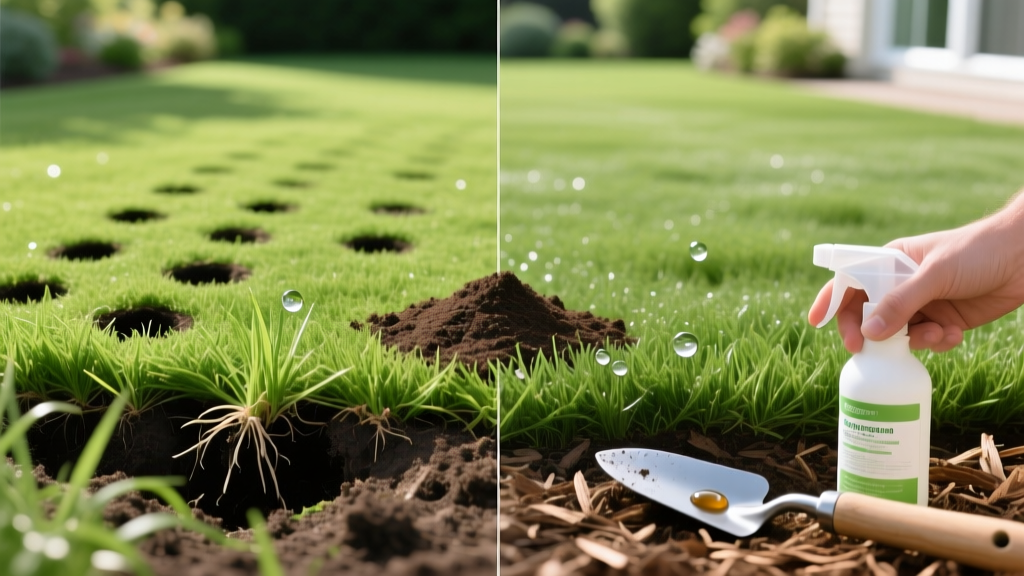
Core vs Liquid Aeration: Mulching Synergy Guide 2026
Anna KowalskiPublished
Introduction to Soil Compaction and Mulch Preservation in 2026
Maintaining a lush, resilient lawn requires a delicate balance between subsurface soil health and surface-level organic matter management. As we progress through the 2026 lawn care season, turfgrass managers and homeowners alike are increasingly focused on the intersection of aeration techniques and mulching methods. Soil compaction remains the primary enemy of root development, restricting oxygen flow, water infiltration, and nutrient uptake. However, the method you choose to relieve this compaction—traditional mechanical core aeration versus modern liquid aeration—has profound implications for your mulching strategy.
Mulching, whether through leaving grass clippings, applying shredded leaf litter, or topdressing with compost, is essential for moisture retention, weed suppression, and feeding soil biology. The dilemma arises when mechanical aeration disrupts these carefully maintained surface layers. Understanding the effectiveness of core versus liquid aeration through the lens of mulching methods and materials is critical for optimizing your lawn's ecological balance this year.
According to turfgrass researchers at Penn State Extension, alleviating soil compaction is non-negotiable for heavy clay soils, but the physical disruption of the thatch and mulch layer must be managed carefully to prevent turf stress and disease proliferation.
Core Aeration: Deep Relief at the Cost of Surface Disruption
Core aeration, also known as plug aeration, involves using a mechanical aerator to physically extract cylindrical plugs of soil and thatch from the lawn. These plugs typically measure 2 to 3 inches in length and are deposited on the surface to break down over time. From a purely structural standpoint, core aeration is the undisputed champion of deep compaction relief. It physically fractures hardpan clay, creating macro-pores that allow deep root penetration and immediate gas exchange.
However, when viewed from a mulching perspective, core aeration presents distinct challenges. If you practice strict mulch-mowing (leaving grass clippings on the lawn) or maintain a layer of shredded leaf mulch, the mechanical coring process will pull this organic matter down into the soil holes and mix it with heavy clay plugs on the surface. This creates a "plug-and-clip" matting effect that can temporarily smother the turf, look unsightly, and alter the carbon-to-nitrogen ratio on the surface as the clay-encased plugs slowly degrade.
The ultimate mulching synergy with core aeration is compost topdressing. Immediately after pulling cores, applying a 1/4-inch layer of finely screened organic compost allows the material to fall directly into the aeration holes. This method, heavily endorsed by Clemson Cooperative Extension, effectively injects organic matter, beneficial microbes, and slow-release nutrients directly into the root zone, bypassing the thatch layer entirely. In 2026, professional topdressing services utilizing blower-mounted compost spreaders have made this highly effective mulching technique more accessible than ever, though it adds roughly $300 to $500 to the average aeration service cost.
Liquid Aeration: The 2026 Surfactant Revolution
Liquid aeration has matured significantly over the past few years, transitioning from a fringe alternative to a mainstream soil management tool. Rather than using physical tines, liquid aeration relies on advanced soil surfactants, saponins (often derived from yucca extracts), and humic/fulvic acids. These compounds work at a molecular level to break the surface tension of water and loosen the ionic bonds between tightly packed clay particles, effectively creating micro-fractures in the soil profile.
From a mulching standpoint, liquid aeration is a game-changer. Because it is applied as a liquid spray, it causes zero surface disruption. Your existing layer of grass clipping mulch, shredded hardwood, or leaf litter remains completely undisturbed. The surfactants actually enhance the effectiveness of your surface mulch by allowing water and dissolved nutrients to penetrate through the thatch and mulch layer directly into the soil, rather than beading up and running off.
While liquid aeration does not provide the immediate, deep physical fracturing of core aeration in severely compacted soils, its effectiveness in 2026 formulations is exceptional for maintaining soil structure, improving water retention under heavy organic mulches, and stimulating microbial activity. It is the preferred aeration method for lawns where preserving a pristine, undisturbed mulch layer is the primary aesthetic and ecological goal.
Head-to-Head Comparison Chart: Aeration & Mulching Synergy
| Feature | Core (Mechanical) Aeration | Liquid (Chemical) Aeration |
|---|---|---|
| Compaction Relief Depth | Deep (2-4 inches physical fracture) | Shallow to Moderate (Molecular loosening) |
| Mulch Layer Disruption | High (Pulls plugs, mixes clippings) | Zero (Spray application preserves surface) |
| Compost Topdressing Synergy | Excellent (Holes act as compost repositories) | Moderate (Relies on surface watering-in) |
| Water Infiltration under Leaf Mulch | Good, but holes may clog with debris | Excellent (Surfactants pull water through thatch) |
| Average 2026 Cost (per 5k sq ft) | $150 - $225 (Without topdressing) | $45 - $85 (DIY or Pro application) |
| Best Time to Apply | Early Fall or Early Spring | Anytime during the active growing season |
Matching Mulching Materials to Your Aeration Method
To maximize the effectiveness of your lawn care regimen, you must align your chosen mulching materials with the appropriate aeration technique. Here is how the most common organic materials interact with core and liquid aeration in 2026.
1. Grass Clippings (Mulch-Mowing)
Mulch-mowing returns vital nitrogen and moisture to the soil. If you utilize liquid aeration, the surfactants help break down the thatch layer that grass clippings can contribute to, accelerating decomposition and preventing matting. If you use core aeration, it is highly recommended to mow and bag your clippings immediately before the aerator arrives, preventing the clippings from mixing with the extracted soil plugs and creating a suffocating paste on the lawn surface.
2. Shredded Leaf Mulch
Shredded autumn leaves are a carbon-rich mulch that feeds fungal networks in the soil. Liquid aeration is vastly superior here. The wetting agents allow autumn rains to penetrate the leaf layer, carrying tannins and nutrients into the soil without disturbing the protective leaf blanket. Core aeration in a leaf-mulched lawn will result in a chaotic mixture of soil plugs and leaf fragments that is difficult to manage and can harbor snow mold over the winter.
3. Compost Topdressing
Compost is the ultimate biological mulch. Core aeration and compost topdressing are a match made in turfgrass heaven. The physical holes created by the tines allow the compost to bypass the thatch barrier and make direct contact with the subsoil, inoculating the root zone with mycorrhizal fungi. While you can apply compost over a liquid-aerated lawn, it will sit on the surface and require heavy irrigation to wash the microbes into the soil profile.
2026 Seasonal Application Schedule
Timing your aeration and mulching routines correctly is essential for cool-season and warm-season grasses. For cool-season grasses (Kentucky Bluegrass, Fescue), perform core aeration and compost topdressing in early fall (September). This aligns with peak root growth and allows the compost mulch to protect the soil over winter. Apply liquid aeration in late spring (May) to relieve mild surface crusting caused by spring rains without disrupting your summer mulch-mowing routine.
For warm-season grasses (Bermuda, Zoysia), core aeration should be performed in late spring or early summer (May-June) when the grass is aggressively growing and can quickly recover from the physical disruption. Follow up with a light compost mulch. Liquid aeration can be applied monthly throughout the summer heat to ensure water penetrates deeply through the thatch layer, keeping the root zone cool and hydrated during drought conditions.
Final Thoughts on Soil Health
The debate between core and liquid aeration is no longer about which is universally "better," but rather which is better suited to your specific mulching methods and soil conditions. By understanding how mechanical disruption and chemical surfactants interact with organic surface materials, you can tailor a 2026 lawn care strategy that builds deep, resilient roots while maintaining a pristine, biologically active surface layer.