Lawn Care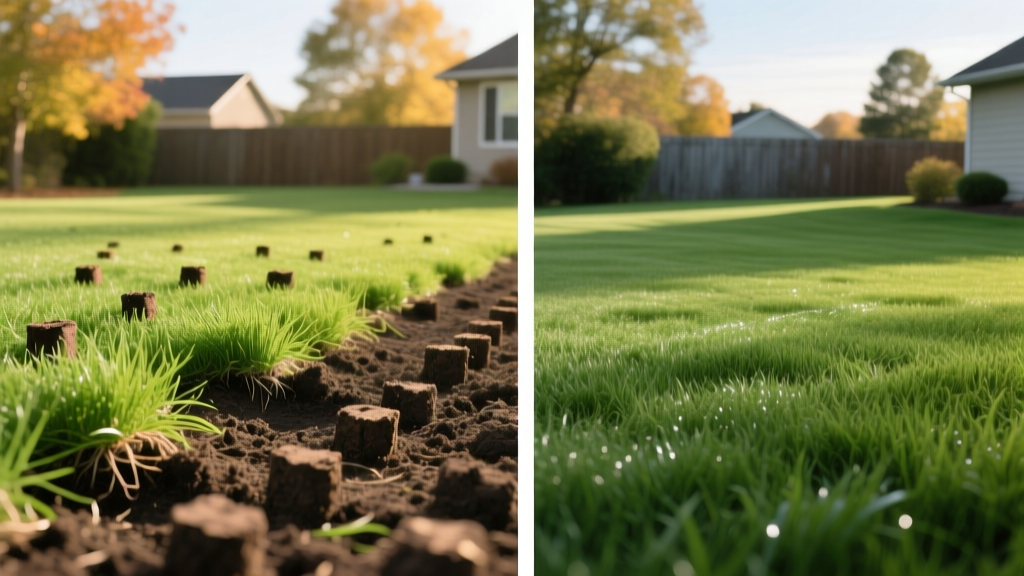
Core vs Liquid Aeration: Best Fall Choice for 2026
Emily WatsonPublished
The Fall Lawn Care Imperative
As the crisp air of autumn settles in, cool-season grasses like Kentucky Bluegrass, Tall Fescue, and Perennial Ryegrass enter their most active growth phase. For homeowners looking to relieve soil compaction and prepare their turf for the upcoming winter, aeration is a non-negotiable step in the fall lawn care calendar. However, the landscaping industry in 2026 is deeply divided between traditional mechanical core aeration and the rapidly advancing science of liquid aeration. With new surfactant technologies and eco-friendly practices taking center stage this year, which method is actually more effective for your fall lawn care routine? In this comprehensive guide, we break down the science, costs, and real-world effectiveness of core versus liquid aeration to help you make the best choice for your yard this season.
Understanding Core Aeration
Core aeration, also known as mechanical or plug aeration, involves using a heavy machine with hollow tines to physically extract plugs of soil and thatch from the lawn. These plugs, typically 2 to 3 inches deep and about half an inch in diameter, are left on the surface to break down naturally. This process immediately alleviates severe soil compaction, creates direct channels for water, oxygen, and nutrients to reach the root zone, and dramatically improves seed-to-soil contact for fall overseeding.
The 2026 Core Aeration Landscape
In 2026, renting a gas-powered core aerator from major equipment centers like Sunbelt Rentals or Home Depot typically costs between $85 and $110 per day. Professional lawn care services charge an average of $150 to $250 for a standard 5,000-square-foot lawn. While the physical labor of maneuvering a 300-pound machine is intense, the physical alteration of the soil profile remains unmatched for heavily compacted clay soils.
The Rise of Liquid Aeration
Liquid aeration represents a modern, chemical approach to soil compaction. Instead of physically removing soil, liquid aerators utilize advanced surfactants—most notably ammonium lauryl sulfate—combined with humic acids, fulvic acids, and yucca extracts. When applied via a hose-end sprayer, these solutions reduce the surface tension of water, allowing it to penetrate deeply into the soil profile. The surfactants essentially coat soil particles, pushing them apart on a microscopic level to create pore space without the need for heavy machinery.
Top Liquid Aeration Products in 2026
The market has matured significantly, with products like N-Ext Air-8 and Simple Lawn Solutions Liquid Soil Loosener dominating the DIY space. A 32-ounce bottle typically costs between $35 and $60 and can cover up to 3,200 square feet. Liquid aeration is highly favored in 2026 by homeowners seeking low-effort, zero-equipment-maintenance solutions, as well as those looking to reduce the carbon footprint associated with gas-powered lawn equipment.
Head-to-Head Comparison Chart
| Feature | Core Aeration | Liquid Aeration |
|---|---|---|
| Mechanism | Physical removal of soil plugs | Chemical reduction of surface tension |
| 2026 Average Cost (5,000 sq ft) | $150 - $250 (Pro) or $90 (DIY Rental) | $35 - $60 (DIY Application) |
| Labor Intensity | High (Heavy machinery) | Low (Hose-end sprayer) |
| Thatch Reduction | Excellent (Brings microbes to surface) | Poor (Does not physically remove thatch) |
| Overseeding Synergy | Superior (Creates seed-to-soil contact) | Moderate (Improves water penetration) |
| Best Soil Type | Heavy Clay, Severely Compacted | Loam, Sandy, Mildly Compacted |
The Science of Soil Compaction and Root Growth
To understand which method is superior, we must look at turfgrass science. According to researchers at the University of Minnesota Turfgrass Science program, core aeration is highly effective at physically disrupting compacted soil layers and managing thatch. The physical holes left behind act as micro-reservoirs for water and provide an ideal environment for fall overseeding, as grass seed falls directly into the holes, ensuring vital seed-to-soil contact.
However, liquid aeration works on a completely different scientific principle. By utilizing humic acids and surfactants, liquid aerators improve the soil's cation exchange capacity (CEC) and flocculation. The UMN Extension notes that while liquid applications cannot replace the physical fracturing of severely compacted clay, they are exceptional at improving water infiltration and nutrient uptake in soils that are only mildly compacted. Furthermore, the Scotts Lawn Care Library highlights that improving soil chemistry with liquid amendments can stimulate deeper root growth leading into the winter dormancy period, provided the soil is not suffering from extreme physical compaction.
When to Choose Core Aeration This Fall
You should opt for traditional core aeration this autumn if your lawn exhibits any of the following conditions:
- Heavy Clay Soil: Clay particles bind tightly together. Liquid surfactants often struggle to create lasting pore space in dense clay, whereas mechanical tines physically rip the soil apart.
- Severe Compaction: If your lawn experiences heavy foot traffic, pet activity, or was driven on by construction vehicles, the soil is likely compressed beyond what liquid chemistry can fix in a single season.
- Thatch Buildup: If your thatch layer exceeds half an inch, core aeration brings soil microbes to the surface, which accelerates the natural decomposition of thatch.
- Fall Overseeding: If you plan to overseed your cool-season lawn this fall, core aeration is mandatory. Dropping seed into the physical holes created by the aerator ensures the seed is protected, retains moisture, and makes direct contact with the soil.
When to Choose Liquid Aeration This Fall
Liquid aeration is the superior choice for your 2026 fall routine if:
- Mild Compaction and Loamy Soil: If your soil is relatively healthy but just needs a seasonal boost in water infiltration, liquid aeration is highly effective.
- Slope and Terrain Issues: Hauling a 300-pound core aerator up steep hills or through narrow backyard gates is dangerous and difficult. Liquid aeration can be sprayed easily on any terrain.
- Budget and Convenience: At roughly $40 per application and taking only 15 minutes to apply, liquid aeration is vastly more convenient and cost-effective for DIY homeowners.
- Winterizer Prep: Applying a liquid aerator right before your late-fall winterizer fertilizer application ensures the nutrients are pulled deep into the root zone rather than washing off the surface.
The 2026 Hybrid Strategy: Best of Both Worlds
Many elite lawn care professionals and advanced DIYers in 2026 are adopting a hybrid approach to maximize fall results. This involves applying a high-quality liquid aerator (containing ammonium lauryl sulfate and humic acid) 7 to 10 days before performing mechanical core aeration. The liquid solution softens the soil profile and reduces surface tension, allowing the mechanical tines to penetrate much deeper into the ground with less strain on the machine. This hybrid method yields deeper plugs, better fracturing of the subsoil, and a dramatically improved environment for fall root expansion.
Step-by-Step Fall Execution Timeline
Timing is everything for fall lawn care. Follow this timeline for optimal results:
- Early September: Test your soil moisture. The ground should be moist but not muddy. Water deeply 24 hours before any aeration treatment.
- Mid-September: Apply liquid aeration if using the hybrid method or if skipping core aeration entirely. Follow up with your primary fall fertilizer.
- Late September to Early October: Perform mechanical core aeration. Leave the plugs on the lawn to break down. Immediately follow with fall overseeding and a starter fertilizer.
- Mid-to-Late October: Keep the lawn consistently watered to encourage seed germination and deep root growth before the first hard frost.
Final Thoughts for 2026
The debate between core and liquid aeration is not about one method being universally superior; it is about matching the treatment to your specific soil conditions and fall lawn care goals. For heavily compacted lawns requiring overseeding, mechanical core aeration remains the undisputed champion. However, for routine maintenance, sloped terrain, and improving nutrient uptake in mildly compacted soils, liquid aeration offers a scientifically backed, highly convenient alternative. By understanding the unique benefits of both methods, you can tailor your fall lawn care strategy to ensure a thick, resilient, and vibrant lawn come spring.