Lawn Care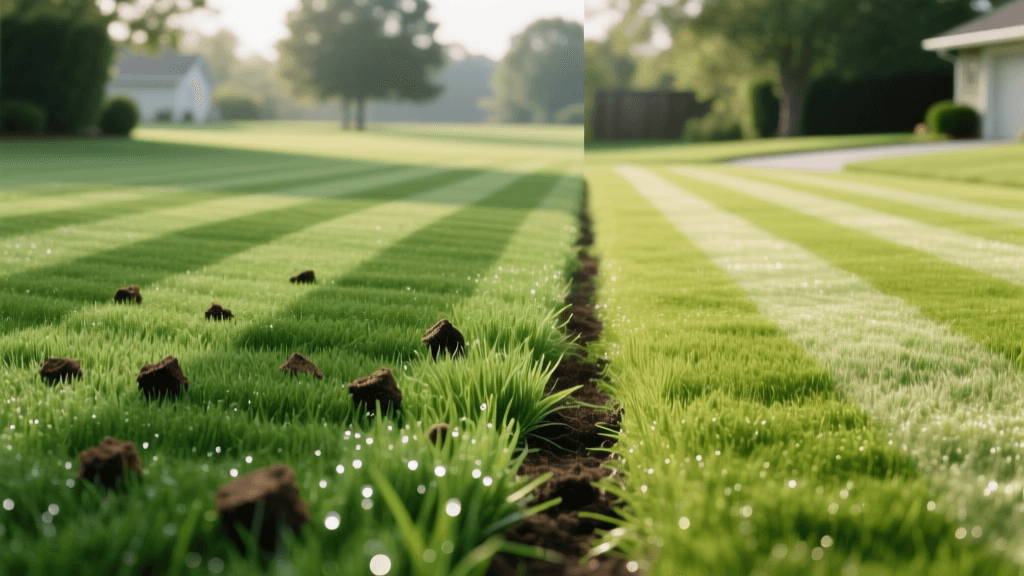
Core Vs Liquid Aeration For Best Lawn Stripes 2026
The Pursuit of the Perfect Stripe in 2026
For home lawn enthusiasts and landscape professionals alike, achieving the perfect lawn stripe is the ultimate badge of honor. The mesmerizing light and dark bands that crisscross a pristine lawn are not merely an illusion of mowing patterns; they are a direct reflection of turfgrass health, blade flexibility, and soil structure. As we navigate the 2026 lawn care season, a major debate continues to dominate turf forums and landscaping circles: core aeration versus liquid aeration. When your primary goal is aesthetic perfection and razor-sharp striping, understanding how these two soil management techniques impact your grass is absolutely critical.
Soil compaction is the silent enemy of lawn aesthetics. Compacted earth restricts root growth, limits water infiltration, and starves the turf of essential nutrients. But how does this relate to lawn striping? The answer lies in the cellular structure of the grass blade itself. To create a visible stripe, the grass must bend smoothly under the weight of a lawn striper or roller and remain bent without snapping. This requires high turgor pressure and robust cell walls, both of which are compromised in compacted soil. Let us break down the effectiveness of core and liquid aeration specifically through the lens of lawn striping and aesthetic patterns in 2026.
The Physics of the Bend: Turgor Pressure and Stripe Definition
Before comparing aeration methods, it is vital to understand the physics of a lawn stripe. According to Penn State Turfgrass Science, the visual contrast in a striped lawn is created by the way light reflects off the grass blades. When grass is bent away from you, the lighter, waxy underside of the blade is exposed, creating a bright stripe. When bent toward you, the darker, chlorophyll-rich top is visible.
For this reflection to work flawlessly, the grass must possess optimal turgor pressure—the internal water pressure that keeps plant cells rigid yet flexible. If your soil is heavily compacted, the root system remains shallow and stressed. Stressed grass loses turgor pressure, becoming brittle. When a heavy lawn striper rolls over brittle grass, the blades snap or crease irregularly rather than bending smoothly. This results in a dull, patchy, and poorly defined stripe. Therefore, alleviating soil compaction is not just an agronomic necessity; it is an aesthetic prerequisite.
Core Aeration: The Heavy-Duty Foundation for Long-Term Contrast
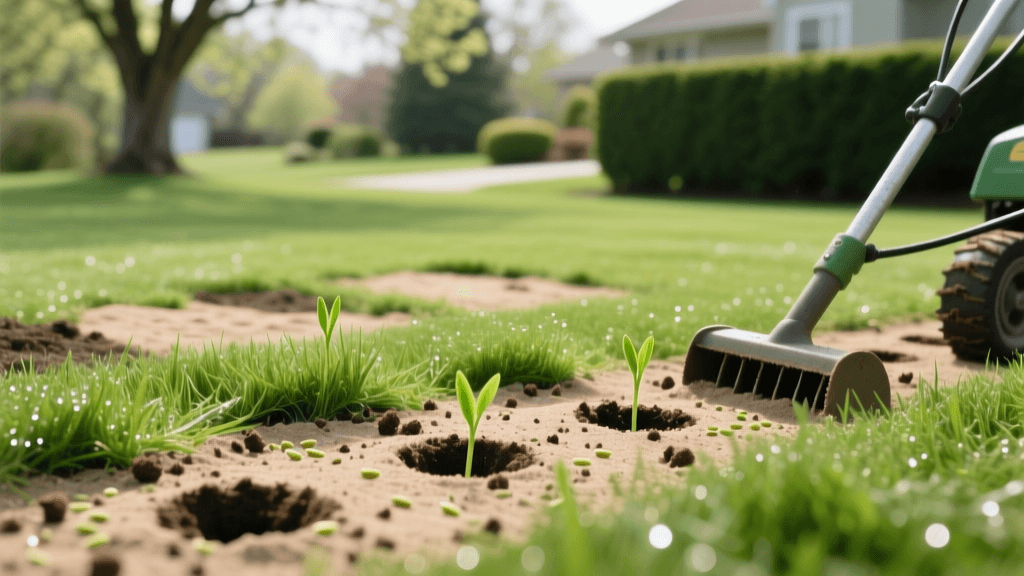
Core aeration involves using heavy machinery to physically extract plugs of soil, thatch, and grass from the lawn. This traditional method remains the gold standard for severely compacted soils, particularly heavy clay profiles. By removing physical cores, you create immediate pathways for oxygen, water, and nutrients to reach the deep root zone.
The Aesthetic Drawbacks of Core Aeration
If your primary focus is immediate lawn striping, core aeration presents a significant short-term aesthetic hurdle. The extracted soil plugs are deposited on the surface of the lawn. In 2026, even with advanced micro-tine aerators, these plugs can take two to four weeks to fully break down and integrate back into the thatch layer. During this period, your lawn will look messy and speckled. Furthermore, running a heavy lawn striper over fresh soil plugs will smear wet dirt across your turf, completely ruining the visual canvas and potentially causing uneven mowing heights.
The Long-Term Striping Benefits
However, patience yields incredible aesthetic rewards. Once the plugs break down and the deep roots establish in the newly created voids, the turfgrass canopy becomes exceptionally dense and dark. A thick, deeply rooted lawn provides a lush, velvety canvas that holds a stripe beautifully. The University of Minnesota Extension notes that physical core extraction is unmatched for relieving deep-layer compaction, which ultimately translates to the darkest, most vibrant grass blades capable of reflecting light with high contrast.
Liquid Aeration: The 2026 Aesthetic Preserver
Liquid aeration has seen massive technological advancements leading into 2026. Modern liquid aerators utilize advanced non-ionic surfactants, saponins, and humic acid blends to break the surface tension of water and chemically loosen soil particles. Unlike core aeration, liquid aeration requires nothing more than a standard hose-end sprayer, making it incredibly accessible for DIY turf enthusiasts.
Immediate Striping Perfection
From a purely aesthetic standpoint, liquid aeration is a dream for stripe enthusiasts. Because there are no soil plugs left on the surface, your lawn remains a pristine, unbroken canvas. You can apply a liquid aerator in the morning and mow with your striper that same afternoon. The surfactants immediately improve water penetration, boosting the turgor pressure in the grass blades. This enhanced hydration ensures that when your roller passes over the turf, the blades bend smoothly and uniformly, resulting in incredibly sharp, well-defined lines.
The Limitations on Heavy Clay
While liquid aeration preserves immediate aesthetics, it is not a silver bullet for severe compaction. If your lawn suffers from deep, heavy clay hardpan, liquid surfactants alone cannot physically lift and fracture the soil deep below the surface. Over time, this can lead to shallow rooting, thinning turf, and a loss of the deep green color required for high-contrast striping. As highlighted in recent agronomy discussions within the USGA Green Section Record, while soil surfactants are phenomenal for moisture management and surface tension relief, they cannot replace the physical displacement required for heavily compacted athletic fields or clay-heavy residential lawns.
2026 Comparison: Core vs. Liquid Aeration for Striping
To help you decide which method aligns with your aesthetic goals, review the comparison table below detailing how each technique impacts lawn striping in the 2026 season.
| Feature | Core Aeration | Liquid Aeration (2026 Surfactant Blends) |
|---|---|---|
| Immediate Stripe Quality | Poor (Plugs disrupt roller glide and visual canvas) | Excellent (No surface debris; immediate mowing) |
| Long-Term Blade Flexibility | High (Deep root relief creates robust, flexible blades) | Moderate (Depends heavily on existing soil profile) |
| Best Soil Type for Stripes | Heavy Clay / Severe Compaction | Loam / Sandy Loam / Mild Compaction |
| Turf Density & Color Contrast | Exceptional (Promotes thick, dark, light-reflective canopy) | Good (Maintains hydration but may not thicken thin turf) |
| Average Cost per 5,000 sq ft | $85 - $140 (Professional) / $220 (DIY Machine Rental) | $30 - $55 (DIY Hose-End Surfactant Blends) |
| Time to Resume Striping | 2-4 Weeks (Must wait for plug breakdown) | Immediate (Same day application and mowing) |
The Hybrid Strategy: The Ultimate 2026 Striping Protocol
For the most dedicated lawn striping enthusiasts in 2026, the question is not necessarily which method to choose, but how to sequence them for maximum aesthetic impact. The most successful turf managers utilize a hybrid approach that balances long-term agronomic health with short-term visual perfection.
Step 1: Early Season Core Aeration
Schedule your physical core aeration during the peak growing season for your specific grass type (early spring for warm-season grasses like Bermuda and Zoysia; early fall for cool-season grasses like Kentucky Bluegrass and Fescue). This is the period when the lawn will recover fastest, and you are likely not prioritizing perfect stripes during the stressful recovery weeks. Allow the plugs to break down naturally through rainfall and regular mowing.
Step 2: Mid-Season Liquid Aeration Maintenance
Once the core aeration plugs have vanished and your turf has filled in, transition to a monthly liquid aeration schedule during the peak summer striping months. Applying a high-quality 2026 surfactant and humic acid blend ensures that the pathways created by the core aerator remain open, water penetrates evenly, and the grass blades maintain the high turgor pressure necessary for bending under a striper.
Top-Rated 2026 Liquid Products for Stripe Enthusiasts
If you are relying on liquid aeration to maintain your summer stripes, selecting the right formulation is crucial. Look for products that combine soil-loosening saponins with humic acids to promote deep, dark green coloration—a must for high-contrast striping.
- Simple Lawn Solutions Liquid Aerating Soil Loosener: A staple in the turf community, this 2026 formulation excels at breaking surface tension, allowing for immediate hydration and blade flexibility post-application.
- Aerify Plus with Humic Acid: This blend not only loosens the topsoil but introduces carbon-rich humic substances that deepen the green color of the grass blade, enhancing the dark bands of your stripe pattern.
- EnviroPlex Surfactant Blends: Often used by professionals, these advanced non-ionic wetting agents ensure uniform water distribution, preventing the dry, brittle patches that cause uneven stripe bending.
Expert Tips for Maximizing Stripe Definition Post-Aeration
Regardless of whether you chose core or liquid aeration, your mowing technique will dictate the final aesthetic result. Follow these 2026 best practices for striping on newly aerated turf:
- Adjust Your Mower Deck: After core aeration, the soil surface may be slightly uneven. Raise your mower deck by a quarter-inch until the soil settles to prevent scalping, which ruins the visual flow of a stripe.
- Use a Weighted Canvas Striper: In 2026, weighted canvas drag mats are preferred over heavy steel rollers for home lawns. Canvas gently bends the hydrated grass blades without crushing the crown or compacting the freshly aerated soil.
- Mow When Dry: Even with liquid surfactants improving water absorption, always mow and stripe when the grass blades are completely dry. Wet grass clumps and bends unpredictably, resulting in muddy, low-contrast stripes.
Conclusion
The quest for the perfect lawn stripe is a delicate balance between soil science and visual artistry. Core aeration remains the undisputed champion for building the deep, robust root systems required for dark, thick, and highly reflective turfgrass over the long term. However, its messy aftermath makes it a temporary enemy of the pristine aesthetic canvas. Liquid aeration, powered by advanced 2026 surfactant technology, offers an immediate, mess-free solution to boost blade hydration and flexibility, allowing for razor-sharp stripes on the very same day. By understanding the unique aesthetic impacts of both methods and employing a strategic, hybrid approach, you can transform your lawn into a masterpiece of light, shadow, and vibrant green health.