Lawn Care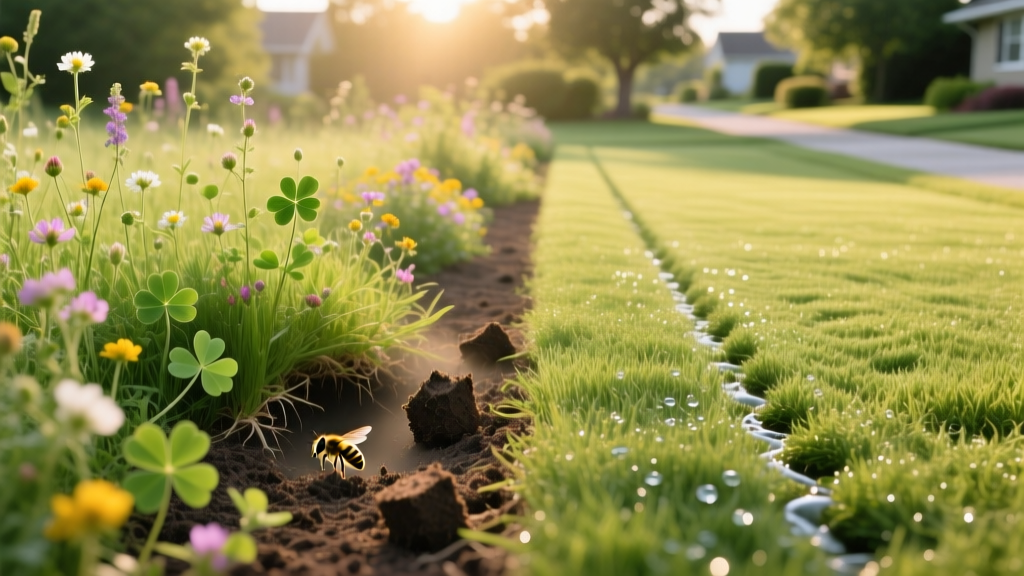
Core vs Liquid Aeration for Pollinator Lawns in 2026
Sarah ChenPublished
The 2026 Eco-Lawn Revolution: Why Aeration Matters for Pollinators
As we move deeper into 2026, the traditional, high-input monoculture turfgrass lawn is rapidly being replaced by the 'eco-lawn' or pollinator-friendly landscape. Homeowners and landscape professionals alike are integrating micro-clovers, creeping thyme, self-heal (Prunella vulgaris), and native wildflowers directly into their turf. These pollinator-friendly garden designs provide crucial forage for bees, butterflies, and other beneficial insects while reducing water and chemical usage. However, the success of these deep-rooted, diverse plantings relies entirely on soil health. Compacted soil restricts root growth, limits water infiltration, and stifles the soil microbiome, making it nearly impossible for delicate pollinator plants to establish.
This brings us to a critical lawn care debate: core aeration versus liquid aeration. Both methods aim to alleviate soil compaction and improve nutrient uptake, but they operate through vastly different mechanisms. When designing a pollinator-friendly garden, your choice between mechanical core aeration and chemical/biological liquid aeration will significantly impact not only your plant establishment but also the local ecosystem, particularly ground-nesting native bees. In this comprehensive guide, we compare the effectiveness of both methods for the modern pollinator lawn.
Core Aeration: The Mechanical Soil Relief
Core aeration, also known as plug aeration, is the traditional mechanical process of removing small cylinders of soil and thatch from the lawn. Using a heavy, gas-powered or electric aerator (such as the popular 2026 Ryan Lawnaire IV models), the machine extracts plugs typically 2 to 3 inches deep and 0.5 to 0.75 inches in diameter, leaving them on the surface to break down.
Benefits for Pollinator Lawns
From a purely agronomic standpoint, core aeration is unmatched for severe compaction relief. By physically removing soil cores, it creates immediate macropores that allow oxygen, water, and nutrients to reach the root zone. More importantly for pollinator garden design, these open holes provide exceptional seed-to-soil contact. When overseeding with pollinator mixes like micro-clover or native yarrow, the seeds fall directly into the aeration holes, protecting them from birds and wind while ensuring the moisture retention necessary for germination.
Drawbacks and Ecological Risks
The primary drawback of core aeration in an eco-lawn setting is its physical disruption of the soil architecture. According to University of Minnesota Extension, while core aeration is highly effective for turf, the heavy machinery can cause secondary compaction in the wheel paths if the soil is too wet. Furthermore, the physical tearing of the soil can severely disrupt the mycorrhizal fungal networks that native wildflowers rely on for nutrient exchange.
Liquid Aeration: The Biological and Chemical Approach
Liquid aeration has gained massive traction by 2026 as an eco-friendly alternative to mechanical plugging. Instead of physical force, liquid aeration relies on a carefully formulated mixture of surfactants, humic acids, fulvic acids, and yucca extracts. When applied via a standard backpack or hose-end sprayer, the surfactants (like ammonium lauryl sulfate) break the surface tension of water, allowing it to penetrate deeply into hydrophobic, compacted soils. The humic and fulvic acids then work to chelate nutrients and stimulate microbial activity, which naturally aggregates soil particles and creates microscopic pore spaces over time.
Benefits for Pollinator Lawns
Liquid aeration is a game-changer for preserving the delicate soil food web. Because it does not physically tear the soil, it leaves mycorrhizal networks and earthworm burrows completely intact. For established pollinator lawns where native plants have already formed symbiotic relationships with soil fungi, liquid aeration provides a gentle way to improve water infiltration without shocking the root systems. Additionally, liquid aeration formulations often include kelp extracts and molasses, which feed the soil microbiome, creating a richer environment for the diverse plant life found in pollinator gardens.
Drawbacks and Limitations
The main limitation of liquid aeration is its inability to provide immediate, deep physical relief for severely compacted clay soils. It is a cumulative process; while you may see improved water absorption within 48 hours, true structural changes to heavy clay take weeks of microbial activity. Furthermore, liquid aeration does not create physical holes. If you are attempting to overseed a new pollinator mix into an existing lawn, liquid aeration alone will not provide the seed-to-soil contact required for high germination rates. You must pair it with aggressive dethatching or verticutting to achieve similar results to core aeration.
Head-to-Head Comparison: Core vs. Liquid Aeration
To help you decide which method aligns with your 2026 pollinator garden goals, we have broken down the effectiveness of both techniques across several critical categories.
| Feature | Core Aeration | Liquid Aeration |
|---|---|---|
| Compaction Relief | Excellent (Immediate physical removal) | Moderate (Gradual chemical/biological loosening) |
| Seed-to-Soil Contact | Superior (Plugs create ideal seed pockets) | Poor (Requires heavy raking or verticutting first) |
| Soil Microbiome Impact | High initial disruption, tears fungal networks | Low disruption, actively feeds and stimulates microbes |
| Ground-Nesting Bee Safety | Risky in spring (can destroy nesting tunnels) | Safe (No physical disruption to soil structure) |
| 2026 Avg Cost (per 5,000 sq ft) | $150 - $250 (Professional service) | $40 - $80 (DIY application of premium concentrates) |
| Best Use Case | New eco-lawn establishment, heavy clay soils | Maintenance of established pollinator lawns |
Protecting Ground-Nesting Bees During Aeration
When designing and maintaining a pollinator-friendly garden, we must look beyond the flowers and consider the entire habitat. According to Penn State Extension, approximately 70 percent of native bee species in North America are ground-nesters. Species such as sweat bees (Halictidae), mining bees (Andrena), and bumblebees build their nests in bare or sparsely vegetated patches of well-drained soil.
This is where the timing and method of your aeration become critical ecological decisions. Core aeration involves driving heavy metal tines deep into the soil, which can crush active nesting tunnels and kill developing larvae if performed during peak nesting seasons. The Xerces Society strongly advises minimizing deep soil disturbance in areas known to support ground-nesting pollinators.
If your soil is only mildly compacted and your primary goal is to maintain an established pollinator lawn without harming local bee populations, liquid aeration is the vastly superior choice. It softens the soil and improves drainage without collapsing the intricate underground architecture that native bees rely on for reproduction. If you must use core aeration to relieve severe compaction or establish a new clover lawn, timing is everything. Avoid aerating in early to mid-spring (April and May) when ground-nesting bees are most active. Instead, schedule your core aeration for late summer or early fall (late August through September), after the primary nesting season has concluded but while the soil is still warm enough for cool-season pollinator plants to establish roots.
Best Practices for Overseeding Pollinator Mixes Post-Aeration
If you have determined that your soil requires the deep relief and seed-pockets provided by core aeration, you must follow up with proper overseeding techniques to maximize your pollinator garden design.
- Mow Low Before Aerating: Scalp your existing turf down to 1.5 inches before running the core aerator. This ensures the tines penetrate deeply and allows sunlight to reach the newly sown pollinator seeds.
- Choose the Right Mix: For 2026 eco-lawns, look for seed mixes containing PT769 micro-clover, English daisy, and low-growing yarrow. These plants tolerate foot traffic and provide continuous blooms from early spring to late fall.
- Leave the Plugs: Do not rake up the soil cores left behind by the aerator. As they break down over the next two weeks, they will top-dress the new pollinator seeds, providing a rich, microbially active covering that retains moisture.
- Watering Protocol: Pollinator seeds, especially clover and wildflowers, require consistent surface moisture to germinate. Water the lawn lightly two to three times a day for the first 14 days post-aeration. Avoid heavy, deep watering that might wash the tiny seeds out of the aeration holes.
- Suspend Herbicides: A true pollinator lawn embraces broadleaf plants. You must completely abandon the use of broadleaf weed killers (like 2,4-D or dicamba). If you have aggressive weeds like dandelions competing with your new plantings, rely on hand-pulling or targeted organic spot-treatments like horticultural vinegar, applied carefully to avoid damaging your desired pollinator species.
Conclusion: Which Method Wins for 2026?
The debate between core aeration and liquid aeration does not have a one-size-fits-all answer; rather, it depends on the current state of your soil and your specific pollinator garden goals. If you are converting a traditional, heavily compacted turfgrass lawn into a new pollinator habitat and need to overseed aggressively with clover and native grasses, core aeration remains the most effective tool for ensuring seed-to-soil contact. However, if you are maintaining an already established eco-lawn, dealing with mild compaction, and want to protect the vital ground-nesting bee populations in your yard, liquid aeration is the undisputed champion of 2026. By understanding the mechanical and biological impacts of both methods, you can cultivate a thriving, biodiverse landscape that supports both deep-rooted native plants and the essential pollinators that visit them.