
Landscaping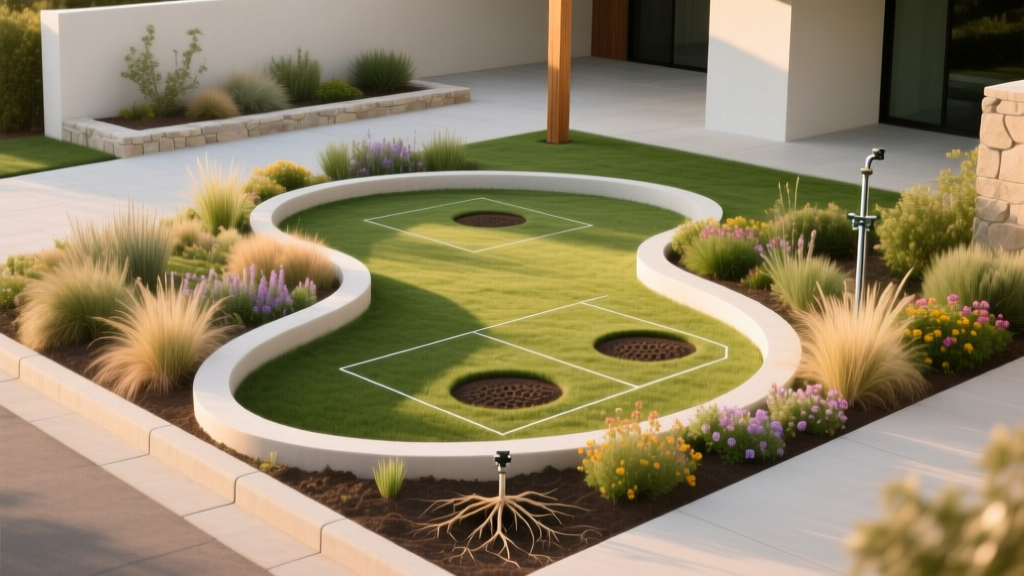
Corner Lot Landscape Design: Curved Beds & Aeration 2026
Emily WatsonPublished
The Unique Challenges of Corner Lots in 2026
Corner lots have long been a double-edged sword in residential landscaping. On one hand, they offer expansive frontage, abundant natural light, and a prominent neighborhood presence. On the other hand, they are subjected to double the sidewalk traffic, harsher street-level pollution, and the dreaded 'corner-cutting' phenomenon. In 2026, as urban density increases and pedestrian traffic surges in suburban developments, corner lot turf areas are facing unprecedented levels of soil compaction. To achieve a pristine, magazine-worthy landscape, homeowners and designers are increasingly turning to a dual approach: implementing sweeping curved bed borders to guide traffic and soften hardscapes, while deploying an aggressive core aeration strategy to save the turf from the crushing weight of foot and vehicle traffic.
Designing Curved Bed Borders for Traffic and Aesthetics
When designing a corner lot, straight lines often exacerbate the 'bowling alley' effect, drawing the eye directly down the intersecting sidewalks and making the property feel exposed. Curved bed borders introduce organic movement, soften the harsh angles of concrete intersections, and naturally guide the pedestrian eye toward the home's entryway rather than the street corner.
However, designing curves in 2026 requires strict adherence to both municipal visibility codes and practical lawn maintenance metrics. Most modern municipal codes mandate a 'visibility triangle' at street corners—typically a 25-foot to 30-foot radius from the intersection point where no plantings can exceed 30 inches in height. Curved beds are perfect for this zone, allowing you to plant low-profile, drought-tolerant ground covers and ornamental grasses that comply with safety regulations while maintaining aesthetic flow.
Furthermore, the radius of your curved bed borders must accommodate modern lawn care equipment. A minimum curve radius of 36 inches is highly recommended. This ensures that commercial zero-turn mowers and stand-on aerators can navigate the borders without scalping the turf or tearing up the edging material. When laying out these curves, use a flexible garden hose to map the design, and secure the borders with heavy-duty 5-gauge steel landscape edging, which holds sweeping curves far better than rigid poly-plastic alternatives.
The Hidden Enemy: Soil Compaction in High-Traffic Zones
The most overlooked aspect of corner lot landscaping is soil health. The turf areas situated between the curved bed borders and the sidewalks—often referred to as the 'verge' or 'parking strip'—are prime real estate for soil compaction. Pedestrians cutting the corner to save time, delivery drivers parking heavy vans on the grass, and the repetitive turning of heavy landscaping equipment compress the soil pores. According to soil science experts, when soil bulk density exceeds 1.4 g/cm³, root growth is severely restricted, water infiltration drops by up to 60%, and turfgrass enters a state of chronic stress.
This is where core aeration transitions from a routine lawn care task to a critical landscape preservation tool. Core aeration involves mechanically extracting 2-to-3-inch plugs of soil and thatch, physically relieving compaction and allowing oxygen, water, and nutrients to reach the root zone. Without a dedicated core aeration protocol, even the most beautifully designed curved beds will be surrounded by thinning, weed-choked turf.
Why Corner Lots Suffer from Severe Compaction
- Pedestrian Corner-Cutting: The diagonal path across a corner lot lawn can compress the top 4 inches of soil into a concrete-like state within a single season.
- Utility Access and Parking: Corner lots often house utility boxes and hydrants, leading to repeated trampling by service vehicles.
- Snow Plow and Street Sweeper Debris: The edges of corner lots accumulate heavy, compacted silt and sand from municipal street maintenance, smothering the turf edges near your curved beds.
Integrating Core Aeration into Your 2026 Landscape Plan
To successfully integrate core aeration into a corner lot with curved beds, timing and equipment selection are paramount. In 2026, the shift toward cooler, wetter springs in many regions means you must monitor soil moisture levels closely before aerating. The soil should be moist, but not saturated. If the soil is too wet, the aeration tines will smear the clay walls of the holes, actually worsening compaction. If it is too dry, the tines will bounce off the surface, failing to achieve the necessary 3-inch depth.
Choosing the Right Aeration Equipment for Curved Spaces
Navigating tight, sweeping curves near hardscapes requires specialized equipment. While pull-behind aerators are fine for open, rectangular backyards, they are a nightmare for corner lot parkways and curved bed perimeters. For these areas, stand-on or walk-behind core aerators are the industry standard.
Models like the Classen CA-18H or the Ryan Lawnaire V offer excellent maneuverability. Their narrow wheelbases allow operators to hug the steel edging of curved beds without dropping a wheel into the mulch. When aerating near the borders, use a 'feathering' technique: make your primary passes parallel to the curve, and use short, controlled pull-backs at the ends rather than wide, sweeping turns that can tear the turf near the bed edges.
2026 Core Aeration and Landscaping Integration Timeline
Coordinating your hardscaping, planting, and aeration schedules is vital for a cohesive landscape installation. Below is a recommended timeline for cool-season and warm-season turf zones in 2026.
| Phase | Cool-Season Turf (North/Transition Zones) | Warm-Season Turf (Southern Zones) | Landscape Integration Action |
|---|---|---|---|
| Early Spring | Assess compaction; avoid aerating wet spring soils. | Wait for full green-up (late May). | Install steel edging for curved beds; apply pre-emergent away from aeration zones. |
| Late Spring / Early Summer | Light aeration only if compaction is severe. | Primary Aeration Window. | Plant heat-tolerant ground covers in visibility triangle zones. |
| Early Fall (Sept/Oct) | Primary Aeration Window. Overseed immediately. | Reduce aeration; focus on deep root fertilization. | Top-dress curved bed borders; refresh mulch to protect newly seeded turf edges. |
| Late Fall | Winterize irrigation; avoid heavy traffic on aerated soil. | Overseed with winter ryegrass if desired. | Prune low-growing shrubs to maintain municipal visibility triangle codes. |
Edging and Planting Curved Beds Post-Aeration
Once the turf has been aerated and the soil plugs have broken down (which typically takes 10 to 14 days and a few mowing cycles), it is time to finalize the curved bed borders. The aeration process often disrupts the immediate edge of the turf where it meets the hardscape or mulch. Use a manual half-moon edger or a motorized stick edger to redefine the trench along your curved steel borders. This creates a crisp, professional line and prevents aggressive turfgrass rhizomes from invading your ornamental beds.
When planting within the curved beds—especially in the corner visibility triangle—choose species that thrive in the reflected heat from the adjacent concrete sidewalks. In 2026, landscape architects heavily favor native, deep-rooted perennials like Purple Coneflower (Echinacea purpurea), Liriope, and dwarf ornamental grasses like 'Hameln' Fountain Grass. These plants not only stay under the 30-inch height restriction required for corner sightlines, but their deep root systems help absorb stormwater runoff from the impervious sidewalks, reducing the erosion that often plagues corner lot bed borders.
Expert Guidelines and Sustainable Practices
Effective landscaping is rooted in soil science. The University of Minnesota Extension emphasizes that core aeration is the single most effective mechanical intervention for relieving soil compaction and improving turfgrass vigor in high-traffic urban and suburban environments. They recommend leaving the extracted soil cores on the lawn to break down naturally, as they contain beneficial microorganisms that help break down thatch.
Furthermore, understanding the mechanics of the soil beneath your curved beds is essential. The USDA Natural Resources Conservation Service (NRCS) provides extensive guidelines on identifying and mitigating soil compaction. They note that preventing compaction through strategic landscape design—such as using curved beds to naturally funnel pedestrian traffic away from vulnerable turf zones—is just as important as mechanical remediation. By combining intelligent, code-compliant curved bed design with a rigorous, seasonally timed core aeration regimen, you can transform a problematic corner lot into the most resilient and visually striking landscape in the neighborhood.
Conclusion
Corner lot landscape design requires a delicate balance of aesthetics, municipal compliance, and rigorous turf management. By implementing sweeping curved bed borders, you soften the harsh geometry of intersecting streets and create dynamic planting zones. However, the true secret to maintaining the lush, vibrant turf that surrounds these beds lies beneath the surface. Strategic core aeration combats the severe compaction inherent to corner lots, ensuring that your 2026 landscape investment remains healthy, resilient, and breathtaking for years to come.

