
Landscaping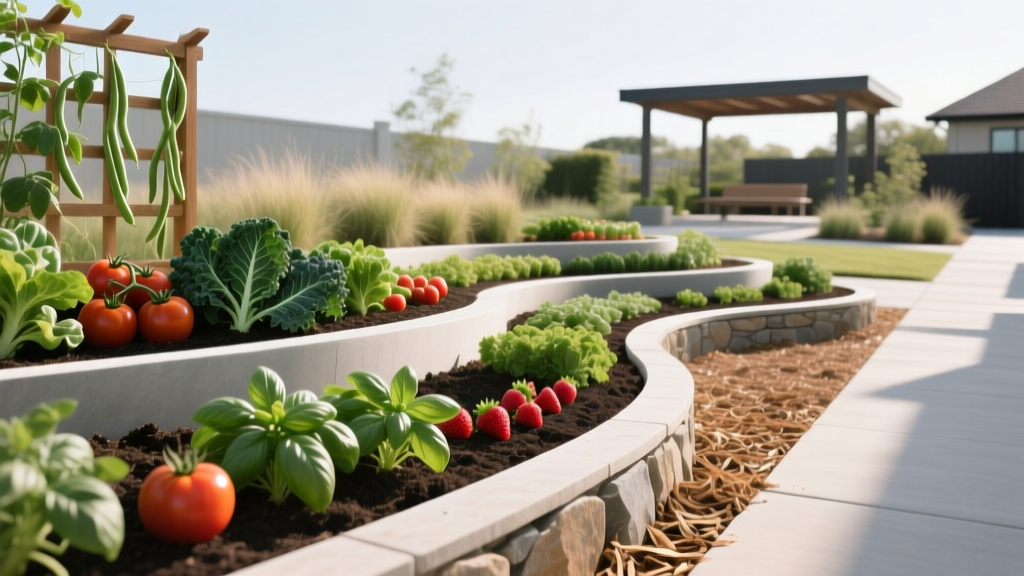
2026 Corner Lot Foodscaping: Curved Edible Bed Designs
James MillerPublished
The Unique Challenge of Corner Lot Landscaping
Corner lots present a unique paradox for homeowners. On one hand, they offer abundant sunlight, extra square footage, and dual-street curb appeal. On the other hand, they are heavily exposed to foot traffic, noise, and strict municipal zoning ordinances regarding visibility. In 2026, the trend of edible landscaping—often called foodscaping—has evolved from hiding vegetable patches in the backyard to integrating them seamlessly into front-yard aesthetics. For corner lots, combining foodscaping with curved bed borders is the ultimate design solution. Curves soften the harsh, rigid angles of intersecting streets and sidewalks, while strategic plant placement ensures you can grow a bountiful harvest without violating local traffic safety laws.
Mastering the Visibility Triangle with Curved Beds
Before breaking ground on any corner lot landscape, you must understand the 'visibility triangle.' Most municipal codes mandate a clear sightline at intersections to prevent vehicle and pedestrian collisions. Typically, this requires a 30-foot triangular zone at the corner where no plant or structure can exceed 24 to 30 inches in height. According to urban planning guidelines referenced by the EPA Smart Growth program, maintaining these sightlines is critical for neighborhood safety.
Curved bed borders are exceptionally well-suited for navigating this constraint. Instead of building rigid, boxy raised beds that might accidentally intrude into the sight triangle, a sweeping curved border can elegantly hug the perimeter of the visibility zone. By keeping the plants within the inner curve of the triangle under 12 inches tall, and gradually increasing the height of your edible plants as the bed curves away from the intersection, you create a natural, terraced amphitheater of food production that remains 100% code-compliant.
Why Curved Borders Work for Edible Landscapes
Straight lines in nature are rare, and straight garden beds can sometimes feel overly formal or agricultural when placed in a residential front yard. Curved borders mimic the natural flow of the landscape, guiding the eye smoothly along the property line. From a microclimate perspective, curved beds can be oriented to capture maximum southern exposure while shielding tender edibles from harsh northern winds. Furthermore, curved pathways adjacent to these beds allow for easier maneuverability with wheelbarrows and garden carts during harvest season, eliminating the tight 90-degree turns required by traditional grid layouts.
Plant Selection for Curved Corner Beds (2026 Guide)
When designing an edible landscape for a corner lot, you must layer your plants not just for aesthetic appeal, but for safety and yield. The Arbor Day Foundation recommends selecting dwarf or columnar fruit tree varieties for residential spaces to prevent overbearing shade and root interference with sidewalks. Below is a structured planting guide tailored for a curved corner lot foodscape in 2026.
| Zone | Plant Type | 2026 Recommended Varieties | Max Height | Purpose |
|---|---|---|---|---|
| Visibility Triangle (Front Edge) | Low-Growing Edibles | Alpine Strawberries, Creeping Thyme, Nasturtiums | Under 12 inches | Safety Compliance & Groundcover |
| Mid-Curve Transition | Shrubs & Cane Fruits | 'Jelly Bean' Blueberries, Heritage Raspberries, Rosemary | 24 - 48 inches | High Yield & Visual Screening |
| Interior Anchor (Back Edge) | Dwarf/Columnar Trees | 'Northpole' Columnar Apple, Dwarf Chicago Fig, Pawpaw | 6 - 10 feet | Vertical Structure & Focal Point |
Layer 1: The Visibility Triangle Groundcover
In the 30-foot corner zone, stick to low-profile edibles. Alpine strawberries (Fragaria vesca) are perfect for 2026 foodscapes because they do not send out aggressive runners, keeping your curved edges neat. Creeping thyme offers the added benefit of releasing a pleasant aroma when brushed by passing pedestrians, while trailing nasturtiums provide vibrant, edible flowers that spill beautifully over stone or steel edging.
Layer 2: The Mid-Curve Shrub Layer
As the bed curves away from the intersection and the height restriction lifts, transition into berry shrubs. Compact blueberry varieties like 'Jelly Bean' offer stunning red fall foliage, ensuring your landscape looks ornamental even after the harvest. Trellised cane fruits, such as thornless raspberries, can be trained along curved wire supports to follow the contour of the bed, maximizing space without blocking sightlines from driveways.
Layer 3: The Interior Anchor Trees
The innermost curve, furthest from the street, is the ideal location for vertical anchors. Columnar apple trees grow strictly upward, taking up less than two feet of horizontal space while producing full-sized fruit. According to the NC State Extension Plant Database, selecting disease-resistant cultivars is essential for front-yard edibles to avoid the need for unsightly chemical sprays or defoliated trees in late summer.
Hardscaping and Edging for Curved Food Beds
To maintain the crisp definition of a curved edible bed, physical edging is mandatory. In 2026, Corten steel landscape edging remains the premium choice for foodscaping. It bends easily to accommodate sweeping curves, develops a beautiful rust patina that blends with natural soil tones, and will not leach harmful chemicals into your food-growing soil. Expect to pay between $5.00 and $8.00 per linear foot for heavy-duty 14-gauge Corten steel in 2026.
Alternatively, flexible recycled composite edging or dry-stacked natural stone can provide a more rustic, cottage-garden feel. If using stone, ensure the base is trenched at least four inches deep to prevent frost heave from disrupting the curve over the winter months. Avoid using pressure-treated lumber or old railroad ties, as the chemicals can leach into the soil and contaminate your edible crops.
Soil Preparation and Irrigation Strategies
Corner lots often suffer from poor, compacted soil due to construction debris and heavy foot traffic. Before planting, conduct a percolation test. If drainage is poor, build your curved beds up by 6 to 12 inches using a specialized foodscape soil mix: 40% high-quality topsoil, 40% organic compost, and 20% pumice or perlite for aeration. Incorporating biochar in 2026 has become a standard practice for urban foodscapes, as it permanently improves soil structure and retains moisture during summer heatwaves.
For irrigation, overhead sprinklers are highly inefficient and promote fungal diseases on edible foliage. Instead, install a smart drip irrigation system. Brands like Rachio and Netafim have released updated 2026 smart hose timers and pressure-compensating drip lines that automatically adjust watering schedules based on hyper-local weather forecasts. Lay the drip lines along the contours of your curved beds, securing them with landscape staples every three feet, and cover them with two inches of organic hardwood mulch to retain moisture and suppress weeds.
Maintenance and Seasonal Curb Appeal
A front-yard foodscape must look intentional year-round. To prevent your curved beds from looking barren in the winter, interplant your edible layers with evergreen culinary herbs. Tuscan Blue Rosemary, Pineapple Guava, and Silver Sage provide striking architectural forms and silvery-green foliage that contrast beautifully with the dark mulch and rusted steel edging.
Pruning is another critical maintenance task. Keep your dwarf fruit trees pruned to an open-center or central-leader shape to allow sunlight to penetrate the canopy, which improves fruit ripening and keeps the interior of the bed bright. By embracing the unique geometry of your corner lot and utilizing sweeping, curved bed borders, you can create a 2026 foodscape that is as safe and compliant as it is beautiful and delicious.

