
Landscaping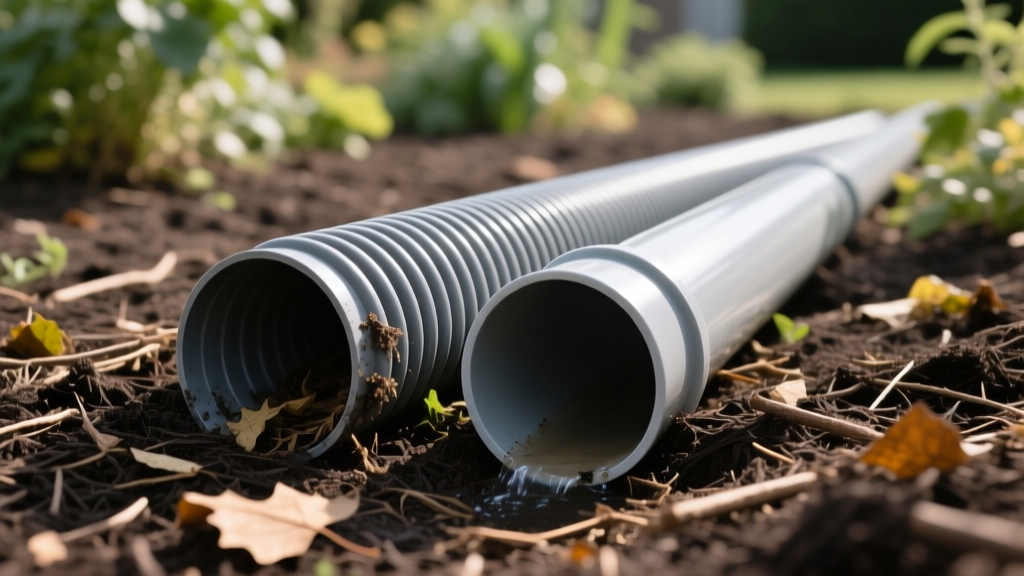
Corrugated vs PVC Drainage Pipe for Mulched Beds 2026
Sarah ChenPublished
The Hidden Lifeline Beneath Your Mulch
Mulching is a cornerstone of modern landscaping, offering unparalleled benefits for moisture retention, weed suppression, and soil temperature regulation. However, in poorly drained areas or heavy clay soils, a thick layer of organic mulch can inadvertently trap surface water, creating boggy conditions that suffocate plant roots and invite fungal diseases. To combat this, landscape professionals integrate subsurface drainage systems directly beneath or adjacent to mulched garden beds. As we navigate the landscaping trends of 2026, the debate between using corrugated high-density polyethylene (HDPE) pipe versus rigid polyvinyl chloride (PVC) pipe remains one of the most critical decisions for homeowners and contractors alike.
When designing a drainage solution for a mulched landscape bed, you are not just moving water; you are managing the biological breakdown of organic materials. The interaction between your chosen mulch material, the soil biology, and the physical drainage pipe dictates the longevity of your entire system. According to the University of Minnesota Extension, effective subsurface drainage is essential for managing runoff and preventing waterlogging in residential landscapes. But which pipe material survives the unique environment of a decomposing mulch bed? Let us break down the corrugated versus PVC drainage pipe comparison specifically through the lens of mulching methods and materials.
Understanding Corrugated Drainage Pipe in Mulch Beds
Corrugated drainage pipe, typically made from flexible HDPE, is the most common choice for DIY landscapers and quick French drain installations. Its exterior features a ridged, corrugated profile that provides structural flexibility, allowing it to bend around tree rings, curve through complex garden beds, and navigate the undulating topography of a heavily mulched landscape.
The Advantages of Corrugated Pipe
- Flexibility: Corrugated pipe can easily snake through established mulch beds without requiring rigid elbow fittings, making it ideal for wrapping around the root zones of mature trees where surface mulching is prevalent.
- Cost-Effectiveness: As of early 2026, 4-inch slotted corrugated pipe averages between $1.20 and $1.80 per linear foot, making it highly budget-friendly for large-scale perimeter drains.
- Lightweight: Easy to transport and unroll across a sprawling garden bed before the mulch is laid down.
The Drawbacks in a Mulched Environment
The primary vulnerability of corrugated pipe lies in its interior ridges and exterior slots. When placed beneath organic mulches like shredded hardwood or leaf mold, the natural decomposition process creates fine particulate matter known as humus. Over time, this humus, combined with fungal hyphae thriving in the moist mulch layer, can penetrate standard geotextile socks. Once inside the pipe, the corrugated interior ridges trap these organic fines, leading to severe bio-clogging. Furthermore, the thin walls of flexible HDPE are highly susceptible to root intrusion, as the moisture-rich environment of a mulch bed naturally attracts aggressive feeder roots.
The Case for PVC Drainage Pipe Under Mulch
Rigid PVC pipe, specifically Schedule 40 or SDR 35 perforated variants, represents the professional standard for permanent landscape drainage. While it requires more labor to install due to the need for glued fittings and precise trenching, its performance in mulched environments is vastly superior over the long term.
The Advantages of PVC Pipe
- Smooth Interior: PVC features a completely smooth inner wall. If any fine mulch particles or soil sediment bypass the exterior fabric, they are easily flushed through the pipe rather than catching on ridges.
- Root Intrusion Resistance: The thick walls and tightly glued joints of Schedule 40 PVC create a formidable barrier against the aggressive roots of shrubs and trees commonly found in mulched landscape beds.
- Structural Integrity: PVC can withstand the heavy compaction that sometimes occurs when large boulders, pavers, or deep layers of heavy wet mulch are placed above the drainage trench.
The Drawbacks in a Mulched Environment
PVC is rigid, meaning every change in direction requires a PVC sweep or elbow fitting. This makes it incredibly difficult to install in existing, heavily mulched tree rings without severing critical surface roots. Additionally, the material cost is significantly higher, with 4-inch perforated PVC averaging $3.50 to $4.50 per linear foot in 2026, not including the cost of primer, cement, and specialized fittings.
Head-to-Head Comparison: Corrugated vs. PVC
| Feature | Corrugated HDPE (Slotted) | Rigid PVC (Schedule 40 / SDR) |
|---|---|---|
| Material Cost (2026) | $1.20 - $1.80 / linear ft | $3.50 - $4.50 / linear ft |
| Flexibility | High (bends around tree rings) | Low (requires fittings) |
| Interior Surface | Ridged (prone to clogging) | Smooth (self-cleaning) |
| Root Resistance | Low (easily penetrated) | High (impenetrable joints) |
| Lifespan in Mulch Beds | 5 to 10 years | 25 to 50+ years |
| Installation Effort | Low (unroll and cover) | High (trench, glue, slope) |
How Mulch Type Influences Your Pipe Choice
The specific mulching material you use heavily dictates which drainage pipe will perform best. Not all mulches decompose at the same rate, and their physical breakdown directly impacts the drainage envelope.
Shredded Hardwood and Bark Mulch
Hardwood mulches are dense and break down into a fine, soil-like sludge over a period of two to three years. This sludge is notorious for clogging the slots of corrugated pipes. If you are using hardwood mulch in a perennial bed, PVC is the strongly recommended choice. If you must use corrugated, it is imperative to wrap the pipe in a high-quality, bio-resistant geotextile fabric specifically engineered in 2026 to repel fungal growth and organic sludge.
Pine Needle and Pine Bark Mulch
Pine-based mulches are highly acidic and decompose much slower than hardwood. They tend to maintain their chunky structure, which allows for better water percolation and poses a lower risk of creating fine silt that clogs drainage systems. Corrugated pipe wrapped in a standard landscape sock can perform adequately beneath pine bark, provided the trench is properly backfilled with washed gravel.
Inorganic and Rubber Mulch
Rubber mulch or decorative river rock does not decompose, eliminating the risk of organic bio-clogging entirely. However, rubber mulch can shift and expose the drainage trench to UV light if not properly edged. In inorganic mulch beds, corrugated pipe is a safe, cost-effective choice, as the primary threat of organic sludge is removed.
The Mulch Trench Profile: Installation Best Practices
To ensure your drainage system survives beneath your mulch, you must construct a proper trench profile. The Penn State Extension emphasizes that managing stormwater and runoff requires careful attention to the soil profile and drainage aggregate. Here is the ideal layering method for a French drain situated in a mulched landscape bed:
- The Trench Base: Dig a trench with a minimum slope of 1/8 inch per foot. Line the bottom and sides with a heavy-duty, non-woven geotextile fabric. Do not use cheap woven weed barrier, as it will fail under the weight of the gravel and mulch.
- The Gravel Envelope: Place 2 to 3 inches of washed, angular gravel (ASTM No. 57 stone) at the bottom. Avoid rounded river rock, as it does not lock together and can shift, damaging the pipe.
- The Pipe Placement: Lay your PVC or fabric-wrapped corrugated pipe on the gravel bed, ensuring the perforations face downward. This allows water to wick up into the pipe from the saturated soil below, rather than allowing soil to wash directly into the slots from above.
- The Gravel Cap: Cover the pipe with an additional 3 to 4 inches of washed gravel, stopping a few inches below the final grade level.
- The Fabric Fold: Fold the excess geotextile fabric over the top of the gravel cap, creating a complete envelope that separates the drainage aggregate from the mulch above.
- The Mulch Layer: Apply your chosen organic or inorganic mulch over the fabric. According to the Arbor Day Foundation, maintaining a mulch depth of 2 to 4 inches is optimal for tree and plant health. Ensure the mulch does not pile up against the trunks of trees or the stems of shrubs, keeping it evenly distributed over the hidden drainage trench.
Conclusion: Making the Right Choice for 2026
When designing a landscape drainage system beneath mulched beds, the choice between corrugated and PVC pipe ultimately comes down to budget, layout, and long-term maintenance expectations. Corrugated HDPE remains a viable, cost-effective solution for simple, straight-run drains beneath inorganic or slow-decaying pine mulches. However, for complex, heavily planted garden beds utilizing fast-decomposing hardwood mulches, rigid PVC is the undisputed champion. Its smooth interior, impenetrable joints, and resistance to root intrusion ensure that your subsurface drainage will function flawlessly for decades, protecting both your hardscaping investments and the health of your beautifully mulched landscape.

