
Landscaping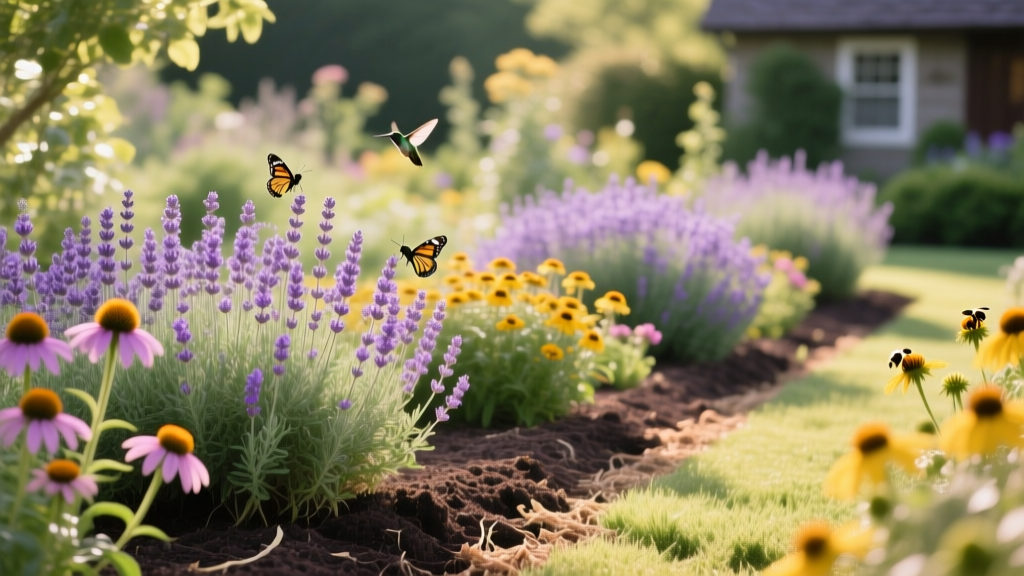
2026 Cottage Garden Design: Lavender & Coneflower Borders
Mike RodriguezPublished
The Resurgence of the Pollinator-Friendly Cottage Garden in 2026
The classic English cottage garden has long been celebrated for its romantic, seemingly chaotic abundance of color and texture. However, as we move through 2026, the modern interpretation of this beloved landscaping style has shifted dramatically. Today's homeowners and landscape architects are no longer satisfied with purely ornamental displays; there is a profound demand for ecological function. The contemporary cottage garden must work as hard as it looks, serving as a vital sanctuary for declining pollinator populations while maintaining the lush, layered aesthetic that defines the style. At the forefront of this movement is the strategic use of lavender and coneflower borders, a powerhouse combination that delivers continuous blooms, exceptional drought tolerance, and critical habitat for native bees, butterflies, and beneficial insects.
In 2026, sustainable landscaping is not just a buzzword—it is the baseline standard for responsible garden design. With shifting climate patterns bringing hotter, drier summers to many regions, selecting deep-rooted, water-wise perennials is essential. Lavender (Lavandula) and coneflowers (Echinacea) perfectly bridge the gap between old-world charm and modern ecological stewardship. By integrating these two genera into your garden borders, you create a dynamic, low-maintenance landscape that thrives under current environmental pressures while supporting local biodiversity.
The Ecological Importance of Continuous Bloom
One of the most critical principles of pollinator-friendly garden design is ensuring a continuous succession of blooms from early spring through late fall. Pollinators require a steady, uninterrupted food source to sustain their colonies and complete their life cycles. According to The Xerces Society for Invertebrate Conservation, habitat fragmentation and floral scarcity are primary drivers of native bee decline. By pairing early-to-mid summer blooming lavender with mid-to-late summer blooming coneflowers, you effectively eliminate the 'summer nectar gap' that often starves pollinators during the peak heat of July and August.
This sequential blooming strategy is a cornerstone of the 2026 cottage garden design philosophy. It ensures that your borders remain visually captivating and ecologically functional for a much longer portion of the growing season, maximizing the return on your landscaping investment while providing a crucial lifeline to local wildlife.
Selecting the Best Lavender Varieties for 2026
When designing a cottage garden border, English lavender (Lavandula angustifolia) remains the gold standard due to its superior cold hardiness and intense fragrance. However, not all cultivars perform equally well in the diverse microclimates of modern residential landscapes.
- 'Hidcote': A timeless, compact cultivar that reaches about 18 to 24 inches in height. Its deep violet-blue flowers are highly attractive to bumblebees. It is exceptionally cold-hardy, making it ideal for the front of the border or edging along gravel pathways.
- 'Munstead': Slightly smaller and earlier blooming than 'Hidcote', 'Munstead' is perfect for tight spaces and container integration within the cottage garden layout.
- 'Phenomenal': Introduced to combat the humidity and root rot issues that plague many lavenders, 'Phenomenal' has become a staple in 2026 landscapes. It is highly resistant to foliar diseases, tolerates extreme heat, and produces massive flower spikes that draw swarms of honeybees and native solitary bees.
When sourcing lavender, always avoid 'Spanish' or 'French' lavender varieties for pollinator borders in colder zones, as they are less hardy and often produce less accessible nectar for native bee species.
Choosing the Right Coneflowers for Native Pollinators
The purple coneflower (Echinacea purpurea) is an iconic North American native that anchors the middle and back of the cottage garden border. While the horticultural industry has released dozens of flashy new hybrids in recent years, ecological function must dictate your choices in 2026.
Avoid Double-Flowered Hybrids: Many modern coneflower cultivars feature 'double' blooms—extra petals that replace the central, nectar-rich cone. While visually striking to humans, these flowers are essentially sterile and physically block pollinators from accessing nectar and pollen. For a true pollinator-friendly garden, always select single-flowered varieties.
- Straight Species (Echinacea purpurea): The unaltered native species is unmatched for ecological value. Its prominent, spiky central cones are perfectly adapted to the feeding mechanics of native bees and provide essential seeds for goldfinches in the autumn.
- 'Magnus': A classic, award-winning cultivar with broad, horizontal, rose-pink petals that provide an excellent landing pad for large butterflies like swallowtails and monarchs.
- 'PowWow Wild Berry': A slightly more compact variety that branches heavily, producing an overwhelming profusion of deep magenta blooms from early summer well into the fall, requiring minimal deadheading.
Step-by-Step Cottage Garden Border Design
The hallmark of a cottage garden is the illusion of effortless abundance. However, achieving this look in 2026 requires meticulous planning, particularly regarding spacing, layering, and hardscaping integration.
Spacing and Layering Techniques
Unlike formal gardens that rely on rigid rows and symmetrical spacing, cottage garden borders should be planted in 'drifts'—organic, sweeping curves that mimic natural plant communities. Plant lavender in sweeping drifts along the sunniest, front edges of the border where their low profile (1.5 to 2 feet) won't obscure the plants behind them. Position the taller coneflowers (3 to 4 feet) in the middle to back of the border, interwoven with ornamental grasses like Little Bluestem (Schizachyrium scoparium) to provide structural support and winter interest.
Integrating Hardscaping and Pathways
To fully realize the cottage garden aesthetic, integrate permeable hardscaping materials. Winding pathways made of crushed decomposed granite or reclaimed clay brick not only enhance the rustic charm but also serve a functional purpose. Gravel pathways reflect heat and improve surface drainage, creating the exact arid microclimate that lavender roots demand. Avoid solid concrete or impermeable pavers near your lavender borders, as the resulting runoff can lead to fatal root rot.
Plant Profile Comparison Chart
| Trait | Lavender (L. angustifolia) | Coneflower (E. purpurea) |
|---|---|---|
| Bloom Time | Early to Mid-Summer | Mid-Summer to Early Fall |
| Mature Height | 1.5 to 2.5 feet | 2.5 to 4.0 feet |
| Water Needs | Very Low (Drought Tolerant) | Low to Moderate |
| Primary Pollinators | Bumblebees, Honeybees, Butterflies | Native Solitary Bees, Swallowtails, Beetles |
| Soil Preference | Sandy, Rocky, Alkaline, Well-Draining | Loamy, Adaptable, Neutral to Slightly Acidic |
| Winter Interest | Silver-Green Foliage (Evergreen in mild zones) | Spiky Seed Heads (Bird Forage) |
Soil Preparation and Sustainable Mulching
The most common cause of failure in cottage garden borders is improper soil preparation, particularly regarding drainage. According to the National Wildlife Federation's Garden for Wildlife guidelines, native and adapted perennials generally require minimal soil amendment, thriving best in conditions that mimic their natural habitats.
For Lavender: Lavender absolutely despises 'wet feet.' If your garden has heavy clay soil, you must amend the planting area with coarse builder's sand, small gravel, and a modest amount of compost to improve porosity. In 2026, many sustainable landscapers are incorporating horticultural biochar into the soil mix to improve drainage, retain nutrients, and sequester carbon without altering the soil's naturally low fertility, which lavender prefers.
For Coneflowers: Coneflowers are far more forgiving and will tolerate a wider range of soil types, including average clay, provided they are not submerged in standing water. They prefer a neutral to slightly acidic pH, whereas lavender leans alkaline. This is why it is crucial to plant them in distinct zones within your border rather than mixing their root balls directly together.
The Mulching Rule: Never use shredded hardwood bark or wood chips around lavender. Wood mulch traps moisture against the crown of the plant, inviting fungal pathogens and rot. Instead, use a 2-inch layer of crushed gravel, pea stone, or coarse sand as mulch for your lavender drifts. Coneflowers, conversely, benefit from a light layer of organic compost or shredded leaves, which helps retain moisture during peak summer heat.
Seasonal Maintenance and Overwintering
Maintaining a pollinator-friendly cottage garden requires a departure from the 'clean slate' mentality of traditional landscaping. The ecological health of your garden depends on leaving certain elements undisturbed.
Spring Pruning and Care
In early spring, once the threat of severe frost has passed, prune your lavender. Cut back the previous year's growth by about one-third to maintain a compact, woody base and encourage vigorous new flowering shoots. Crucial Tip: Never prune lavender down into the old, leafless, woody stems at the base of the plant; it will not regenerate from old wood and the plant will likely die. For coneflowers, simply clear away any heavily diseased debris, but leave the basal rosettes of new green growth intact.
Fall and Winter Habitat Preservation
As autumn arrives, the urge to cut back dead flower stalks and 'tidy up' the garden can be overwhelming. Resist this urge. The USDA Forest Service Pollinator Initiative strongly advocates for leaving plant stems and seed heads standing throughout the winter. The spiky, dried cones of the Echinacea provide a vital, high-fat food source for overwintering birds like the American Goldfinch and Chickadees. Furthermore, the hollow stems of various perennials and grasses surrounding your border serve as essential overwintering shelters for native bee larvae and beneficial predatory insects.
By delaying your major border cleanup until late spring—when daytime temperatures consistently exceed 50°F (10°C)—you ensure that the pollinators sheltering in your garden are able to emerge naturally and safely, completing the ecological cycle that makes the 2026 cottage garden so profoundly rewarding.

