
Landscaping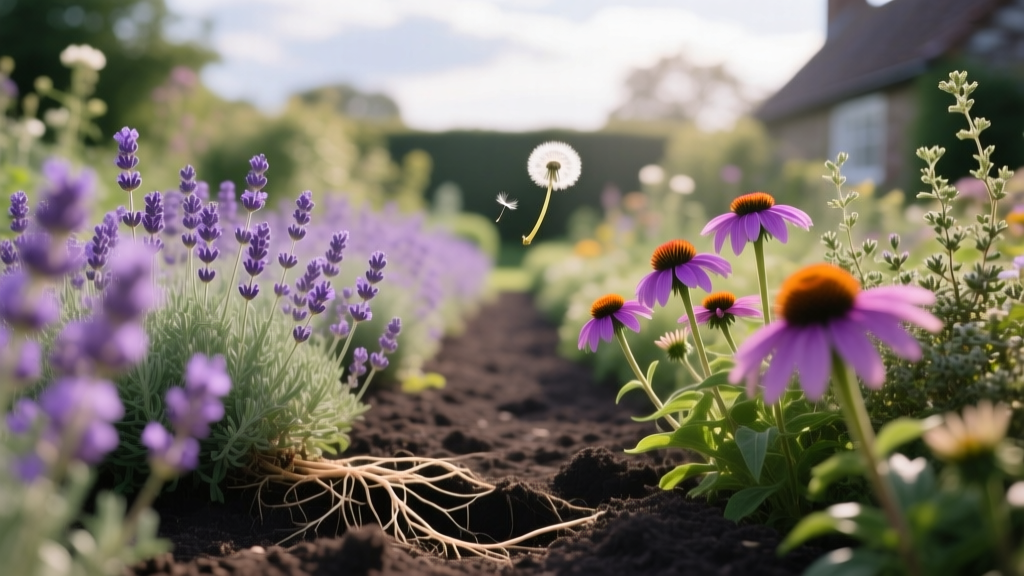
2026 Cottage Garden Borders: Core Aeration for Lavender & Coneflowers
Lisa ThompsonPublished
The Hidden Foundation of the Modern Cottage Garden
As we navigate the landscaping trends of 2026, the romantic, overflowing aesthetic of the English cottage garden remains a top choice for homeowners seeking to boost curb appeal and support local pollinators. However, the modern approach to cottage garden design has shifted dramatically toward ecological resilience and regenerative soil practices. When designing vibrant borders featuring Mediterranean staples like lavender (Lavandula angustifolia) and prairie natives like purple coneflower (Echinacea purpurea), the secret to long-term success lies beneath the surface. While most gardeners focus on plant spacing and sunlight, the most critical step in establishing these drought-tolerant perennials is addressing soil compaction through targeted core aeration techniques.
Historically, core aeration has been viewed strictly as a lawn care practice. Yet, in 2026, advanced landscaping methodologies recognize that the transition zones between turfgrass and garden beds—and the beds themselves—suffer from severe soil compaction. This compaction is often caused by years of foot traffic, heavy mower wheels edging the lawn, and natural soil settling. For deep-rooted perennials and moisture-sensitive shrubs, compacted soil is a silent killer. By adapting core aeration principles for garden bed preparation, you can create the loose, well-draining, and oxygen-rich environment that lavender and coneflowers require to thrive.
Bridging Lawn Care and Garden Design: The Core Aeration Connection
When expanding a lawn edge to create a new cottage garden border, you are typically working with some of the most compacted soil on your property. The University of Minnesota Extension notes that soil compaction reduces pore space, severely limiting water infiltration and root penetration. In a traditional lawn setting, a gas-powered core aerator pulls physical plugs of soil to the surface, relieving this pressure. In a garden bed setting, heavy machinery is impractical and destructive to soil structure. Therefore, we adapt the principle of core aeration using manual and liquid methods to achieve the same biological and physical benefits without destroying the delicate soil food web.
The Perils of Compacted Soil for Mediterranean and Prairie Natives
Understanding the root dynamics of your chosen plants is essential. Lavender is notoriously susceptible to root rot. It demands sharp drainage and highly aerated soil. If planted in heavy, compacted clay that holds water, lavender will quickly succumb to fungal pathogens, regardless of how much sunlight it receives. Conversely, purple coneflower relies on a deep, extensive taproot to survive the intense summer droughts that have become increasingly common in recent years. According to the NC State Extension Plant Database, Echinacea purpurea requires well-drained soils to establish its deep root system, which can extend several feet underground in search of moisture. If a hardpan layer of compacted soil exists just a few inches below the surface, the taproot will deflect, stunt, or rot, leaving the plant vulnerable to heat stress.
Step-by-Step Soil Aeration for Cottage Garden Borders
To prepare your border for a lush mix of lavender and coneflowers, follow this modern, no-till aeration protocol designed to preserve soil microbiology while eliminating compaction.
Step 1: The Compaction Assessment
Before breaking ground, perform a simple screwdriver test. Push a standard 6-inch screwdriver into the soil. If you cannot push it in to the handle with moderate body weight, your soil is critically compacted and requires immediate aeration before planting.
Step 2: Manual Core Extraction and Broadforking
Avoid using rototillers. Tilling destroys soil aggregates, brings dormant weed seeds to the surface, and severs beneficial mycorrhizal fungal networks. Instead, use a manual broadfork or a stand-on manual core aerator.
- Broadforking: Insert the tines of a broadfork into the soil and gently rock the handles back toward you. This fractures the compacted layers deep underground, creating massive vertical channels for air and water without turning the soil over.
- Manual Coring: For tighter border spaces near existing lawn edges, use a step-on manual core aerator to pull actual 3-inch plugs of soil. Leave these plugs on the surface to break down naturally over the next few weeks, returning beneficial microbes to the topsoil.
Step 3: Filling the Voids (Topdressing)
Once the soil is fractured and cores are removed, you must keep those channels open. Sweep a mixture of coarse horticultural sand and high-quality screened compost into the aeration holes. This mimics the topdressing process used on premium golf courses, ensuring that the newly created pore spaces remain permanently aerated and well-draining—exactly what the NC State Extension Lavender Guide recommends for optimal Lavandula health.
2026 Tool Recommendations for Border Aeration
The market for ergonomic, soil-friendly landscaping tools has expanded significantly. For the 2026 season, we recommend the following tools for cottage garden bed preparation:
- Radius Garden 203 PRO Broadfork: Featuring an ergonomic curved shaft that reduces back strain, this tool is ideal for fracturing deep clay layers in new garden beds before planting coneflowers.
- Yard Butler Liquid Core Aerator: For established borders where you cannot use mechanical tools without damaging existing perennial roots, liquid aeration is the 2026 standard. This tool attaches to your hose and injects a soil-surfactant solution that breaks down surface tension, allowing water and oxygen to penetrate compacted zones chemically rather than mechanically.
- True Temper 4-Tine Forged Digging Fork: A budget-friendly alternative for smaller border pockets, perfect for localized aeration around the base of established lavender shrubs.
Planting Strategy: Lavender and Coneflower Pairings
Once your soil is properly aerated and amended, you can begin planting. The visual contrast between the silvery, fine-textured foliage of lavender and the coarse, dark green leaves of the coneflower creates a stunning cottage garden aesthetic. Furthermore, their staggered blooming times ensure a continuous nectar source for pollinators from early summer through the first autumn frost.
| Feature | Lavender (Lavandula angustifolia) | Coneflower (Echinacea purpurea) |
|---|---|---|
| Soil Drainage | Excellent; requires sharp drainage | Good; tolerates average drainage |
| Aeration Depth Needed | Top 12 inches (fibrous root zone) | Top 18-24 inches (deep taproot zone) |
| Soil pH Preference | 6.5 to 7.5 (slightly alkaline) | 6.0 to 7.0 (slightly acidic to neutral) |
| Compaction Tolerance | None (highly susceptible to rot) | Low (taproot deflection occurs) |
| Post-Aeration Amendment | Coarse sand, gravel, minimal compost | Rich organic compost, loam |
Spacing and Placement
Plant lavender in the front or middle of the border where it will receive maximum sun exposure and heat reflection from hardscaping elements. Space plants 18 to 24 inches apart to ensure adequate airflow, which prevents foliar diseases. Place coneflowers toward the back or center of the bed, spacing them 12 to 18 inches apart. Because coneflowers are native to prairies, they are highly competitive and will readily fill in the gaps between the slower-growing lavender shrubs.
Maintaining the Borders Through the Seasons
Aeration is not a one-time event; it is an ongoing component of soil management. To maintain the structural integrity of your cottage garden borders in 2026 and beyond, implement the following maintenance routines:
- Annual Liquid Aeration: Every early spring, apply a liquid soil aerator (containing humic and fulvic acids) to the borders. This encourages earthworm activity and keeps soil particles from binding back together into hardpan layers.
- Mulching with Gravel: While shredded hardwood mulch is common, it retains too much moisture for lavender. Instead, use a 1-inch layer of crushed pea gravel or decomposed granite around the base of the lavender. This suppresses weeds, reflects heat, and allows rain to penetrate instantly without compacting the soil surface.
- Establish Dedicated Pathways: The primary cause of soil re-compaction in garden beds is foot traffic. Install stepping stones or permeable paver pathways along your borders to ensure you never have to step directly onto the planting soil to perform weeding or deadheading.
Conclusion
Designing a breathtaking cottage garden border with lavender and coneflowers requires more than just an eye for color and texture. By embracing core aeration techniques adapted for garden beds, you address the foundational health of your soil. Relieving compaction, increasing oxygen flow, and ensuring rapid drainage will transform your landscape from a struggling planting zone into a vibrant, resilient ecosystem. As the 2026 gardening season unfolds, let the health of your soil dictate the beauty of your blooms, ensuring your cottage garden remains a pollinator haven and a visual masterpiece for years to come.

