
Landscaping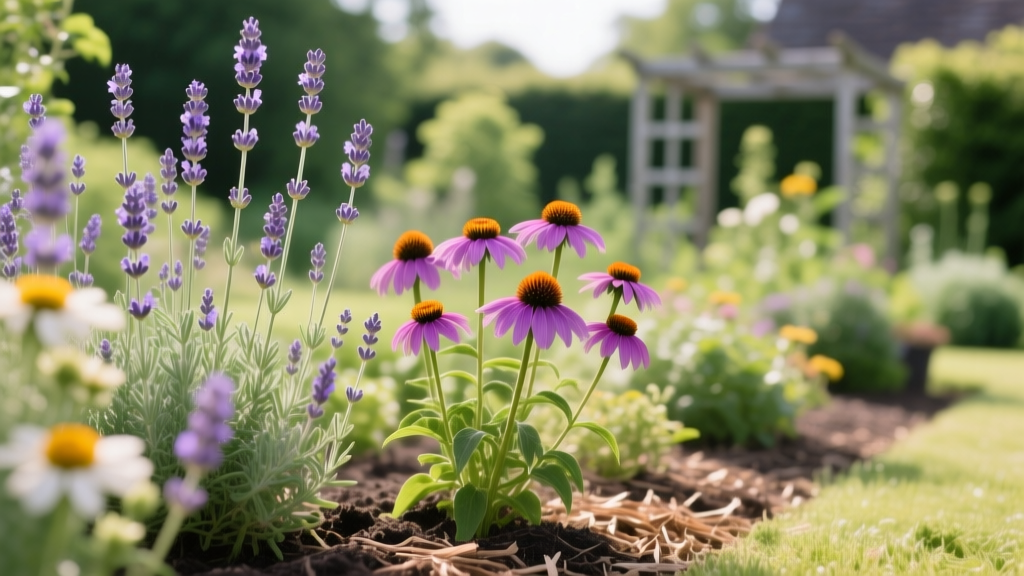
Cottage Garden Fertilizer Guide 2026: Lavender & Coneflower Borders
David ParkPublished
Designing and Feeding the Modern Cottage Garden in 2026
The cottage garden aesthetic remains one of the most beloved landscaping styles in 2026, characterized by its romantic, informal, and densely planted borders. Among the most iconic and reliable plant pairings for these designs are fragrant lavender (Lavandula) and vibrant purple coneflowers (Echinacea purpurea). Together, they create a stunning visual contrast, attract vital pollinators, and offer exceptional drought tolerance once established. However, the most common mistake homeowners make when establishing or maintaining these specific border plants is applying a one-size-fits-all fertilization approach. Overfeeding these resilient perennials is a fast track to disappointment, resulting in excessive foliage, weak stems, and a severe lack of blooms.
As we navigate the 2026 growing season, sustainable landscaping practices and precise soil management are at the forefront of horticultural science. Understanding the distinct nutritional requirements of Mediterranean natives like lavender and North American prairie natives like coneflowers is critical. This comprehensive guide will walk you through the exact fertilizer types, application schedules, and soil amendment strategies required to cultivate thriving, floriferous cottage garden borders this year.
The Philosophy of 'Lean' Feeding for Cottage Borders
Unlike heavy-feeding annuals or vegetable gardens, the cornerstone of a successful lavender and coneflower border is 'lean' feeding. In their natural habitats, these plants thrive in soils that are relatively low in organic matter and nitrogen. When you introduce high-nitrogen synthetic fertilizers into a cottage garden bed, you force the plants to produce rapid, lush, green vegetative growth at the expense of flower production. For coneflowers, this excess nitrogen leads to tall, floppy stems that cannot support the weight of their large, daisy-like blooms, often requiring unsightly staking. For lavender, excess nitrogen and moisture-retaining organic fertilizers can lead to root rot, fungal diseases, and a diluted essential oil concentration, robbing the plant of its signature fragrance.
According to the Penn State Extension's guide on understanding fertilizer labels, the N-P-K ratio (Nitrogen, Phosphorus, Potassium) dictates plant behavior. Nitrogen (N) drives leafy growth, Phosphorus (P) supports root development and blooming, and Potassium (K) ensures overall cellular health and drought resistance. For your 2026 cottage border, your primary goal is to minimize N while providing adequate P and K to support robust root systems and prolific flowering.
Nutritional Profiles: Lavender vs. Coneflower
Lavender (Lavandula angustifolia and hybrids)
Lavender is native to the rocky, arid, and alkaline soils of the Mediterranean. It demands exceptional drainage and a soil pH between 6.5 and 7.5. Lavender requires almost no supplemental nitrogen. In fact, planting lavender in heavily amended, rich compost is often a death sentence. The Colorado State University Extension's Lavender care guide emphasizes that established lavender rarely requires any traditional fertilizer. If the soil is exceptionally poor, a light application of a low-nitrogen, high-phosphorus organic amendment in the spring is all that is needed to encourage summer blooming.
Coneflower (Echinacea purpurea)
Coneflowers are rugged prairie natives adapted to a wide range of soil conditions, though they prefer a slightly acidic to neutral pH (6.0 to 7.0). As noted by the Lady Bird Johnson Wildflower Center's Echinacea purpurea database, these plants are highly drought-tolerant and thrive on neglect. While they can handle slightly more soil fertility than lavender, they still fall into the 'low-fertility' category. A single, light application of a balanced or bloom-boosting organic fertilizer in early spring is sufficient to support their massive summer floral display.
Best Fertilizer Types for 2026
When shopping for garden center supplies in 2026, skip the synthetic, water-soluble blue crystals. Instead, look for slow-release, organic amendments that improve soil biology without flooding the root zone with salts and nitrogen.
- Bone Meal (N-P-K 3-15-0): An excellent source of phosphorus and calcium. It promotes deep root growth and abundant flower set without encouraging weak, leafy growth. Ideal for both lavender and coneflowers.
- Kelp Meal or Liquid Seaweed (N-P-K 1-0-2): Packed with essential trace minerals, micronutrients, and natural growth hormones. Kelp helps plants withstand the heat stress and drought conditions common in mid-summer.
- Compost Top-Dressing: A half-inch layer of well-aged, screened compost applied in early spring provides a gentle, slow-release nutrient profile and supports beneficial soil microbes.
- Mycorrhizal Fungi Inoculants: While not a traditional fertilizer, adding mycorrhizae to the planting hole or root zone in 2026 is a game-changer. These symbiotic fungi extend the plant's root system, drastically improving water and phosphorus uptake in lean soils.
The 2026 Fertilizer Application Schedule & Chart
Timing is just as important as the product you choose. Applying fertilizer too late in the season can stimulate tender new growth that will be killed by autumn frosts. Below is the recommended 2026 feeding schedule for a mixed lavender and coneflower border.
| Plant Species | Ideal N-P-K Ratio | Best Fertilizer Type | Application Timing (2026) | Application Rate & Method |
|---|---|---|---|---|
| Lavender (Lavandula) | 3-15-0 or 0-10-10 | Bone Meal & Kelp Extract | Early Spring (April) | 1 tbsp bone meal per plant; scratch lightly into topsoil. Avoid the crown. |
| Coneflower (Echinacea) | 5-10-5 or 3-15-0 | Granular Organic Bloom Booster | Mid-Spring (May) | 1/4 cup per square foot; water in deeply after application. |
| Border-Wide Soil Prep | N/A (Focus on Biology) | Mycorrhizal Fungi & Compost | Early Spring or Fall Planting | 1/2 inch compost top-dress; apply fungi directly to roots during planting. |
Spring Awakening (April - May)
As new basal growth emerges from the ground, this is your primary window for fertilization. For coneflowers, apply a granular organic bloom booster around the drip line of the plant, gently scratching it into the top inch of soil, and water thoroughly. For lavender, a single tablespoon of bone meal scattered around the base (keeping it away from the woody crown to prevent rot) is all that is required for the entire year.
Summer Maintenance (June - August)
Do not fertilize during the peak heat of summer. Instead, focus on deadheading spent coneflower blooms to encourage a secondary, albeit smaller, fall flush. Lavender should be harvested or deadheaded just as the flowers begin to open for maximum essential oil potency. If plants look stressed from severe drought, a foliar spray of diluted liquid kelp in the early morning can provide trace minerals and stress relief without overloading the soil with nitrogen.
Autumn and Winter Prep (September - November)
Stop all fertilization by late August. Allow the plants to harden off for winter. In late fall, after the first hard frost, you can cut back coneflower foliage (or leave the seed heads for winter bird foraging, a highly recommended sustainable practice). Lavender should only be lightly pruned to shape; never cut into the old, woody stems. Do not apply compost or mulch directly over the lavender crown in winter, as trapped moisture will cause fatal fungal infections.
Soil Testing and Amendment Strategies
Before broadcasting any amendments across your cottage garden border, it is highly recommended to conduct a soil test. In 2026, local university extension offices and private agronomy labs offer comprehensive soil panels for under $30. A soil test will reveal your exact pH and baseline nutrient levels. If your soil pH is below 6.5, your lavender will struggle to absorb nutrients, leading to chlorosis (yellowing leaves). In this case, applying pelletized garden lime in the fall or early spring is a more critical 'fertilizing' step than adding N-P-K. Conversely, if your soil is heavy clay, no amount of fertilizer will save these plants from root asphyxiation. You must amend the bed with expanded shale, coarse horticultural sand, or pea gravel to ensure rapid drainage.
Mulching: The Hidden Fertilizer
The type of mulch you use in a cottage garden border acts as a slow-release soil amendment and drastically affects soil fertility and moisture retention. For coneflowers, a standard 2-inch layer of shredded hardwood bark or leaf mold is perfect; as it breaks down, it adds a gentle amount of organic matter to the soil. Lavender, however, requires a different approach. Mulching lavender with organic wood chips traps moisture against the woody crown and invites stem rot. Instead, use an inorganic mulch of crushed gravel, pea stone, or coarse sand around lavender plants. This reflects sunlight back up into the plant canopy, increases local heat (which lavender loves), and keeps the crown perfectly dry.
Common Fertilizing Mistakes to Avoid
- The 'Miracle-Gro' Effect: Applying high-nitrogen, water-soluble synthetic fertilizers will result in massive, dark green coneflower plants that fall over in the first summer breeze, and lavender plants that smell like grass instead of perfume.
- Over-Mulching with Compost: Burying the crowns of your perennials in rich compost will smother them. Always leave a 2-inch gap between any soil amendment and the base of the plant stems.
- Ignoring Drainage for Fertility: Gardeners often mistake the yellowing leaves of waterlogged lavender for a nitrogen deficiency, leading them to add more fertilizer. In reality, the roots are suffocating. Always address drainage before addressing nutrition.
- Late-Season Feeding: Applying fertilizer in September or October forces tender growth that will not survive the winter freeze, compromising the plant's vitality for the following spring.
Conclusion
Creating a breathtaking cottage garden border with lavender and coneflowers in 2026 is less about what you add to the soil, and more about what you withhold. By embracing a lean feeding philosophy, utilizing targeted organic amendments like bone meal and kelp, and respecting the distinct evolutionary backgrounds of these two incredible perennials, you will be rewarded with a resilient, pollinator-friendly landscape. Stick to the schedule, prioritize soil drainage, and let these rugged beauties thrive on a little bit of neglect.

