Pest Control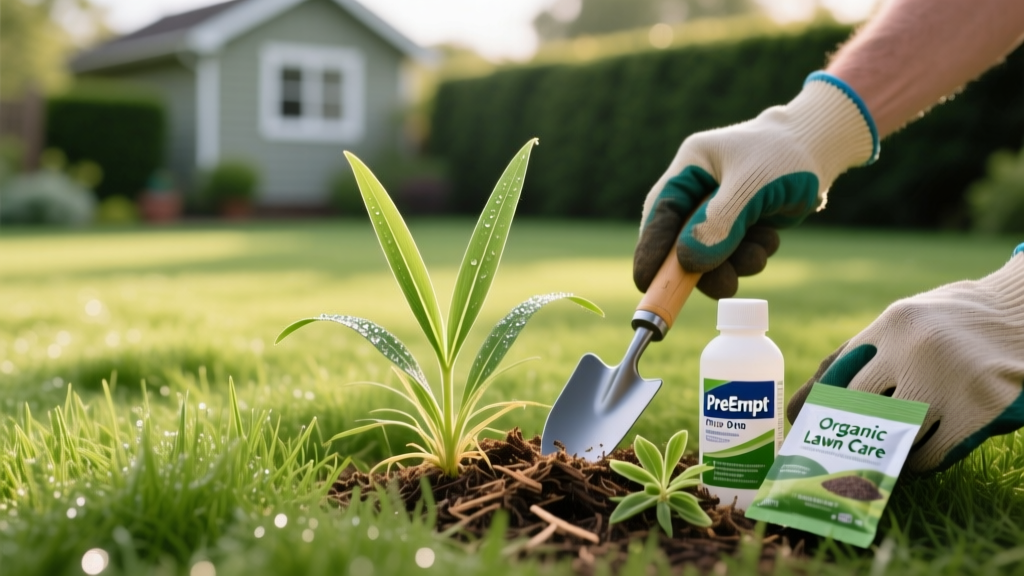
Crabgrass Weed Identification and Complete Removal Guide
James MillerPublished
Understanding the Enemy: What is Crabgrass?
Crabgrass is one of the most notorious and frustrating annual weed pests that plague home lawns across the United States. As a summer annual, it thrives in hot, dry conditions where traditional cool-season turfgrasses struggle. Unlike broadleaf weeds, crabgrass is a grassy weed, meaning it shares similar biological characteristics with your desired lawn, making selective chemical control more challenging. In the context of Integrated Pest Management (IPM), crabgrass is viewed not just as an aesthetic nuisance, but as an aggressive competitor that steals water, nutrients, and sunlight from your turf. According to the United States Department of Agriculture (USDA), invasive and aggressive weeds like crabgrass can severely degrade the ecological balance of a home landscape if left unchecked.
Successfully managing this weed requires a multi-pronged approach. You must understand how to identify it, track its life cycle, apply targeted chemical or organic controls, and foster a lawn environment where crabgrass seeds simply cannot survive. This comprehensive guide will walk you through every step of crabgrass identification and removal.
Visual Identification: Spotting Crabgrass in Your Turf
Before you can treat crabgrass, you must accurately identify it. Many homeowners confuse crabgrass with other grassy weeds like quackgrass, goosegrass, or even desirable grass species that have gone to seed. Here are the key identifying features of crabgrass (Digitaria species):
- Color and Texture: Crabgrass typically exhibits a lighter, more yellowish-green hue compared to the deep, rich green of a healthy fescue or Kentucky bluegrass lawn. The blades are wider and coarser than most turfgrasses.
- Growth Habit: True to its name, crabgrass grows in a low, sprawling, star-shaped pattern. It branches out from a central root node, spreading horizontally across the soil surface rather than growing upright.
- The Ligule: If you pull a blade away from the stem and look at the collar region (where the blade meets the sheath), crabgrass features a distinct, membranous, jagged ligule. It lacks auricles (the claw-like appendages found on some other grassy weeds).
- Seed Heads: In late summer, crabgrass produces distinctive seed heads that look like two to six finger-like spikes radiating from a single point atop a slender stem. A single plant can produce up to 150,000 seeds in one season.
The Crabgrass Life Cycle: Timing is Everything
Because crabgrass is an annual, it completes its entire life cycle in one growing season. It germinates in the spring, grows aggressively during the heat of summer, drops seeds in late summer or early fall, and dies with the first hard frost of winter. The key to IPM is disrupting this cycle before the plant can reproduce.
Germination is triggered by soil temperature, not air temperature. Crabgrass seeds begin to germinate when the soil temperature at a 2-inch depth reaches 55°F to 60°F for three to five consecutive days. In many northern climates, this coincides with the blooming of Forsythia bushes and the fading of spring dogwoods. Once the soil warms, a flush of germination occurs, making this the critical window for pre-emergent herbicide applications.
Pre-Emergent Herbicides: The First Line of Defense
The most effective and cost-efficient way to control crabgrass is to stop it before it ever breaks the soil surface. Pre-emergent herbicides create a microscopic chemical barrier in the top inch of the soil. When the crabgrass seed germinates and the tiny shoot pushes through this barrier, it absorbs the herbicide and dies before it can establish a root system.
Top Pre-Emergent Active Ingredients
- Prodiamine (e.g., Barricade): A highly effective, long-lasting pre-emergent. It provides excellent season-long control but can inhibit the root development of newly seeded desirable grass. You must wait several months after application before overseeding your lawn.
- Dithiopyr (e.g., Dimension): A versatile pre-emergent that offers a unique advantage: it has early post-emergent activity. If you miss the initial germination window and crabgrass has just sprouted (up to the 1-leaf stage), Dithiopyr will still kill it. It also has a shorter soil residual, allowing for fall overseeding sooner than Prodiamine.
Application Best Practices
Apply your pre-emergent granular or liquid product evenly using a calibrated broadcast sprayer or spreader. Crucially, pre-emergents must be watered into the soil with about 0.5 inches of irrigation or rainfall within 48 hours of application to activate the chemical barrier. Disturbing the soil through heavy raking or core aeration after application will break the barrier and allow weeds to penetrate.
Post-Emergent Control: Eradicating Active Crabgrass
If you missed the pre-emergent window, or if a heatwave and heavy rain broke your chemical barrier, you will need to deal with actively growing crabgrass. Post-emergent control is more difficult, more expensive, and can stress your desirable turf.
Selective Chemical Control
The gold standard for post-emergent crabgrass control is Quinclorac (often found in professional products like Drive XLR8 or consumer-grade weed killers labeled for crabgrass). Quinclorac is a systemic herbicide that mimics plant hormones, causing the crabgrass to grow itself to death. It is highly effective but requires careful application. It often takes two to three applications, spaced 14 to 21 days apart, to completely kill mature crabgrass plants. Always use a non-ionic surfactant when applying liquid Quinclorac to ensure the herbicide sticks to the waxy, hairy leaves of the weed.
For safety and environmental stewardship, always follow the Environmental Protection Agency (EPA) guidelines regarding pesticide application, protective gear, and keeping pets and children off treated lawns until the product is completely dry.
Herbicide Comparison Chart
Choosing the right chemical tool depends on the time of year and the growth stage of the weed. Use the table below to guide your purchasing and application timing.
| Active Ingredient | Trade Name Example | Application Timing | Target Stage | Overseeding Restriction |
|---|---|---|---|---|
| Prodiamine | Barricade | Early Spring (Soil 55F) | Pre-emergent | 4 to 6 months |
| Dithiopyr | Dimension | Spring to Early Summer | Pre & Early Post (1-leaf) | 2 to 3 months |
| Quinclorac | Drive XLR8 | Summer to Early Fall | Post-emergent (Active growth) | 7 to 28 days |
Manual and Organic Removal Methods
For homeowners committed to organic lawn care, or for those dealing with isolated patches of crabgrass, manual and natural methods are viable IPM strategies.
- Manual Pulling: If the infestation is light, hand-pulling is highly effective. Crabgrass has a shallow, fibrous root system with a central taproot. Use a stand-up weeding tool or a hand trowel to ensure you extract the central node. If you pull it before the seed heads form in late summer, you prevent thousands of future weeds. If seed heads are present, carefully bag the plant to avoid spreading seeds across the lawn.
- Horticultural Vinegar: Organic herbicides containing 20% to 30% acetic acid (horticultural vinegar) act as non-selective contact burn-downs. They will destroy the foliage of crabgrass but will also kill your desirable turf if sprayed carelessly. This method requires repeated applications and works best on young, tender crabgrass plants.
- Boiling Water: Pouring boiling water directly onto the crown of a crabgrass plant will cook the plant and its shallow roots. This is an excellent, zero-chemical spot treatment for weeds growing in driveway cracks or along sidewalk edges.
Cultural Practices: Starving Crabgrass Naturally
The core philosophy of Integrated Pest Management is that a healthy, vigorous lawn is the best defense against weed pests. Crabgrass is an opportunistic weed; it requires sunlight hitting the soil surface to germinate and thrive. If your turf is thick and tall, crabgrass seeds remain dormant or die off in the shade.
Mowing Height
One of the most common mistakes homeowners make is scalping their lawn. Mowing cool-season grasses too short (under 2 inches) opens the canopy, allowing sunlight to reach the soil and trigger crabgrass germination. Raise your mower deck to cut your turf at 3.5 to 4 inches. Research from the University of Minnesota Extension confirms that taller mowing heights significantly reduce crabgrass populations by shading out weed seedlings.
Deep and Infrequent Watering
Crabgrass has a shallow root system and thrives in lawns that are watered frequently and lightly. Train your desirable turf to develop deep roots by watering deeply and infrequently—aiming for 1 to 1.5 inches of water per week, applied in one or two sessions. This encourages deep turf roots while leaving the top layer of soil relatively dry, which discourages shallow-rooted crabgrass.
Soil Aeration and Overseeding
Compacted soil favors crabgrass over desirable turfgrasses. Perform core aeration in the early fall to relieve soil compaction, improve water infiltration, and break up thatch. Immediately follow aeration with overseeding using a high-quality, region-appropriate grass seed blend. By filling in bare spots and thin areas in the fall, you ensure that your lawn is thick and competitive before the crabgrass germination window opens the following spring.
Conclusion
Eradicating crabgrass requires patience, precise timing, and a commitment to holistic lawn care. By accurately identifying the weed, utilizing pre-emergent herbicides at the correct soil temperatures, and maintaining a thick, tall, and deeply watered turf, you can starve crabgrass out of your landscape. Whether you opt for advanced chemical controls like Prodiamine and Quinclorac or prefer manual extraction and organic methods, consistency in your Integrated Pest Management strategy will reward you with a pristine, weed-free lawn year after year.