
Landscaping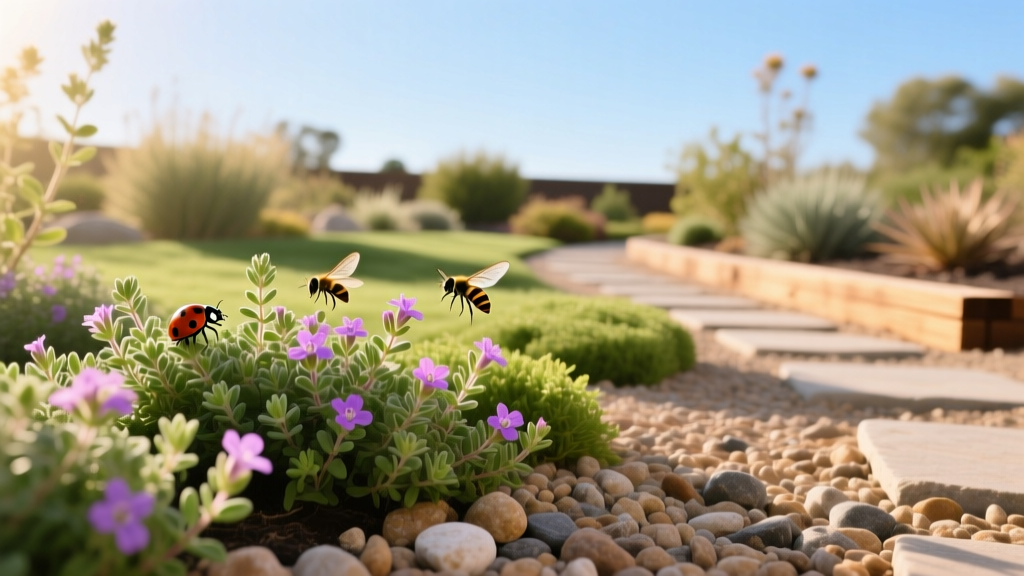
2026 Gravel Garden Design: Creeping Thyme For Bio-Control
Sarah ChenPublished
The Rise of the Bio-Control Gravel Garden in 2026
As climate resilience and sustainable landscaping dominate horticultural trends in 2026, homeowners are increasingly turning away from resource-heavy turfgrass and chemical-dependent ornamental beds. One of the most effective, visually striking, and ecologically profound alternatives is the gravel garden planted with creeping thyme (Thymus serpyllum and Thymus praecox). While often praised for its drought tolerance and low maintenance, the true power of this design lies in its capacity for biological control. By intentionally designing a gravel and thyme landscape, you create a permanent, year-round insectary that recruits and sustains beneficial insects, providing natural pest management for your entire property.
Biological control, or bio-control, is the cornerstone of modern Integrated Pest Management. According to the IPM principles established by the EPA, fostering natural predators reduces the need for synthetic interventions, protecting local watersheds and soil microbiomes. Instead of viewing the garden as a sterile canvas that must be defended with pesticides, a bio-control approach fosters a balanced ecosystem where predatory and parasitic insects keep herbivorous pest populations in check. A gravel garden interplanted with creeping thyme is uniquely suited for this mission, offering both the structural habitat and the floral resources required by a diverse army of natural enemies.
Why Creeping Thyme and Gravel Create the Ultimate Insectary
To understand why this specific combination is so effective in 2026 landscape architecture, we must look at the habitat requirements of beneficial arthropods. Most predatory insects require two distinct elements to thrive: a place to overwinter and hunt, and a source of nectar and pollen to fuel their adult stages. The gravel and thyme garden provides a perfect dual-layer habitat that addresses both needs simultaneously.
The Floral Layer: Creeping Thyme
Creeping thyme produces thousands of tiny, shallow flowers from late spring through mid-summer. Unlike deep, tubular flowers that only accommodate long-tongued bees, the exposed nectaries of thyme are perfectly accessible to small, short-mouthed beneficial insects. Parasitic wasps (such as Braconidae and Ichneumonidae), hoverflies (Syrphidae), and minute pirate bugs rely heavily on these shallow floral resources. Without nectar, adult parasitic wasps cannot survive long enough to lay their eggs inside destructive caterpillars and aphids. By carpeting your garden in thyme, you provide a massive, season-long fueling station for these vital bio-control agents.
The Structural Layer: Angular Gravel
Beneath the thyme, the gravel layer serves a completely different but equally crucial ecological function. Angular crushed gravel, specifically in the 3/8-inch to 1/2-inch size range, creates a matrix of deep, stable crevices. These spaces provide excellent drainage, preventing the thyme roots from rotting, but they also offer secure overwintering refuges for ground-dwelling predators. Ground beetles (Carabidae), which are voracious consumers of slugs, snails, and cutworms, require the thermal mass and physical protection of gravel to survive the winter and hunt effectively at night. Furthermore, the gravel layer acts as a physical barrier that deters soft-bodied pests from crossing into your prized ornamental beds, while simultaneously sheltering the beetles that hunt them.
Key Beneficial Insects Supported by This Design
When you install a creeping thyme gravel garden, you are essentially building a biological control bank. The following table outlines the primary beneficial insects this specific habitat attracts and the pests they manage in the surrounding landscape.
| Beneficial Insect | Target Pests Controlled | Habitat Need Met by Gravel/Thyme |
|---|---|---|
| Hoverflies (Syrphidae) | Aphids, mealybugs, scale insects | Thyme nectar for adults; larvae hunt in nearby beds |
| Parasitic Wasps (Braconidae) | Caterpillars, tomato hornworms, webworms | Shallow thyme flowers provide essential adult fuel |
| Ground Beetles (Carabidae) | Slugs, snails, cutworms, root maggots | Gravel crevices provide daytime shelter and overwintering sites |
| Minute Pirate Bugs | Thrips, spider mites, aphid eggs | Dense thyme canopy offers humidity and hunting grounds |
| Wolf Spiders | Flea beetles, leafhoppers, grubs | Angular gravel provides structural hunting pathways |
Step-by-Step 2026 Installation Guide for Maximum Bio-Control
Creating a gravel garden that functions as a bio-control hub requires careful planning and execution. The 2026 standards for sustainable landscaping emphasize soil health and the complete avoidance of pre-emergent herbicides, which can devastate ground-dwelling predator populations.
1. Site Preparation and Weed Eradication
Begin by clearing the area of existing turf or weeds. In 2026, the gold standard for site prep is occultation or solarization, rather than chemical eradication. Cover the site with heavy-duty silage tarps or overlapping corrugated cardboard for 6 to 8 weeks. This method preserves the soil food web and ensures that when you introduce your beneficial insects, they are not exposed to residual systemic chemicals that could impair their reproductive cycles.
2. Selecting and Sizing the Gravel
The type of gravel you choose directly impacts the habitat quality for ground beetles and spiders. Avoid smooth, rounded river rock, as it compacts and leaves little room for insect movement or water percolation. Instead, opt for 3/8-inch to 1/2-inch angular crushed granite, basalt, or limestone. The sharp edges lock together, creating stable, long-lasting crevices. Apply a 2-inch to 3-inch layer of gravel over the prepared soil. Do not use landscape fabric beneath the gravel, as it blocks ground-nesting native bees and prevents predatory beetles from accessing the soil layer to hunt grubs and pupating pests.
3. Planting and Spacing Your Thyme
Select low-growing, highly floriferous varieties of creeping thyme. 'Elfin', 'Pink Chintz', and 'Reiter' are top choices for bio-control gardens due to their dense mat-forming habits and prolific blooming. Space your starter plugs 12 to 18 inches apart. In the first year, you will need to pull the gravel back slightly around the base of each plug to allow the roots to establish in the soil below. Once the thyme fills in, it will knit together, creating a continuous floral canopy over the gravel matrix.
Integrating Your Gravel Garden with Broader Landscape IPM
A creeping thyme gravel garden does not exist in isolation; it acts as a "banker plant" system for your entire property. According to research on natural enemies and biological control from UC ANR, beneficial insects require a stable, undisturbed habitat adjacent to the crops or ornamentals they are meant to protect. By placing your thyme and gravel garden as a border around vegetable patches, rose gardens, or fruiting shrubs, you create a perimeter defense. When aphid populations spike in your vegetable garden, the hoverflies and parasitic wasps living in your adjacent thyme carpet will immediately migrate to the food source, lay their eggs, and crash the pest population before it causes significant damage.
This concept of perimeter insectaries is heavily promoted by organizations like the Xerces Society for Invertebrate Conservation, which advocates for permanent, pesticide-free zones that anchor beneficial insect populations even when surrounding seasonal crops are rotated or die back in the winter.
Maintenance Rules to Protect Your Bio-Control Agents
Maintaining a bio-control gravel garden requires a shift in mindset. The goal is not pristine perfection, but ecological function.
- Avoid All Broad-Spectrum Pesticides: Never use neonicotinoids or pyrethroids near your gravel garden. Even organic sprays like neem oil or spinosad can harm beneficial insects if applied indiscriminately. Trust the predators you have recruited to handle minor pest outbreaks.
- Embrace Strategic "Mess": While the gravel and thyme look incredibly tidy, consider leaving small, undisturbed patches of leaf litter or hollow stems in the corners of the garden. Many predatory insects and native solitary bees require this specific debris for overwintering.
- Watering for Climate Resilience: While established creeping thyme is highly drought-tolerant, it requires consistent moisture during its first growing season. In 2026, utilizing smart drip irrigation lines hidden beneath the gravel layer ensures deep watering without wetting the thyme foliage, which can lead to fungal issues in humid climates.
- Shearing for Re-bloom: To keep the nectar flowing into late summer, lightly shear the thyme after its primary spring bloom. This encourages a second, albeit smaller, flush of flowers that will sustain late-season predatory insects preparing for winter diapause.
Conclusion
The intersection of hardscaping and ecological function has never been more relevant than in 2026. A gravel garden design anchored by creeping thyme is far more than a water-wise alternative to traditional lawn grass; it is a sophisticated, living bio-control engine. By providing the exact floral resources and structural habitats required by predatory beetles, hoverflies, and parasitic wasps, you transform your landscape into a self-regulating ecosystem. This approach not only drastically reduces your garden's water footprint and maintenance requirements but also eliminates the need for toxic chemical interventions, resulting in a healthier, more vibrant outdoor space for both humans and the vital insects that sustain it.

