
Landscaping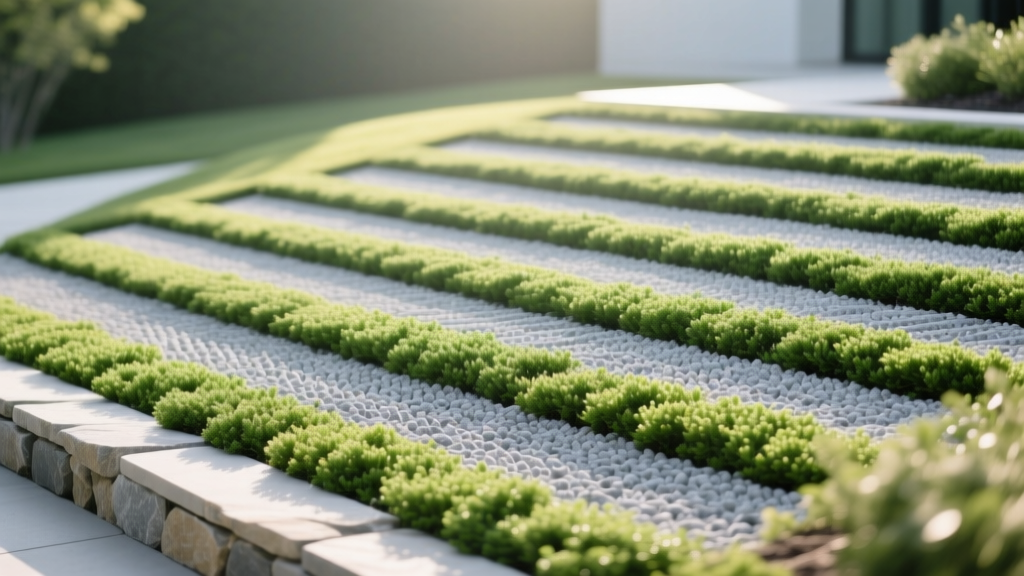
2026 Gravel Garden Patterns: Creeping Thyme Striping & Design
Anna KowalskiPublished
The Evolution of Landscape Striping: Beyond the Mower
When most homeowners think of lawn striping, they picture the meticulous, alternating light-and-dark bands created by a zero-turn mower on a pristine Kentucky Bluegrass lawn. While traditional turf striping relies on the directional bending of grass blades to manipulate light reflection, the 2026 approach to aesthetic patterns in xeriscaping achieves the same high-contrast, manicured visual through material juxtaposition. As water restrictions tighten and sustainable landscaping becomes the definitive standard for modern outdoor spaces, landscape architects are turning to gravel garden design with creeping thyme groundcover to create permanent, living stripes that never require mowing.
By alternating bands of vibrant, low-growing Thymus serpyllum (creeping thyme) with carefully selected aggregates like crushed basalt or decomposed granite, you can achieve striking geometric patterns, chevron pathways, and linear striping that draws the eye toward focal points. This technique merges the crisp, formal aesthetics of a manicured English garden with the drought-tolerant, eco-friendly realities of 2026 climate-conscious landscaping.
Designing Your Pattern: Stripes, Chevrons, and Geometry
Creating visual flow in a gravel and thyme garden requires the same spatial awareness used in mowing championship golf courses. The goal is to use contrasting textures and colors to create optical illusions that expand small spaces or guide foot traffic through larger estates.
Linear Striping for Pathways and Sightlines
Linear striping is the most direct translation of traditional lawn patterns into a hardscape environment. By installing parallel bands of rigid aluminum landscape edging, you can create alternating zones of dark gravel and bright green thyme. Dark crushed basalt gravel absorbs light, creating a visual "valley," while the matte, textured foliage of 'Elfin' thyme catches the sun, mimicking the "light" stripe of a freshly mowed lawn. These linear stripes are highly effective for framing long walkways or directing the eye toward a distant water feature or fire pit.
The Checkerboard and Chevron Illusions
For a more avant-garde aesthetic, the checkerboard pattern utilizes square modular zones. Alternating 3-foot by 3-foot squares of silver 'Woolly' thyme and golden decomposed granite creates a dazzling, high-contrast grid that looks spectacular from second-story windows or elevated decks. Chevron patterns, laid at 45-degree angles across a wide side yard, can make a narrow space feel significantly wider by pulling the eye horizontally across the property.
Material Selection: Thyme Varieties and Gravel Pairings
The success of your striping effect depends entirely on the contrast between your living groundcover and your inorganic aggregate. According to the UC ANR WUCOLS database, creeping thyme is classified as a low to very-low water use species, making it an ideal candidate for sustainable pattern-making in arid and semi-arid climates.
Top Creeping Thyme Varieties for Pattern Design
| Variety | Foliage Color | Height | Traffic Tolerance | Best Gravel Contrast |
|---|---|---|---|---|
| 'Elfin' Thyme | Deep, glossy green | 1-2 inches | High | White marble chips or light pea gravel |
| 'Woolly' Thyme | Silvery-grey, fuzzy | 2-3 inches | Medium | Dark crushed basalt or black lava rock |
| 'Pink Chintz' | Grey-green with pink blooms | 2-4 inches | Medium | Warm-toned decomposed granite |
| 'Caraway' Thyme | Bright, feathery green | 2-3 inches | Low (Accent only) | Red cinder or terracotta gravel |
Choosing the Right Aggregate for Maximum Contrast
| Gravel Type | Color & Texture | Drainage Profile | Visual Effect in Patterns |
|---|---|---|---|
| Crushed Basalt (3/8") | Charcoal black, angular | Excellent | Creates deep, shadow-like stripes; locks together to resist shifting. |
| Decomposed Granite | Golden-buff, sandy | Good (compacts well) | Provides a warm, natural backdrop; ideal for checkerboard grids. |
| White Marble Chips | Stark white, reflective | Excellent | High-glow stripes that mimic the brightest bands of bent turfgrass. |
| River Pea Gravel | Mixed earth tones, round | Excellent | Softer, organic look; difficult to maintain crisp edges without steel edging. |
Step-by-Step Installation for Crisp, Permanent Lines
Achieving the razor-sharp lines associated with professional lawn striping requires meticulous base preparation and the use of modern hardscape edging. Without physical barriers, gravel will migrate into the thyme, and the thyme will creep into the gravel, destroying your pattern within a single growing season.
1. Sub-Base Preparation and Weed Control
Excavate the entire pattern area to a depth of 4 to 5 inches. Compact the native soil using a plate compactor to prevent future settling, which can warp your geometric lines. Lay down a high-quality, woven geotextile weed barrier. Avoid solid plastic sheeting, as it prevents water permeation and can lead to pooling, which will drown your thyme roots and wash out your gravel stripes. The EPA WaterSense program highly recommends permeable landscaping bases to manage stormwater runoff effectively while maintaining drought-tolerant gardens.
2. Installing Rigid Edging (The Secret to Striping)
To create your stripes, install commercial-grade aluminum or Corten steel landscape edging. Aluminum is preferred for 2026 installations due to its rust-proof longevity and ease of bending for curved patterns. Drive the edging stakes securely into the sub-base, ensuring the top lip of the edging sits exactly 1/2 inch below your planned finished grade. This hidden lip ensures that the transition between the thyme and the gravel looks seamless and organic, while the steel barrier beneath the surface keeps the materials strictly separated.
3. Planting the Thyme Stripes
Within the designated thyme zones, cut X-shaped slits in the geotextile fabric. Plant your thyme plugs on 6-inch centers for rapid coverage. In 2026, many landscapers utilize mycorrhizal root dips during planting to accelerate establishment and improve drought resistance. Backfill with a well-draining mix of topsoil and coarse sand. The thyme should be planted slightly proud (higher) than the adjacent gravel zones so that water naturally drains away from the plant crowns and into the permeable gravel stripes.
4. Laying and Compacting the Gravel
Fill the alternating zones with your chosen gravel to a depth of 2 to 3 inches. For angular gravels like crushed basalt or decomposed granite, use a hand tamper or a small plate compactor to lock the stones together. This creates a firm, stable surface that resists the "kick-out" effect caused by foot traffic or heavy rain, ensuring your stripes remain pristine.
Maintenance: Keeping the Lines Sharp
While a gravel and thyme garden eliminates the need for weekly mowing, fertilizing, and aerating, it does require specific maintenance to preserve the aesthetic patterns. Creeping thyme is an aggressive grower. Twice a year—once in early spring and once in late fall—use a sharp, half-moon edging tool or a battery-powered string trimmer with an edging attachment to slice back any thyme foliage that has crept over the hidden aluminum barriers.
Debris management is equally important. Fallen autumn leaves or wind-blown dirt can dull the reflective contrast of white marble chips or dark basalt. Instead of raking, which will displace the gravel and damage the thyme, invest in a high-quality commercial leaf blower to gently clear organic matter from the hardscape stripes. If the gravel becomes stained over time, a gentle rinse with a garden hose is usually sufficient to restore the vibrant color contrast.
Environmental Benefits of the 2026 Xeriscape Standard
Transitioning from traditional turf striping to living hardscape patterns offers profound ecological benefits. According to the EPA WaterSense program, replacing traditional turf with drought-tolerant groundcovers and permeable hardscapes can reduce outdoor water use by up to 50%, a critical metric for modern landscape sustainability. Furthermore, creeping thyme is a prolific bloomer that provides essential nectar for bees and butterflies. Integrating these living patterns actively supports local pollinators, aligning perfectly with the sustainable gardening and habitat restoration initiatives championed by the National Wildlife Federation.
By embracing the art of gravel and thyme striping, you are not just creating a visually stunning, architecturally precise landscape; you are investing in a resilient, eco-friendly outdoor space that will look immaculate in 2026 and for decades to come.

