
Landscaping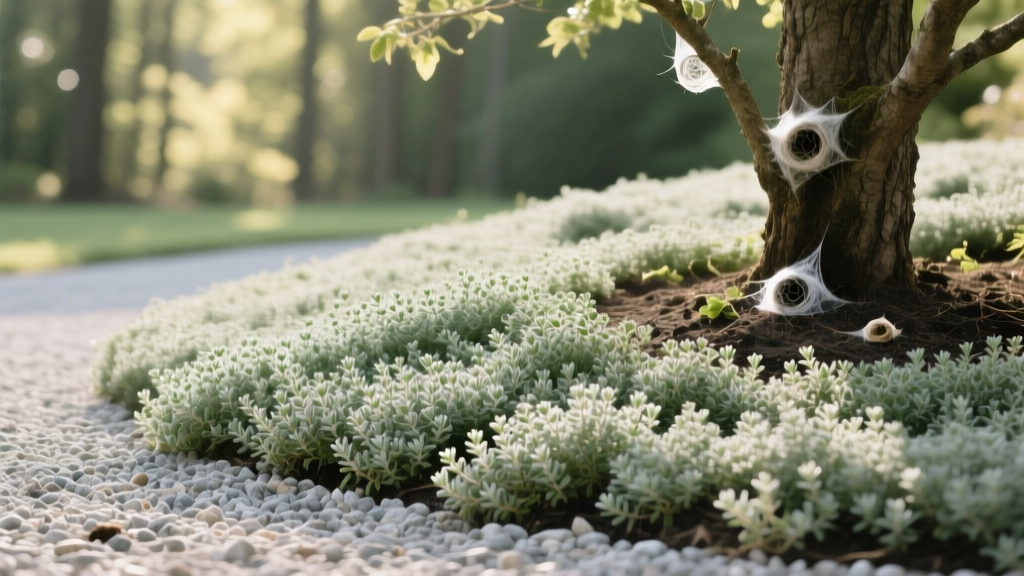
2026 Gravel And Thyme Gardens For Tree Web Worm Control
David ParkPublished
The Hidden Link Between Tree Health, Mulch, and Web Worms
As we navigate the 2026 landscaping season, homeowners and landscape architects are increasingly moving away from high-maintenance, pest-harboring yard features in favor of sustainable, ecologically balanced designs. One of the most innovative trends bridging aesthetic beauty and practical pest management is the gravel garden planted with creeping thyme (Thymus serpyllum). While typically praised for its drought tolerance, permeable drainage, and curb appeal, this specific groundcover combination is now being recognized by certified arborists as a powerful cultural tool in tree web worm control.
Fall webworms (Hyphantria cunea) are notorious for weaving unsightly, silken tents over the branches of deciduous trees in late summer and early fall. While the webs themselves are mostly an aesthetic nuisance, the underlying issue is often tree stress. Trees weakened by poor root health, improper watering, and suffocating "mulch volcanoes" are prime targets for secondary pest infestations. Furthermore, traditional wood mulch provides an ideal, moist overwintering habitat for a variety of pests and fungal pathogens that compound tree stress. According to the University of Minnesota Extension, fall webworms overwinter as pupae in protected areas, often within leaf litter and debris accumulated at the base of stressed trees. By fundamentally changing the microclimate around your tree's root zone, you can disrupt this life cycle.
The Danger of the "Mulch Volcano" in Web Worm Management
For decades, the standard landscaping practice was to pile dyed wood mulch high against the trunk of a tree. In 2026, this practice is widely condemned by tree care professionals. The Morton Arboretum explicitly warns against piling mulch against tree trunks, noting that it causes bark decay, encourages girdling roots, and suffocates the root system by blocking oxygen exchange.
When a tree's root system is suffocated and stressed by excessive moisture trapped in wood mulch, the tree's natural chemical defenses drop. Stressed trees emit volatile organic compounds (VOCs) that actually attract pests, including web worms and borers. Additionally, the deep, moist layers of decaying wood chips provide a perfect microclimate for web worm pupae to survive the winter and emerge in the spring. Eliminating wood mulch from the immediate drip line and replacing it with a well-draining gravel and creeping thyme matrix is a proactive, long-term strategy for tree web worm control.
Why Gravel and Creeping Thyme? The 2026 Sustainable Solution
A gravel garden interplanted with creeping thyme offers a dual-action approach to landscape health. The gravel provides immediate, permanent drainage, preventing the waterlogged soil conditions that lead to root rot. Creeping thyme acts as a "living mulch," shading the soil to retain just enough moisture for the tree's feeder roots while suppressing weed growth without harboring pest pupae.
Creeping thyme is highly aromatic. The essential oils released by Thymus serpyllum when brushed against or heated by the sun are known to deter various crawling insects and create an environment that is highly unfavorable for the overwintering stages of many soft-bodied pests. Unlike wood chips, which break down and require annual replenishment (often introducing new pest eggs or fungal spores to your yard), a gravel and thyme garden is a permanent, low-maintenance installation that aligns perfectly with 2026 xeriscaping and water-wise landscaping mandates.
Step-by-Step Installation Guide for Tree Health
To properly install a creeping thyme gravel garden that promotes tree vigor and deters web worms, follow these 2026 best practices:
Step 1: Root Flare Excavation
Before adding any materials, you must expose the tree's root flare—the area where the trunk widens at the base and transitions into roots. Use an air spade or carefully hand-dig to remove existing soil and wood mulch. The root flare must be completely visible and exposed to the air to prevent bark rot and girdling roots.
Step 2: Gravel Selection and Depth
Do not use rounded pea gravel, as it shifts easily and compacts, reducing permeability. Instead, opt for 3/8-inch crushed angular gravel (often called crushed granite or decomposed granite). The angular edges lock together, creating a stable, highly permeable surface that allows oxygen to reach the soil. Apply the gravel to a depth of exactly 2 to 3 inches, keeping it at least 3 inches away from the actual bark of the tree trunk to maintain a dry "moat" that deters crawling pests.
Step 3: Planting Creeping Thyme
Select low-growing, drought-tolerant varieties of creeping thyme such as 'Elfin', 'Pink Chintz', or 'Reiter'. In 2026, landscape suppliers heavily favor plug trays over 4-inch pots for groundcover installations to minimize soil disturbance. Dig small pockets into the gravel, amend the pocket with a handful of compost, and plant the thyme plugs 12 to 18 inches apart. The thyme will spread through the gravel matrix within one to two growing seasons, creating a dense, flowering carpet that stabilizes the gravel and shades the soil.
Comparison: Wood Mulch vs. Gravel & Thyme for Pest Control
| Feature | Traditional Wood Mulch | Gravel & Creeping Thyme |
|---|---|---|
| Moisture Retention | High (Traps water, risks root rot) | Balanced (Drains excess, thyme shades soil) |
| Pest Overwintering Habitat | Excellent for pupae and fungal spores | Poor (Dry, exposed, aromatic oils deter pests) |
| Oxygen Exchange to Roots | Restricted when piled thick | Excellent (Angular gravel allows air flow) |
| Maintenance (2026 Standards) | Annual replenishment required | Minimal (Occasional weeding, no replacement) |
| Impact on Tree Stress | Increases stress via suffocation | Reduces stress, improves natural defenses |
Integrating the Garden into a Broader IPM Strategy
While a gravel and thyme garden drastically reduces the environmental stressors that make trees vulnerable to web worms, it must be paired with active Integrated Pest Management (IPM) if an outbreak occurs. The University of California Statewide IPM Program emphasizes that fall webworms are largely a cosmetic issue, but severe defoliation on already-stressed trees requires intervention.
If you spot the characteristic silken tents forming at the tips of your tree branches in late summer, use a pole pruner to physically remove and destroy the webbed branches. Because your tree's base is now protected by a dry, thyme-filled gravel matrix, you do not have to worry about dropped debris harboring the next generation of pests in the soil below. For severe infestations, 2026 IPM guidelines recommend the targeted application of Bacillus thuringiensis var. kurstaki (Btk). Btk is a naturally occurring soil bacterium that specifically targets caterpillars when ingested, leaving beneficial insects, pollinators visiting your creeping thyme, and local wildlife completely unharmed.
2026 Cost Breakdown and ROI
Investing in a gravel and creeping thyme garden yields a high return on investment by eliminating annual mulch purchases and reducing the need for chemical pest treatments. As of 2026, the average material costs for a 100-square-foot tree ring installation are as follows:
- 3/8-inch Crushed Gravel: $65 to $85 per ton (approx. 1.5 tons needed for 100 sq ft at 2" depth) = $97 - $127
- Creeping Thyme Plugs (50-count tray): $1.50 to $2.20 per plug = $75 - $110
- Landscape Fabric (Optional, woven permeable only): $45 per roll
- Total Material Cost: $217 - $282 per tree ring
Compare this to the cumulative cost of premium hardwood mulch, which requires $40-$60 in materials and labor every single spring, plus the hidden costs of treating fungal diseases and pest outbreaks exacerbated by poor drainage. Within three years, the gravel and thyme garden pays for itself while providing a permanent, ecologically sound defense against tree stress and web worm proliferation.
Conclusion
Landscaping in 2026 demands that we look beyond surface-level aesthetics and address the root causes of yard health issues. By replacing suffocating wood mulch with a beautifully designed gravel and creeping thyme garden, you are not just creating a stunning, drought-tolerant focal point for your yard. You are actively engaging in cultural tree web worm control, fortifying your trees' natural immune systems, and fostering a healthier, more resilient landscape for decades to come.

