
Landscaping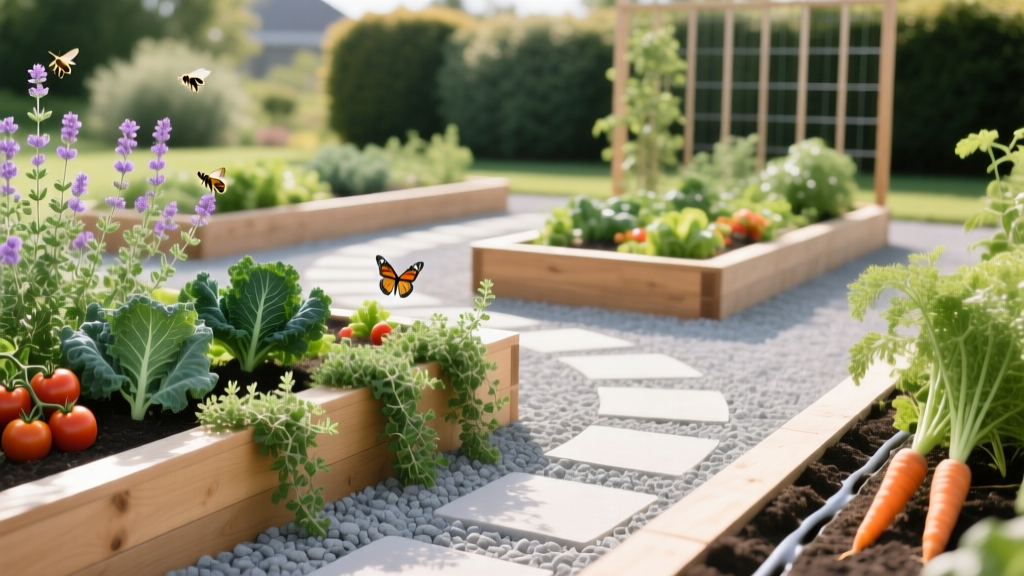
Creeping Thyme Gravel Paths: 2026 Raised Bed Landscaping
Sarah ChenPublished
The Rise of the Gravel and Thyme Raised Bed Ecosystem
Welcome to 2026, where the intersection of hardscaping and edible landscaping has reached new heights of sustainability and aesthetic brilliance. Raised bed vegetable gardening is no longer just about the soil inside the boxes; it is about the microclimate you cultivate around them. One of the most effective and visually stunning landscape design trends this year is the integration of gravel garden pathways interplanted with creeping thyme (Thymus serpyllum) surrounding raised vegetable beds.
When you surround your cedar, composite, or corten steel raised beds with a permeable gravel matrix and a living thyme groundcover, you solve multiple landscape problems simultaneously. Mud is entirely eliminated, drainage is maximized, and you create a dedicated 'pollinator highway' that directly increases the yield of your tomatoes, squash, and peppers. According to the Royal Horticultural Society, gravel gardens are a cornerstone of modern climate-resilient landscaping, requiring significantly less water than traditional turfgrass while providing excellent drainage for adjacent agricultural beds.
Why Creeping Thyme is the Ultimate Companion for Vegetable Beds
Integrating creeping thyme into the gravel pathways around your raised beds is a masterclass in permaculture and companion planting. While the gravel provides structural integrity and a clean surface for wheelbarrows, the thyme acts as a living mulch that offers profound ecological benefits to your vegetables.
- Pollinator Attraction: Creeping thyme produces dense clusters of tiny flowers in late spring and early summer. These blooms are irresistible to native bees, honeybees, and hoverflies. As noted by Penn State Extension, establishing dedicated pollinator habitats adjacent to vegetable gardens drastically improves fruit set in crops like zucchini, cucumbers, and melons.
- Natural Pest Deterrence: The aromatic essential oils released by thyme when brushed against or crushed help mask the scent of your vulnerable vegetable crops from pests like aphids and cabbage moths.
- Microclimate Regulation: The light-colored gravel reflects sunlight upward into the lower canopy of your pepper and tomato plants, aiding in ripening. Meanwhile, the thyme roots shade the soil beneath the gravel, retaining subsurface moisture and keeping the root zones of your raised beds cool during peak summer heatwaves.
Selecting the Right Gravel for Raised Bed Perimeters
Not all gravel is created equal, especially when you are navigating around raised beds with heavy loads of compost, soil, and harvested vegetables. In 2026, landscape architects heavily favor materials that balance permeability with structural firmness. Below is a comparison of the top gravel choices for vegetable garden hardscapes.
| Gravel Type | Wheelbarrow Accessibility | Drainage Rate | 2026 Avg Cost (Per Ton) | pH Impact on Adjacent Beds |
|---|---|---|---|---|
| Decomposed Granite (DG) | Excellent (Packs Firm) | Moderate | $65 - $85 | Neutral |
| Pea Gravel (3/8 inch) | Poor (Shifts under weight) | High | $45 - $60 | Neutral |
| Crushed Limestone (3/4 inch) | Good | High | $55 - $75 | Alkaline (Raises pH) |
| River Rock (1 - 2 inch) | Moderate | Very High | $80 - $110 | Neutral |
For the best results in a working vegetable garden, Decomposed Granite (DG) is the top recommendation for 2026. When compacted, DG forms a firm, porous surface that easily supports a fully loaded wheelbarrow without sinking, while still allowing rainwater to percolate into the water table rather than pooling against your raised bed walls.
Best Creeping Thyme Varieties for 2026 Landscaping
When selecting your groundcover, you must choose low-growing, traffic-tolerant varieties that will thrive in the crevices of your gravel paths. The NC State Extension Plant Database highlights Thymus serpyllum as a remarkably hardy, low-maintenance option for hardscape integration. Here are the top three cultivars to plant this season:
1. Elfin Thyme (Thymus praecox 'Minus')
Elfin thyme is one of the lowest-growing varieties available, rarely exceeding two inches in height. Its tiny, glossy leaves form a dense mat that chokes out weeds. It handles moderate foot traffic beautifully, making it perfect for the narrow gaps between stepping stones leading to your raised beds.
2. Red Creeping Thyme (Thymus praecox 'Coccineus')
If you want a dramatic visual contrast against the grey tones of decomposed granite and the natural wood of your raised beds, Red Creeping Thyme is the answer. It produces a carpet of brilliant magenta-red flowers that serve as a massive draw for beneficial insects.
3. Lemon Thyme (Thymus citriodorus)
While slightly taller than Elfin thyme, Lemon Thyme offers a dual purpose. Not only does its citrus scent repel certain garden pests, but it also provides a fresh culinary herb that pairs perfectly with the vegetables you are harvesting from the adjacent beds.
Step-by-Step Installation Guide
Creating a durable gravel and thyme pathway requires proper site preparation. Skipping these steps will result in weed infestations and sinking gravel by mid-summer. Follow this 2026-standard installation protocol:
- Excavation: Dig out the perimeter around your raised beds to a depth of 5 inches. Ensure the soil base is sloped slightly away from the wooden or metal walls of your raised beds to prevent water from rotting the baseboards.
- Edging Installation: Install rigid landscape edging (such as corten steel or heavy-duty composite) between the raised bed and the pathway. This creates a hard barrier that stops gravel from migrating into your vegetable soil and prevents the thyme from creeping into your crop rows.
- Weed Barrier: Lay down a high-quality, permeable woven geotextile fabric. Do not use solid black plastic. Plastic prevents drainage and will suffocate the soil microbiome essential for your raised beds. Secure the fabric with landscape staples every 3 feet.
- Gravel Application: Spread 3 inches of your chosen gravel (preferably Decomposed Granite) over the fabric. Use a hand tamper or a mechanical plate compactor to lock the gravel into a firm, level surface.
- Planting the Thyme: Purchase creeping thyme in 72-cell plug trays to save money and ensure rapid establishment. Use a utility knife to cut small 'X' slits into the geotextile fabric every 12 to 18 inches. Dig a small hole through the slit, plant the thyme plug, and water deeply. The thyme will quickly spread over the fabric and root into the soil below through the slits.
2026 Cost Breakdown for a Standard Raised Bed Perimeter
Budgeting is a critical part of landscape planning. Below is an estimated cost breakdown for installing a 3-foot-wide gravel and thyme pathway completely surrounding a standard 4x8-foot raised vegetable bed (Total pathway area: approximately 100 square feet).
- Decomposed Granite (1.5 tons): $110.00
- Woven Geotextile Fabric (100 sq ft roll): $45.00
- Steel Landscape Edging (30 linear feet): $95.00
- Creeping Thyme Plugs (Two 72-cell trays): $85.00
- Landscape Staples & Hardware: $20.00
- Total Estimated Material Cost: $355.00
While the initial investment is higher than laying down cheap wood chips, a gravel and thyme hardscape will last for decades without needing annual replacement, making it highly cost-effective over time.
Maintenance and Seasonal Care
One of the greatest advantages of a gravel and thyme garden design is the minimal maintenance required compared to traditional grassy pathways that require mowing, edging, and watering.
In the spring, use a stiff-bristled broom or a leaf blower on a low setting to remove fallen leaves and debris from the gravel. Avoid using a metal rake, as it will tear the geotextile fabric and uproot your young thyme plants. Once the thyme finishes its spectacular early-summer bloom, give it a light shearing with garden scissors or a string trimmer set on high. This encourages dense, woody growth and prevents the center of the plant from dying out.
If weeds do manage to blow into the gravel and take root, spot-treat them with a horticultural vinegar solution or pull them by hand. Because the thyme forms such a dense mat, weed pressure will drop to near zero by the second year of establishment. By embracing this sustainable hardscaping technique, your raised bed vegetable garden will not only produce bountiful harvests in 2026 but will also serve as a stunning, ecologically vibrant focal point in your landscape for years to come.

