Gardening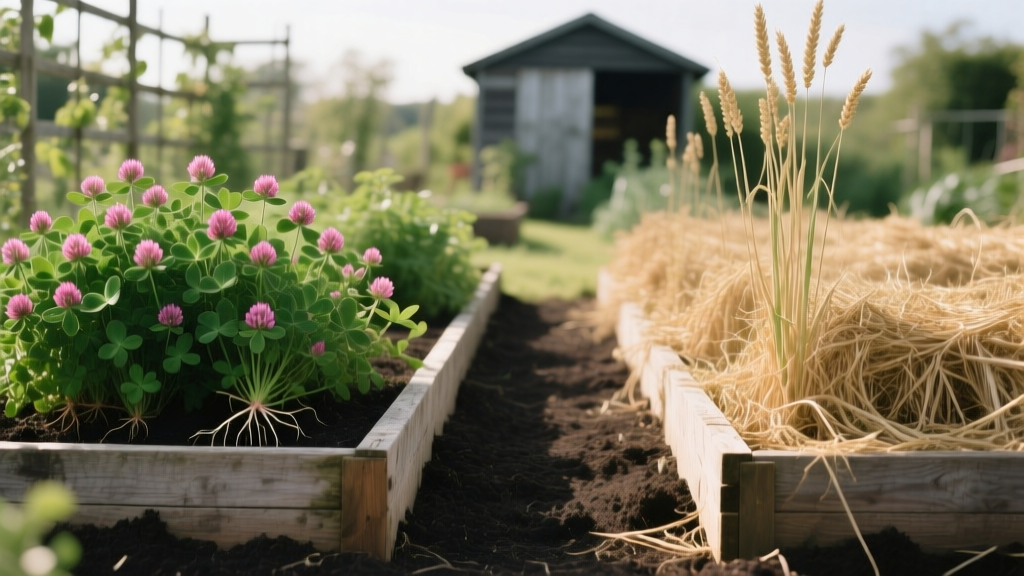
Crimson Clover vs Winter Rye: 2026 Raised Bed Cover Crop Guide
Emily WatsonPublished
The 2026 Raised Bed Dilemma: Crimson Clover vs. Winter Rye
As we navigate the 2026 gardening season, the rising costs of organic fertilizers and premium soil amendments continue to influence how home growers manage their raised bed vegetable gardens. Unlike in-ground row cropping, raised beds are highly intensive environments. The soil is constantly worked, heavily fertilized, and expected to produce massive yields of tomatoes, peppers, and leafy greens in a confined square footage. Over time, this intensive management can deplete soil organic matter, disrupt the soil microbiome, and invite relentless weed pressure. This is where cover crops become an indispensable tool for the modern raised bed gardener.
Among the most popular choices for overwintering and early spring soil protection are crimson clover and cereal winter rye. Both offer incredible benefits, but they serve fundamentally different ecological functions in the soil food web. Choosing between them requires a deep understanding of your specific garden goals, the crops you plan to grow next, and the unique physical constraints of terminating a cover crop within the wooden or metal walls of a raised bed. In this comprehensive guide, we will break down the science, economics, and practical application of crimson clover versus winter rye for raised bed vegetable gardening in 2026.
The Science of Soil in Raised Beds
Raised beds warm up faster in the spring and drain better than native soil, making them ideal for vegetable production. However, these same traits accelerate the decomposition of organic matter. According to the Sustainable Agriculture Research and Education (SARE) program, maintaining soil organic matter is critical for nutrient retention and water-holding capacity. In a standard 4x8-foot raised bed, the soil volume is limited, meaning any loss of structure or fertility is immediately felt by your cash crops.
Cover crops act as a living mulch during the off-season. They protect the soil surface from heavy winter rains that can cause crusting and compaction, while their roots exude sugars that feed beneficial mycorrhizal fungi and bacteria. When terminated and incorporated, they return vital nutrients to the soil. But because raised beds lack the heavy machinery used in commercial agriculture to mow and disc under massive cover crops, home gardeners must select varieties that are easy to terminate manually or with light string-trimmer equipment.
Crimson Clover: The Nitrogen-Fixing Powerhouse
Crimson clover (Trifolium incarnatum) is a cool-season annual legume celebrated for its striking, deep-red floral spikes and its ability to pull nitrogen directly from the atmosphere. Through a symbiotic relationship with Rhizobium bacteria in its root nodules, crimson clover can fix between 70 and 150 pounds of nitrogen per acre. Scaled down to a home garden, a well-established stand of crimson clover can provide a significant slow-release nitrogen boost for the following season's heavy-feeding crops like corn, tomatoes, and brassicas.
Pros for Raised Beds:
- Easy Termination: Crimson clover has a relatively shallow, fibrous root system and a hollow stem. It is incredibly easy to kill by simply cutting it at the soil line with a string trimmer, a sharp hoe, or garden shears. It does not regrow from cut roots, making it a dream for raised bed management.
- Pollinator Magnet: If allowed to bloom in early spring before termination, the vibrant red flowers are a primary nectar source for native bees and honeybees, supporting early-season pollinator populations.
- Soil Softening: The dense, mat-like growth habit suppresses early spring weeds while keeping the top inch of soil friable and moist.
Cons and Considerations:
Crimson clover is less winter-hardy than cereal rye. In USDA Hardiness Zones 5 and below, it may winter-kill during the erratic deep freezes we have seen in early 2026. While winter-kill actually makes termination effortless, it means the soil is left bare in late winter, potentially allowing early weeds to establish. Additionally, as of 2026, crimson clover seed prices hover around $4.50 to $6.00 per pound, making it a more expensive investment per square foot than grain cover crops.
Winter Rye: The Biomass and Weed-Suppression Giant
Cereal winter rye (Secale cereale) is not a grass weed like annual ryegrass; it is a hardy cereal grain that excels at scavenging leftover soil nutrients and producing massive amounts of carbon-rich biomass. Winter rye is the undisputed champion of weed suppression due to a phenomenon called allelopathy. Its roots and decomposing residue release biochemicals that inhibit the germination of small-seeded weeds, giving your transplanted vegetables a head start in the spring.
Pros for Raised Beds:
- Extreme Cold Tolerance: Winter rye will germinate in temperatures as low as 34°F and survive the harshest winters in Zones 3 and above. It provides continuous ground cover and root exudates even when the ground is near freezing.
- Nutrient Scavenging: If you heavily fertilized your raised beds in late summer, rye's deep, aggressive root system will capture leaching nitrates before they hit the groundwater, holding them in its tissue for the next season.
- Cost-Effective: Seed is highly affordable, typically costing between $1.00 and $2.00 per pound in 2026.
Cons and Considerations:
The primary drawback of winter rye in a raised bed is its termination. If left to grow too long in the spring, rye develops thick, fibrous, woody stems and a massive root ball that is nearly impossible to chop and incorporate by hand in a confined wooden box. Furthermore, if rye goes to seed, you will be battling volunteer rye grass in your tomato beds all summer. Penn State Extension emphasizes that timing the termination of cereal rye is the single most critical factor in its successful use.
Head-to-Head Comparison Chart
| Feature | Crimson Clover | Cereal Winter Rye |
|---|---|---|
| Primary Benefit | Nitrogen Fixation & Pollinators | Biomass, Scavenging & Weed Control |
| 2026 Seed Cost | ~$5.00 / lb | ~$1.50 / lb |
| Raised Bed Sowing Rate | 1 oz per 100 sq ft | 2 to 3 oz per 100 sq ft |
| Winter Hardiness | Zone 6 and warmer | Zone 3 and warmer |
| Termination Difficulty | Very Easy (Cut at soil line) | Moderate to Hard (Requires strict timing) |
| Carbon to Nitrogen Ratio | Low (Decomposes rapidly) | High (Decomposes slowly, builds humus) |
Planting Guide and Timing for 2026
Success with cover crops in raised beds hinges on proper seed-to-soil contact and timing. For both crimson clover and winter rye, the ideal planting window in most temperate zones is late September through mid-October. You want the plants to establish a strong root system and at least two to three true leaves before the ground freezes solid.
Bed Preparation: Clear your raised bed of spent summer crops, weeds, and heavy mulch. Lightly rake the top inch of soil to create a fine seedbed. Do not deeply till; preserving the soil structure and mycorrhizal networks is a priority in no-till or low-till raised bed systems.
Sowing Crimson Clover: Broadcast the seed evenly at a rate of 1 ounce per 100 square feet. Because clover seeds are small, they require shallow planting. Lightly rake them in no more than 1/4 inch deep, or simply press them into the soil surface with a piece of plywood and water gently. Ensure the seed is inoculated with the correct Rhizobium strain if it was not pre-inoculated by the supplier.
Sowing Winter Rye: Broadcast at a rate of 2 to 3 ounces per 100 square feet. Rye seeds are larger and can be raked in slightly deeper, about 1/2 to 1 inch. Water the bed thoroughly after sowing to trigger germination.
Termination Tactics for Confined Spaces
Terminating cover crops in a raised bed requires a different approach than commercial farming. You cannot use a tractor-mounted flail mower or a heavy disc harrow. According to guidelines from UMass Amherst Extension, managing the residue in confined spaces is vital to prevent planting delays in the spring.
1. The Chop-and-Drop Method (Best for Clover): When crimson clover is in full bloom but before it sets seed, use a manual string trimmer or heavy-duty loppers to cut the plants exactly at the soil line. Leave the residue on the surface as a mulch. Because clover has a low carbon-to-nitrogen ratio, it will break down rapidly, feeding the soil biology and releasing nitrogen just as your summer transplants need it.
2. Silage Tarping (Best for Winter Rye): If you grew winter rye and it has developed a thick, fibrous root mass, chopping it by hand is exhausting. Instead, cut the rye down to the soil line with a string trimmer, water the bed deeply, and cover the entire raised bed with a heavy-duty, UV-treated 6-mil black silage tarp. Weigh down the edges with cinder blocks or sandbags. Leave the tarp in place for 3 to 4 weeks. The lack of light, combined with the heat generated under the plastic, will completely kill the rye roots and accelerate the breakdown of the residue by soil microbes. By the time you remove the tarp, the soil will be soft, dark, and ready for planting.
3. The Crimping Technique: For smaller raised beds, you can use a heavy piece of lumber or a specialized hand-crimper to crush the stems of the cover crop. This works exceptionally well for rye if done at the exact moment the seed head emerges from the boot stage. Crimping breaks the vascular tissue of the plant, killing it without severing the roots, which leaves the soil structure completely intact.
Matching the Cover Crop to Your 2026 Cash Crops
The decision between clover and rye should ultimately be dictated by what you plan to grow in that specific raised bed the following spring. If your 2026 garden plan includes heavy feeders like indeterminate heirloom tomatoes, sweet corn, or large brassicas (cabbage, broccoli), crimson clover is the superior choice. The nitrogen fixed by the clover will provide a steady, organic nutrient stream that supports vigorous vegetative growth without the risk of burning the plants associated with synthetic fertilizers.
Conversely, if the raised bed is slated for root crops like carrots and beets, or if you struggle with severe weed pressure, winter rye is the better option. Root crops actually prefer soils with lower immediate nitrogen levels (excess nitrogen causes hairy, forked carrots), but they benefit immensely from the deep soil fracturing and massive organic matter additions provided by rye's root system. Furthermore, the allelopathic weed suppression of rye residue will save you hours of hand-weeding during the critical early establishment phase of slow-growing root vegetables. Just be sure to wait at least three weeks after terminating rye before planting small seeds, as the allelopathic chemicals can temporarily inhibit the germination of carrots and lettuce.
Final Verdict for the Home Gardener
There is no single 'best' cover crop; there is only the right tool for the specific job your raised bed requires in 2026. Crimson clover is the gardener's best friend for easy management, nitrogen building, and supporting early pollinators. Winter rye is the ultimate workhorse for building long-term soil carbon, surviving brutal winters, and choking out weeds. Many advanced raised bed gardeners utilize a polyculture approach, mixing a small amount of winter rye with crimson clover and perhaps some winter peas, to harness the benefits of both biomass and nitrogen fixation simultaneously. Whichever you choose, keeping living roots in your raised bed soil year-round is the single most impactful practice you can adopt for long-term gardening success.
