Gardening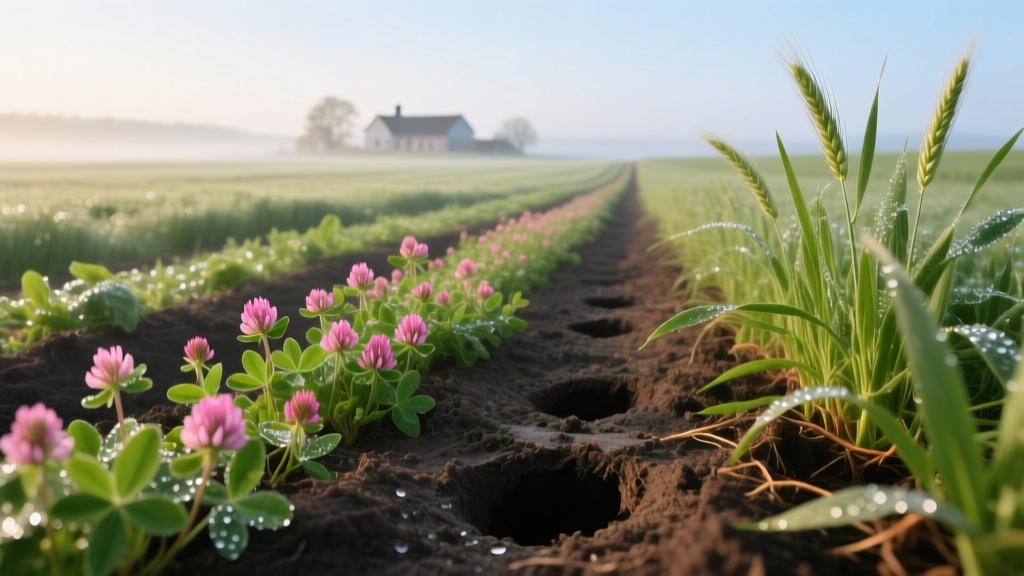
Crimson Clover vs Winter Rye: 2026 Cover Crop Aeration Guide
David ParkPublished
The 2026 Soil Health Imperative: Why Aeration Meets Cover Crops
As we navigate the shifting climate patterns and increasingly compacted urban soils of 2026, home gardeners and lawn care enthusiasts are turning to advanced biological solutions to maintain vigorous landscapes. The foundation of any thriving garden or resilient lawn lies beneath the surface. When soil becomes compacted, water infiltration drops, root growth stalls, and microbial life suffocates. While core aeration has long been the gold standard for mechanically relieving soil compaction, pairing this practice with the strategic planting of cover crops creates a synergistic effect that transforms dead dirt into living soil.
Cover crops act as biological tillers and nutrient cyclers. However, broadcasting cover crop seed onto a hard, compacted surface often results in poor germination and wasted seed. This is where core aeration becomes the ultimate seedbed preparation tool. By pulling thousands of 3-inch soil plugs per thousand square feet, you create ideal micro-environments for seed-to-soil contact. But which cover crop should you choose for your newly aerated soil? The two undisputed champions for cool-season soil building are Crimson Clover (Trifolium incarnatum) and Winter Rye (Secale cereale). In this comprehensive 2026 guide, we break down how these two powerhouses interact with aerated soil profiles, helping you decide which is right for your specific gardening goals.
The Mechanics of Core Aeration as a Seedbed
Before diving into the botanical differences between clover and rye, it is crucial to understand why core aeration is the preferred method for establishing cover crops in existing landscapes or heavily trafficked garden pathways. Unlike traditional tilling, which destroys the soil food web and brings dormant weed seeds to the surface, core aeration preserves soil structure while introducing vital oxygen and water channels.
When you run a commercial-grade aerator—such as the widely rented Billy Goat Outback or Ryan Lawnaire models—over your lawn or garden beds in early fall, the hollow tines extract cylindrical cores of soil. These holes serve three distinct purposes for cover crop establishment:
- Seed Catchment: The aeration holes act as natural catch basins. When you broadcast seed, the tiny granules fall into the holes, protecting them from wind, surface runoff, and foraging birds.
- Moisture Retention: The cores left on the surface break down over a few weeks, acting as a top-dressing that covers the seed, while the holes below capture and hold dew and rainfall directly at the root zone.
- Deep Root Penetration: Cover crops require loose soil to establish deep taproots or extensive fibrous networks. The aeration channels provide a path of least resistance, allowing roots to plunge deep into the subsoil to mine nutrients and break up hardpan layers.
Contender 1: Crimson Clover (The Nitrogen Fixer)
Crimson clover is a cool-season annual legume renowned for its striking, deep-red spring blooms and its incredible ability to fix atmospheric nitrogen. According to the Cornell University Cover Crop Guide, a healthy stand of crimson clover can fix between 70 and 150 pounds of nitrogen per acre, making it a powerhouse for gardeners looking to naturally fertilize their soil for the following year's heavy-feeding crops like tomatoes, corn, or brassicas.
When planted into an aerated seedbed, crimson clover thrives. The seeds are relatively small, and the aeration holes provide the precise 1/4-inch depth of soil contact they require for optimal germination. However, clover is somewhat particular about its soil conditions. It prefers well-drained, loamy soils with a pH between 6.0 and 7.0. If your aeration revealed heavy, waterlogged clay, crimson clover may struggle with root rot diseases like sclerotinia.
Furthermore, because it is a legume, crimson clover seed must be inoculated with the correct rhizobium bacteria (Rhizobium leguminosarum biovar trifolii) prior to planting if it has not been grown in your soil previously. In 2026, most premium seed suppliers offer pre-inoculated crimson clover, which takes the guesswork out of the process and ensures immediate nitrogen-fixing capabilities upon germination.
Contender 2: Winter Rye (The Soil Builder and Weed Suppressant)
Winter rye, often referred to as cereal rye, is the workhorse of the cover crop world. It is a cool-season grass that exhibits unparalleled cold hardiness, capable of germinating in temperatures as low as 34°F and surviving harsh winter freezes that would kill other crops. As detailed by the Cornell Cover Crop Guide for Cereal Rye, this crop is famous for its massive, fibrous root system that can produce thousands of miles of roots per acre, effectively shattering compacted soil layers and adding immense amounts of organic biomass when terminated in the spring.
Winter rye is the perfect partner for core aeration, especially in heavily degraded soils. The fibrous roots will aggressively colonize the aeration channels, holding the soil plugs in place and preventing erosion over the winter months. Additionally, winter rye exhibits allelopathic properties—meaning it releases natural biochemicals that inhibit the germination of small-seeded weeds. If your lawn or garden was plagued by annual weeds like crabgrass or pigweed in the summer of 2026, planting winter rye into your aerated soil in the fall will provide a natural pre-emergent effect for the following spring.
Unlike clover, winter rye does not fix nitrogen. In fact, it is a nitrogen scavenger. It will pull up excess, leftover nitrogen from the soil profile (such as remnants of summer lawn fertilizers) and store it in its plant tissue, preventing it from leaching into local waterways during winter rains. When the rye is terminated and decomposes, that nitrogen is slowly released back to your primary crops.
Head-to-Head Comparison: Crimson Clover vs. Winter Rye
| Feature | Crimson Clover | Winter (Cereal) Rye |
|---|---|---|
| Plant Type | Annual Legume | Annual Grass |
| Primary Soil Benefit | Nitrogen fixation & pollinator forage | Biomass production & erosion control |
| 2026 Seeding Rate (per 1,000 sq ft) | 0.5 lbs (approx. 2 cups) | 2.5 to 3.0 lbs (approx. 6 cups) |
| Cold Hardiness | Moderate (Zones 6-9 preferred) | Extreme (Survives Zone 3 winters) |
| Weed Suppression | Low (Shade suppression only) | High (Allelopathic & physical shading) |
| Termination Difficulty | Easy (Mows down easily) | Moderate (Requires heavy mowing or tarping) |
| Ideal Soil Type | Well-drained loams, sandy loams | Heavy clays, compacted soils, poor drainage |
Step-by-Step: Aerating and Sowing Your Cover Crop
To maximize the synergy between mechanical aeration and biological cover cropping, follow this proven protocol tailored for the 2026 gardening season.
Step 1: Timing and Soil Moisture
Timing is everything. Aim to aerate and seed roughly 4 to 6 weeks before your region's average first frost date. The soil should be moist but not saturated. If the ground is too dry, the aerator tines will not penetrate deeply enough to pull proper 3-inch cores. Water the area deeply two days before your planned aeration day.
Step 2: Mow and Clear
Reduce the height of your existing turf or late-summer garden debris to about 1.5 inches. This ensures the aerator tines reach the soil surface without getting tangled in thatch, and it allows sunlight to reach the newly sown cover crop seedlings.
Step 3: The Double-Pass Aeration
Rent a heavy-duty core aerator (expect to pay between $85 and $120 for a half-day rental in 2026). Make one pass over the entire area in a single direction, then make a second pass diagonally to the first. This cross-hatch pattern maximizes the number of holes and ensures uniform relief of compaction.
Step 4: Broadcast and Drag
Immediately after aerating, broadcast your chosen seed at the rates specified in the table above. For crimson clover, ensure the seed is pre-inoculated. For winter rye, you can mix the seed with a small amount of compost to help distribute it evenly. After broadcasting, use a piece of chain-link fence or a specialized lawn drag mat to gently drag the soil cores over the surface. This breaks the cores apart, filling the aeration holes with a mix of seed and topsoil, ensuring perfect seed-to-soil contact.
Step 5: Watering and Establishment
Water the area lightly but frequently for the first 10 to 14 days. The goal is to keep the top inch of soil consistently moist until germination occurs. Once the cover crop is established, natural fall rains should be sufficient to carry it through the winter.
Spring Termination and Integration
The Sustainable Agriculture Research and Education (SARE) program emphasizes that proper termination of cover crops is just as important as their establishment. In the spring, as your crimson clover begins to bloom or your winter rye reaches the boot stage (just before the seed head forms), it is time to terminate the crop.
For crimson clover, a simple mowing with a standard lawn mower or string trimmer is usually sufficient to kill the plant. The nitrogen-rich foliage will rapidly decompose, feeding your soil microbes. Winter rye, however, is notoriously difficult to kill by mowing alone due to its tough, fibrous stalks. Gardeners often use the 'occultation' method—covering the rye with heavy silage tarps for three weeks to smother it—or they use a heavy-duty brush cutter to chop it down, followed by shallow incorporation into the top inch of soil using a broadfork or garden fork.
Conclusion
Choosing between crimson clover and winter rye ultimately depends on your specific soil deficiencies and gardening goals for 2026. If your soil is well-drained but lacks fertility, and you want to feed next year's tomatoes with natural nitrogen while supporting early-spring pollinators, crimson clover is your best choice. If you are battling heavy clay, severe compaction, and aggressive winter weeds, the deep-rooting, allelopathic power of winter rye is unmatched. By pairing either of these exceptional cover crops with the mechanical advantages of core aeration, you are investing in the long-term biological resilience of your landscape, ensuring a lush, vibrant, and highly productive garden for years to come.
