Gardening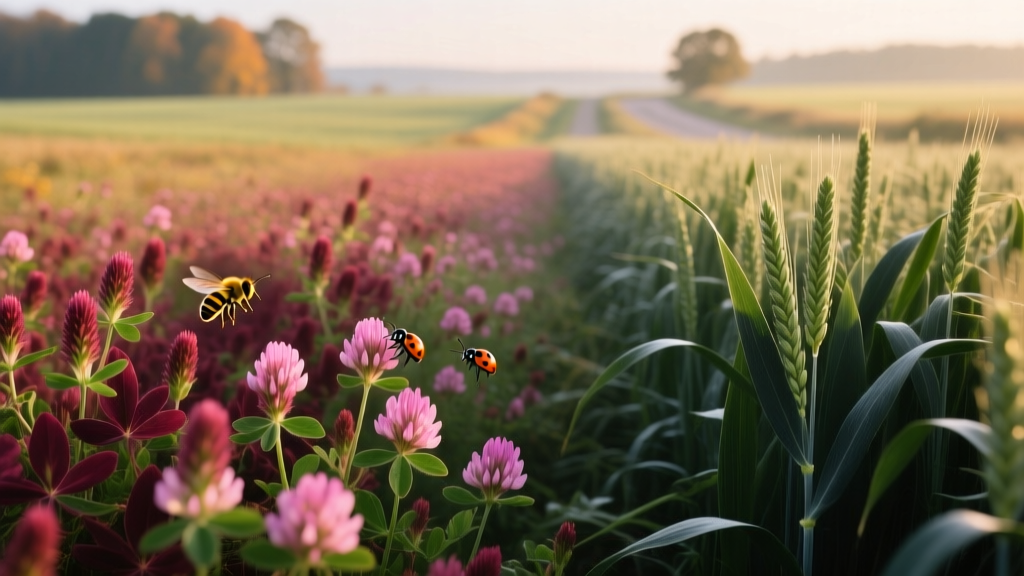
Crimson Clover vs Winter Rye: 2026 Wildlife Cover Crop Guide
David ParkPublished
Introduction to Cover Crops in Wildlife Management
As we navigate the 2026 growing season, homeowners and land managers are increasingly recognizing that a garden is not just a space for cultivating vegetables and flowers, but a complex micro-ecosystem. The choices we make regarding soil health directly dictate the wildlife that visits, nests, and forages in our yards. Cover crops are no longer viewed solely as agricultural tools for large-scale farming; they are essential components of suburban and rural wildlife management. When selecting a cover crop to protect and enrich your soil during the off-season, the debate often narrows down to two powerhouse species: crimson clover and winter rye. Both offer tremendous soil benefits, but their impacts on local yard animals, pollinators, and pest populations are vastly different.
Understanding the intersection of soil microbiology and wildlife behavior is critical for modern gardeners. According to the Sustainable Agriculture Research and Education (SARE) program, cover crops do more than prevent erosion and fix nitrogen; they provide crucial overwintering habitat for beneficial insects, ground-foraging birds, and small mammals. However, inviting wildlife into your yard requires a strategic approach. You must balance the desire to attract pollinators and game birds with the need to deter destructive pests like voles, rabbits, and overpopulated deer herds. This guide breaks down the ecological, soil, and wildlife management differences between crimson clover and winter rye to help you make the best choice for your specific property in 2026.
The Case for Crimson Clover: Nitrogen, Pollinators, and Deer
Crimson clover (Trifolium incarnatum) is a cool-season annual legume celebrated for its vibrant red, elongated flower heads and its ability to pull atmospheric nitrogen into the soil. From a soil perspective, it is a natural fertilizer factory, capable of fixing up to 150 pounds of nitrogen per acre, reducing the need for synthetic amendments in your subsequent spring planting. But from a wildlife management perspective, crimson clover is a highly attractive forage crop that acts as a powerful magnet for a variety of yard animals.
Pollinators and Beneficial Insects
When crimson clover blooms in mid-to-late spring, it becomes a beacon for native bees, honeybees, and beneficial predatory insects. The Xerces Society for Invertebrate Conservation highlights that the open, accessible floral structure of clover provides essential early-season nectar and pollen when few other resources are available. Furthermore, the dense, low-growing canopy offers excellent overwintering and early-spring habitat for ground beetles and spiders, which are vital natural predators of garden pests like slugs and aphids.
Deer and Turkey Attraction
If your goal is to attract whitetail deer or wild turkeys to a rural property or large suburban lot, crimson clover is an exceptional choice. Deer actively seek out the tender, protein-rich foliage throughout the fall and early spring. However, this is a double-edged sword for yard animal management. In areas with high deer pressure, planting crimson clover near your primary vegetable garden or ornamental beds can act as a sacrificial crop, drawing deer away from your prized hostas and tulips. Conversely, if planted too close to the home, it may invite deer directly into your landscaping, increasing the risk of tick exposure and collateral browsing damage.
The Case for Winter Rye: Biomass, Waterfowl, and Erosion Control
Winter rye (Secale cereale) is a hardy cereal grain that excels in harsh conditions. It can germinate in temperatures as low as 33°F, making it the ultimate late-fall cover crop for northern climate zones. Its extensive, fibrous root system breaks up compacted clay soils and scavenges leftover nitrogen, preventing it from leaching into local waterways. For wildlife managers, winter rye provides a completely different set of ecological benefits and challenges.
Bird Attraction and Winter Cover
Unlike clover, which is primarily a forage crop, winter rye is a grain-producing cereal. If allowed to mature and go to seed in late spring, winter rye attracts a wide array of seed-eating birds, including mourning doves, sparrows, and juncos. For properties near wetlands or ponds, it is also highly attractive to wintering waterfowl. Additionally, the tall, dense stands of rye provide exceptional thermal cover and nesting habitat for ground-nesting birds and small mammals during the harsh winter months. The USDA Natural Resources Conservation Service (NRCS) frequently recommends cereal rye for its superior ability to provide immediate surface cover and protect wildlife habitats from severe winter erosion.
Allelopathy and Weed Suppression
Winter rye exhibits allelopathy, meaning it releases biochemicals that inhibit the germination of competing weed seeds. This creates a clean, weed-free environment that can reduce the need for chemical herbicides. However, this same trait means you must carefully time your spring termination and planting schedule, as the allelopathic chemicals can also inhibit the germination of small-seeded garden crops like carrots and lettuce if planted too soon after the rye is tilled under.
Head-to-Head Comparison: Soil and Wildlife Impact
To help you decide which cover crop aligns with your 2026 wildlife and soil management goals, review the comparison table below.
| Feature | Crimson Clover | Winter Rye |
|---|---|---|
| Primary Soil Benefit | Nitrogen fixation, microbial stimulation | Biomass production, erosion control, compaction relief |
| Key Wildlife Attracted | Native bees, deer, turkeys, butterflies | Seed-eating birds, waterfowl, small mammals |
| Pest Risks | Rabbits, potential slug harborage in wet springs | Voles (due to thick thatch), meadow mice |
| Seeding Rate (per 1,000 sq ft) | 0.5 - 0.75 lbs | 2.5 - 3.5 lbs |
| 2026 Estimated Seed Cost | $12 - $18 per 5 lb bag | $8 - $12 per 10 lb bag |
| Spring Termination Ease | Easy (mowing or light tillage) | Difficult (requires heavy crimping or repeated mowing) |
Managing Yard Pests: Rabbits, Voles, and Turf Encroachment
Wildlife management is not exclusively about attracting desirable species; it is equally about mitigating the impact of destructive yard animals. Both crimson clover and winter rye can inadvertently harbor pests if not managed correctly.
The Vole Problem with Winter Rye
Voles and meadow mice thrive in the dense, protective thatch that winter rye produces over the winter. While this cover is great for native quail, it can lead to severe vole populations that will girdle the bark of your young fruit trees and ornamental shrubs once the snow melts. If you choose winter rye, it is imperative to maintain a bare, mulch-free buffer zone of at least three feet around the base of any woody perennials to deny voles protective cover near their food source.
Rabbits and Clover
Cottontail rabbits are notorious for nibbling on the tender shoots of crimson clover. In a suburban setting, a patch of clover can sustain a local rabbit population, which may then venture into your nearby vegetable garden to snack on your spring peas and beans. To manage this, consider planting your clover cover crop in designated 'wildlife zones' at the periphery of your property, rather than intercropping it directly adjacent to vulnerable garden beds.
Planting and Termination Strategies for 2026
Proper timing is the linchpin of successful cover cropping and wildlife management. In the fall of 2026, aim to plant winter rye between late September and late October, depending on your hardiness zone. It requires minimal soil preparation and can be broadcast directly over lightly raked garden beds. Crimson clover should be planted slightly earlier, from late August to mid-September, to ensure it establishes a strong root system before the first hard freeze.
Termination for Wildlife Preservation
How you terminate your cover crop in the spring has profound implications for the wildlife utilizing it. Traditional rototilling destroys the overwintering habitat of beneficial insects and disrupts the soil food web. Instead, adopt a 'no-till' or 'minimal-till' approach. For crimson clover, use a string trimmer or a lawn mower set to its lowest deck height to sever the stems just above the soil line right as the flowers begin to bloom. This timing maximizes nitrogen fixation while preventing the clover from going to seed and becoming a weed itself.
"Leaving the terminated cover crop residue on the surface as a mulch not only conserves soil moisture but continues to provide a micro-habitat for predatory ground beetles and spiders, extending your natural pest control well into the summer months."
For winter rye, termination is more labor-intensive due to its tough, fibrous stalks. A heavy-duty string trimmer or a specialized roller-crimper is often required. Allow the cut rye to dry on the soil surface for two weeks before planting your summer crops through the mulch. This dried thatch acts as an excellent physical barrier against weeds and a moisture-retaining blanket during the hot summer months.
Conclusion
Choosing between crimson clover and winter rye is not merely a decision about soil chemistry; it is a decision about the ecological footprint of your yard. If your 2026 goals prioritize natural fertilization, early-season pollinator support, and drawing beneficial insects, crimson clover is your ideal candidate. If your land suffers from severe erosion, compaction, and you wish to provide crucial winter seeds and thermal cover for avian wildlife, winter rye is unmatched. By aligning your cover crop selection with your broader wildlife management strategy, you can cultivate a landscape that is as ecologically vibrant as it is agriculturally productive.
