Gardening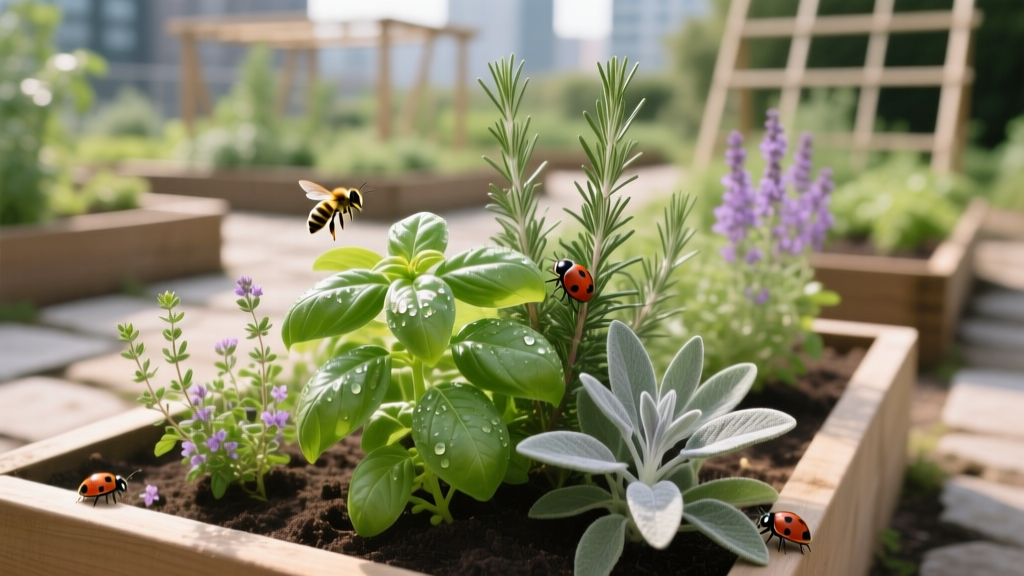
2026 Culinary Herb Garden Design: Bio-Control For Basil & Thyme
Robert HayesPublished
The 2026 Shift to Botanical Bio-Control
As we navigate the 2026 gardening season, the modern horticultural zeitgeist has decisively shifted away from broad-spectrum pesticides—even organic ones like neem oil or spinosad—toward ecological balance. Today’s advanced home gardeners recognize that true garden health relies on biological control (bio-control). By strategically designing a culinary herb garden featuring basil, thyme, rosemary, and sage, you can create a powerful, living pest-management system. These aromatic herbs do far more than elevate your culinary creations; they serve as vital biological hubs that recruit, feed, and shelter beneficial insects.
According to the Environmental Protection Agency (EPA), Integrated Pest Management (IPM) principles heavily emphasize biological control as a primary defense mechanism, reducing the need for disruptive chemical interventions. By leveraging the natural volatile organic compounds (VOCs) emitted by culinary herbs, you can confuse foraging pests while simultaneously rolling out a welcome mat for predatory wasps, hoverflies, and ladybugs.
Core Culinary Herbs for Beneficial Insect Recruitment
To build an effective bio-control garden in 2026, you must select specific cultivars known for their floral architecture and nectar production. Remember the golden rule of bio-control herb gardening: you must allow a portion of your herbs to flower. While culinary purists often pinch off herb blooms to preserve leaf flavor, letting 20% of your plants bolt is essential to sustain beneficial insect populations.
Basil (Ocimum basilicum)
Basil is a cornerstone of the summer garden, but its bio-control properties are often overlooked. When allowed to flower, basil produces dense spikes of tiny, nectar-rich blossoms. These blossoms are perfectly shaped for Braconidae and Ichneumonidae—tiny, non-stinging parasitic wasps that are the ultimate natural enemies of the dreaded tomato hornworm and various caterpillars. In 2026, the 'Genovese' and 'Greek Columnar' cultivars remain top choices due to their vigorous growth and prolific blooming habits. Plant basil in full sun, spacing plants 12 inches apart to ensure adequate airflow, which prevents the downy mildew strains that have become prevalent in recent humid summers.
Thyme (Thymus vulgaris)
Thyme acts as an excellent living mulch and ground cover. Creeping varieties, such as 'Red Creeping' or 'Elfin', form dense, low-growing mats that provide crucial overwintering habitat and daytime refuge for ground beetles (Carabidae). These voracious nocturnal predators patrol the soil surface, consuming slug eggs, cutworms, and flea beetles. Thyme thrives in lean, well-draining soil with a pH between 6.0 and 7.0. Avoid over-fertilizing; excessive nitrogen reduces the concentration of thymol, the essential oil responsible for repelling cabbage worms and whiteflies.
Rosemary (Salvia rosmarinus)
Rosemary is a woody, drought-tolerant perennial that offers year-round structure and early-season nectar. Its potent aromatic oils are highly effective at masking the scent of vulnerable crops, essentially rendering them invisible to olfactory-seeking pests like the carrot rust fly and cabbage looper. When rosemary blooms in late winter or early spring, its pale blue flowers provide a critical, early-season food source for native pollinators and predatory hoverflies. For bio-control layouts, utilize the 'Prostratus' (creeping) variety along retaining walls or the 'Tuscan Blue' cultivar as a towering backdrop in raised beds.
Sage (Salvia officinalis)
Sage is a powerhouse for attracting hoverflies (Syrphidae). Adult hoverflies feed on sage nectar, while their larvae are ravenous consumers of soft-bodied insects, capable of eating hundreds of aphids per week. The 'Berggarten' cultivar offers broad, silvery leaves that look stunning in moonlight gardens, while 'Pineapple' sage provides late-autumn blooms when most other nectar sources have faded. Sage requires exceptional drainage; in 2026, many urban gardeners are successfully utilizing terracotta pots or specialized alpine troughs to prevent the root rot that plagues sage in heavy clay soils.
2026 Herb Garden Layout and Soil Preparation
A successful bio-control herb garden requires thoughtful spatial design. Group herbs not just by their water needs, but by the specific pests they help manage in adjacent vegetable beds. Current 2026 soil microbiome research highlights the importance of fungal networks in supporting robust plant immunity, which in turn makes herbs more resilient to pest damage.
Construct a raised bed measuring at least 4 feet by 8 feet to allow for proper companion integration. Fill the bed with a specialized Mediterranean herb mix: 50% high-quality topsoil, 30% coarse horticultural sand or pumice for drainage, and 20% mature compost. Avoid synthetic fertilizers; instead, inoculate the soil with mycorrhizal fungi to boost the natural defense mechanisms of your rosemary and sage.
| Herb Cultivar | Target Pests Repelled | Beneficial Insects Attracted | Sun & Water Needs |
|---|---|---|---|
| 'Genovese' Basil | Thrips, Asparagus Beetles | Parasitic Wasps, Tachinid Flies | Full Sun / Consistent Moisture |
| 'Creeping' Thyme | Cabbage Worms, Whiteflies | Ground Beetles, Spiders | Full Sun / Low Water |
| 'Tuscan Blue' Rosemary | Carrot Rust Flies, Bean Beetles | Native Bees, Hoverflies | Full Sun / Very Low Water |
| 'Berggarten' Sage | Flea Beetles, Cabbage Maggots | Hoverflies, Predatory Wasps | Full Sun / Low Water |
Companion Planting: Pairing Herbs with Vulnerable Crops
The true power of a bio-control herb garden is realized when integrated directly with vulnerable food crops. The University of Minnesota Extension notes that diverse plantings disrupt pest host-finding behaviors while providing continuous floral resources for natural enemies.
- Basil and Tomatoes: Plant basil directly beneath the canopy of indeterminate tomatoes. The basil masks the tomato's scent from hornworm moths, while the parasitic wasps attracted by basil flowers patrol the tomato foliage.
- Rosemary and Brassicas: Interplant rosemary around the perimeter of your broccoli, kale, and cabbage beds. The strong piney aroma of rosemary effectively hides the brassicas from the imported cabbageworm butterfly.
- Thyme and Strawberries: Use creeping thyme as a border around strawberry patches. It suppresses weeds, retains soil moisture, and provides a habitat for the ground beetles that eat slug eggs before they can hatch and devour your berries.
- Sage and Carrots: Position sage near carrot crops to deter the carrot rust fly, a devastating pest that relies heavily on scent to locate its host plants.
Maintenance Rules for a Bio-Control Garden
Maintaining a garden designed for bio-control requires a paradigm shift. You must tolerate a low level of pests, as they are the primary food source for your beneficial insects. If you eradicate all aphids, the ladybugs and hoverflies will simply leave your garden in search of food.
Hydration and Pruning
Water your herbs at the base using drip irrigation or soaker hoses. Overhead watering promotes fungal diseases and washes away the tiny eggs of beneficial insects laid on the undersides of leaves. Prune your woody herbs (rosemary, sage, thyme) in early spring, but avoid heavy pruning during peak summer blooming periods when beneficial insects are actively foraging.
Providing Insect Habitats
Beneficial insects need more than just nectar; they need water and shelter. Incorporate a 'bug bath' into your herb garden design. Fill a shallow terracotta saucer with clean pebbles and water. The pebbles allow tiny wasps and flies to land and drink without drowning. Additionally, leave small patches of bare, undisturbed soil near your thyme and sage to accommodate ground-nesting native bees and predatory beetles.
The Pesticide Paradox
According to the UC Statewide Integrated Pest Management Program, even organically approved pesticides can devastate beneficial insect populations if applied incorrectly. If an absolute emergency requires intervention, use targeted, short-residual treatments like insecticidal soaps, and apply them strictly at dusk when pollinators and predatory wasps are no longer active. Never spray blooming herbs. By trusting the ecological framework you have built with your basil, thyme, rosemary, and sage, your 2026 garden will achieve a resilient, self-regulating balance that yields both incredible harvests and a thriving ecosystem.
