Gardening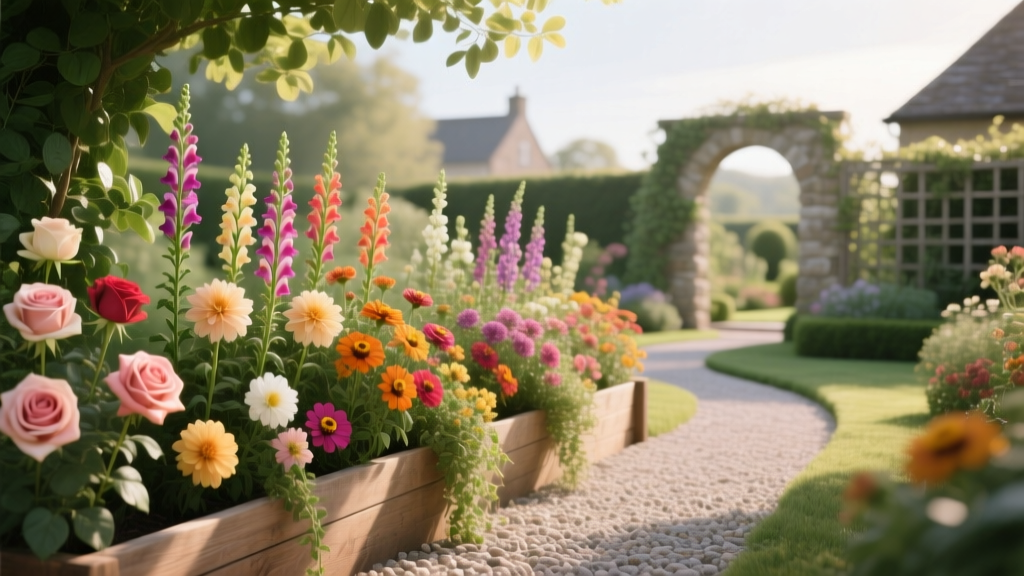
2026 Cut Flower Garden Layout: Continuous Blooms & Photo Guide
Emily WatsonPublished
The Intersection of Cut Flower Design and Garden Photography
For the modern gardening enthusiast, the cut flower garden serves a dual purpose: it provides a relentless supply of fresh arrangements for the home, and it acts as a living, breathing studio for garden photography and documentation. As we navigate the 2026 growing season, the trend of "documentary gardening" has exploded. Gardeners are no longer just growing flowers; they are curating visual narratives, tracking bloom cycles via time-lapse, and sharing their continuous harvests on digital platforms. Designing a cut flower garden layout specifically optimized for both continuous blooming and photographic excellence requires a strategic approach to spatial planning, succession planting, and lighting.
Whether you are shooting with the latest 2026 smartphone macro sensors or a dedicated mirrorless camera, the geometry of your garden dictates the quality of your images. A well-planned layout ensures that you never run out of visual subjects, while simultaneously guaranteeing that your vases are never empty. According to experts at the University of Minnesota Extension, successful cut flower production relies heavily on staggered planting and meticulous bed management—principles that perfectly align with maintaining a continuously photogenic landscape.
Designing the 2026 Layout: Beds, Paths, and Depth of Field
When designing a garden with photography in mind, the dimensions of your raised beds and pathways are just as critical as the plants themselves. Standard agricultural layouts often prioritize tractor or wheelbarrow access, but a photography-first cut flower garden prioritizes the tripod and the lens.
Optimal Bed Width and Pathway Spacing
For 2026, the gold standard for the photography-optimized cut flower garden is the 4-foot-wide raised bed, separated by 3-foot-wide pathways. Why these specific measurements? A 4-foot bed allows you to reach the center from either side for harvesting and deadheading without stepping on the soil. More importantly, a 3-foot pathway provides ample space to set up a tripod, crouch for low-angle macro shots, and maneuver a reflector without trampling adjacent crops.
Height Layering for Photographic Depth
To create images with a stunning depth of field, you must layer your plants by height and bloom time. Place your tallest structural flowers, such as Delphinium and towering Sunflowers (like the 'American Giant' variety), on the northernmost edge of the bed. This prevents them from casting shadows on shorter plants and provides a lush, towering backdrop for your portrait-orientation shots. Mid-height staples like Zinnias and Snapdragons occupy the center, while low-growing fillers like Alyssum and Nigella line the edges, softening the hardscape and providing foreground bokeh when shooting with a wide aperture (f/1.8 to f/2.8).
Soil Preparation for Vibrant Petal Pigmentation
Vibrant photographs start with vibrant soil. The pigmentation of your flower petals—crucial for high-contrast, eye-catching garden photography—is directly tied to soil micronutrients. Before planting your 2026 spring succession, amend your raised beds with a mix consisting of 40% high-quality topsoil, 40% organic compost, and 20% pumice or perlite for drainage. Incorporate a slow-release organic fertilizer high in phosphorus and potassium (such as a 4-8-6 NPK ratio) to encourage massive, deeply colored blooms rather than excessive leafy growth. Adding biochar to your soil mix not only sequesters carbon but also acts as a sponge for nutrients, ensuring your Dahlias and Ranunculus maintain their vivid hues even during late-summer heat stress.
Succession Planting Chart for Continuous Visuals and Harvests
A garden that peaks only in July leaves you with months of uninspiring documentation. To maintain a continuous bloom harvest—and a continuous feed of stunning photographic content—you must implement succession planting. By staggering your sowing dates and mixing cool-season with warm-season varieties, you ensure the garden remains visually dynamic from early spring until the first hard frost.
The Royal Horticultural Society (RHS) emphasizes that understanding the thermal requirements of annuals and biennials is key to extending the floral display. Below is a strategic 2026 succession planting schedule designed to keep your viewfinder full.
| Season / Month | Primary Cut Flower Varieties | Photographic Focus & Color Palette | Sowing / Planting Action |
|---|---|---|---|
| Early Spring (March - April) | Sweet Peas, Ranunculus, Anemones | Pastels, moody morning dew, macro frost shots | Transplant fall-sown plugs; direct sow Sweet Peas |
| Late Spring (May) | Peonies, Foxglove, Nigella | Rich pinks, purples, complex floral structures | Plant Dahlia tubers; succession sow Snapdragons |
| Early Summer (June) | Zinnias, Cosmos, Larkspur | Vibrant warm tones, pollinator action shots | Direct sow heat-loving annuals; pinch back Asters |
| Peak Summer (July - Aug) | Dahlias, Sunflowers, Celosia | High contrast, golden hour silhouettes, bold geometry | Continue deadheading; sow late-season Rudbeckia |
| Early Fall (Sept - Oct) | Asters, Chrysanthemums, Amaranth | Autumnal rusts, deep burgundies, textural seed pods | Harvest seed pods for macro photography; plant spring bulbs |
Essential 2026 Gear for Garden Documentation
You do not need a sprawling studio to document your cut flower garden, but having the right tools for the environment makes a significant difference. The damp, dirty, and unpredictable nature of a garden requires specialized gear.
- Smartphone Macro Lenses: If you are shooting on an iPhone 16 Pro or Samsung Galaxy S25 Ultra, the native macro modes are exceptional. However, attaching a Moment T-Series 10x Macro Lens allows you to capture the intricate pollen structures of a Cosmos or the velvet texture of a Celosia with DSLR-like clarity.
- Weather-Sealed Mirrorless Cameras: For dedicated photographers, the Sony Alpha 7C II or the OM System OM-5 are top choices for 2026. Their compact bodies and rigorous weather sealing protect against morning dew and unexpected summer showers while delivering incredible dynamic range for high-contrast garden scenes.
- Motorized Time-Lapse Sliders: To document the continuous growth of your garden beds, a motorized slider like the edelkrone SlidePLUS v2 allows you to capture the slow, hypnotic blooming of a Morning Glory or the gradual opening of a Peony over 48 hours.
- Portable Reflectors and Diffusers: A 5-in-1 collapsible reflector is mandatory. Use the silver side to bounce golden hour light into the shadows of deep flower throats, and use the translucent diffuser panel to soften harsh midday sun, eliminating blown-out highlights on white petals.
Lighting the Harvest: Golden Hour and Diffusers
The best cut flower photography happens when the lighting complements the natural architecture of the plant. Midday sun creates harsh, unflattering shadows that obscure petal details and wash out delicate colors. Schedule your primary documentation and harvesting sessions during the "golden hours"—the first hour after sunrise and the last hour before sunset. During these windows, the light is directional, warm, and soft, creating long shadows that add three-dimensional depth to your garden beds.
When harvesting flowers for indoor arrangement photography, bring them inside immediately and place them near a large, north-facing window. This provides consistent, indirect, and diffused light that mimics the soft glow of an overcast day, which is universally considered the best lighting condition for capturing the true color and texture of botanical subjects.
Digital Journaling and Tracking Your Blooms
Documentation goes beyond taking beautiful photographs; it involves tracking data to improve next year's layout. In 2026, digital garden journaling has become highly sophisticated. Apps like Planter and PictureThis allow you to map your raised beds digitally, log sowing dates, and attach your geotagged photographs to specific plant profiles. By maintaining a digital ledger of which Zinnia varieties produced the longest stems and which Dahlias bloomed the most prolifically, you turn your garden photography into a powerful agronomic dataset. This continuous feedback loop ensures that your 2027 cut flower garden is even more productive, more beautiful, and infinitely more photogenic.
Conclusion
Designing a cut flower garden layout for continuous bloom and photography is an exercise in patience, planning, and artistic vision. By optimizing your bed dimensions for camera access, layering plants for depth of field, and adhering to a strict succession planting schedule, you create a living canvas that rewards you daily. Equip yourself with the right weather-sealed gear, embrace the soft light of the golden hour, and let your 2026 garden tell a vibrant, unending visual story.
