
Landscaping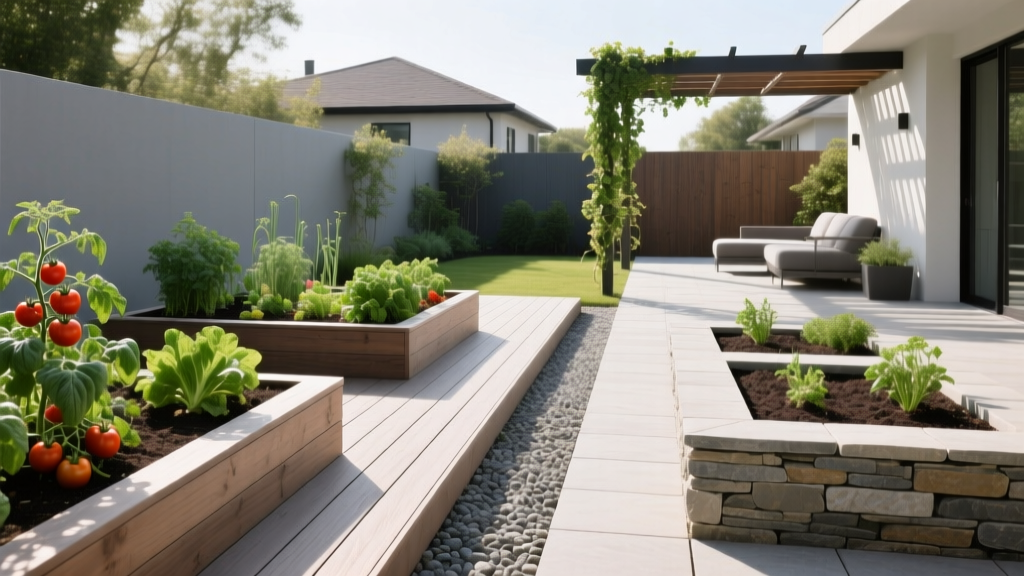
2026 Deck vs Patio Cost: Raised Bed Garden Integration
David ParkPublished
The 2026 Agri-Tainment Trend: Merging Hardscapes with Edible Gardens
In 2026, the modern outdoor living space is no longer just about seating and grilling; it is about the seamless integration of edible landscaping. Homeowners are increasingly prioritizing 'agri-tainment' spaces where outdoor entertaining areas merge directly with raised bed vegetable gardens. Whether you are growing heirloom tomatoes, crisp lettuce, or climbing beans, the hardscape surrounding your garden dictates both the aesthetic appeal and the functional success of your harvest. But when it comes to budgeting for this dual-purpose oasis, which is the superior investment: a composite deck with integrated garden cutouts, or a permeable paver patio with adjacent raised beds?
Comparing deck and patio costs in 2026 requires looking beyond basic square-footage pricing. We must factor in structural load-bearing requirements for wet soil, drainage management, microclimate creation, and the ergonomic needs of the home gardener. This comprehensive guide breaks down the true costs and horticultural impacts of decks versus patios for the serious vegetable gardener.
The Engineering Challenge: Soil Weight and Structural Integrity
Before comparing material costs, we must address the physics of raised bed vegetable gardening. According to experts at the NC State Extension, a standard raised bed filled with a high-quality soilless mix (often referred to as Mel's Mix) and organic compost is incredibly heavy. Wet soil can weigh upwards of 120 pounds per cubic foot. A standard 4-foot by 8-foot raised bed that is 24 inches deep holds 64 cubic feet of soil, translating to over 7,600 pounds when fully saturated after a heavy spring rain.
If you are building a deck and want the raised beds to sit on the deck surface or be suspended within the deck framing, your 2026 structural engineering costs will increase significantly. Joists must be doubled or tripled, and footings must be widened to support this concentrated live load. Conversely, a ground-level paver patio easily distributes this immense weight across a compacted aggregate base, eliminating the need for expensive structural reinforcement.
2026 Composite Decking: Costs and Garden Integration
Composite decking remains a premium choice for outdoor entertaining due to its low maintenance and resistance to rot. In 2026, premium capped composite boards from brands like Trex and TimberTech average between $45 and $65 per square foot for materials and professional installation. However, integrating raised beds into a deck requires specialized construction techniques.
The Cutout Method and Waterproofing
The most visually striking design involves building the deck around the raised beds, creating a flush transition where the garden beds appear to grow out of the floor. This requires framing precise cutouts and installing heavy-duty metal flashing to prevent moist, microbe-rich garden soil from contacting the composite joists. While composite boards themselves resist rot, the hidden fasteners and underlying structural lumber are vulnerable to constant moisture and acidic soil runoff. Expect to pay an additional $15 to $25 per linear foot for marine-grade flashing and custom framing to protect your deck's substructure.
Elevated Ergonomics
The primary advantage of a deck for the vegetable gardener is ergonomics. By building the deck at a 24-inch elevation and designing the raised beds to sit directly on the ground beneath deck cutouts, the top of the soil sits flush with the walking surface. This creates a zero-bending gardening experience, making planting, weeding, and harvesting accessible for gardeners of all mobility levels.
2026 Paver Patios: Costs and Garden Integration
For many edible landscapers, a paver patio offers a more forgiving and cost-effective foundation for heavy raised beds. In 2026, permeable paver systems from manufacturers like Belgard and Techo-Bloc average $35 to $55 per square foot installed. Permeable pavers are highly recommended for garden-adjacent spaces because they manage the inevitable water overflow from deep-soaking your vegetable beds.
Managing Garden Runoff
Vegetable gardens require deep, infrequent watering to encourage strong taproots. When you water a raised bed, excess nutrient-rich runoff often spills over the edges. Traditional impermeable concrete or standard patios will pool this water, leading to algae growth and slippery entertaining surfaces. Permeable paver systems, aligned with EPA Green Infrastructure guidelines, allow garden runoff to filter through the joints and into a crushed stone reservoir base, keeping your entertaining area dry and returning valuable rainwater to the local water table.
Freestanding Corten and Stone Beds
On a patio, raised beds are typically freestanding. In 2026, Corten steel and natural stone raised beds are the dominant design trends. Corten steel develops a beautiful, protective rust patina that contrasts stunningly with green paver tones and vibrant vegetable foliage. Because the patio is on-grade, you can place these heavy steel or stone beds directly onto the pavers without worrying about structural collapse, provided the patio base was properly compacted with a 6-inch layer of crushed gravel.
2026 Cost Comparison: Deck vs. Patio for Gardeners
The following table compares the estimated 2026 costs for a 400-square-foot entertaining space designed to accommodate four large (4x8) raised vegetable beds.
| Cost Factor | Composite Deck (Integrated Cutouts) | Permeable Paver Patio (Freestanding Beds) |
|---|---|---|
| Base Hardscape (400 sq ft) | $22,000 ($55/sq ft avg) | $18,000 ($45/sq ft avg) |
| Structural Reinforcement for Soil Load | $4,500 (Extra footings/joists) | $0 (On-grade distribution) |
| Flashing & Moisture Protection | $2,200 (Marine-grade metals) | $0 |
| Raised Bed Materials (4 beds) | $1,800 (Untreated Cedar) | $3,200 (Corten Steel) |
| Soil & Amendment Delivery | $1,200 (Crane/lift required) | $800 (Wheelbarrow access) |
| Total Estimated 2026 Project Cost | $31,700 | $22,000 |
As the data illustrates, the deck option carries a nearly 30% premium, largely driven by the structural engineering required to safely support the immense weight of wet vegetable garden soil and the complex flashing needed to protect the substructure from moisture.
Microclimates: How Hardscapes Affect Your Harvest
From a horticultural perspective, the material you choose drastically alters the microclimate surrounding your plants, which can dictate what you can successfully grow in your 2026 garden.
- Heat Retention: Paver patios absorb and radiate solar heat. Placing raised beds adjacent to a south-facing paver patio creates a warm microclimate ideal for heat-loving crops like peppers, eggplants, and cherry tomatoes. However, this same radiant heat can cause cool-season crops like spinach and cilantro to bolt prematurely.
- Airflow and Root Health: Elevated composite decks allow for superior air circulation. If you build cedar raised beds that sit on the ground beneath a deck cutout, the open sides of the deck framing allow wind to pass through, reducing the risk of fungal diseases like powdery mildew that thrive in stagnant, humid garden corners.
- Frost Protection: Ground-level patios can create a slight frost-buffer effect in early spring, allowing you to transplant tender seedlings a week or two earlier than you could in an open-field garden.
Accessibility and the Wheelbarrow Factor
When designing your space, do not forget the logistics of maintaining a vegetable garden. Every spring, you will need to top off your raised beds with fresh compost. Every fall, you will need to remove spent plant debris. A ground-level permeable patio allows you to roll a heavy wheelbarrow or garden cart directly up to the edge of your Corten steel beds. Decks, unless built with a gently sloping, ADA-compliant ramp, require you to shovel compost up a flight of stairs or hoist bags over the railing—a significant drawback for the avid gardener who values practical efficiency.
Conclusion: Choosing Your 2026 Outdoor Oasis
Ultimately, the choice between a deck and a patio in 2026 depends on your budget, your yard's topography, and your physical needs. If you have a sloped yard, require zero-bending accessibility, and have the budget for structural reinforcement, a composite deck with integrated cedar raised beds offers a breathtaking, modern aesthetic that merges the living room with the garden. However, for the majority of home gardeners, a permeable paver patio paired with freestanding Corten steel raised beds provides a more cost-effective, structurally sound, and hydrologically responsible foundation for a thriving edible landscape.

