
Landscaping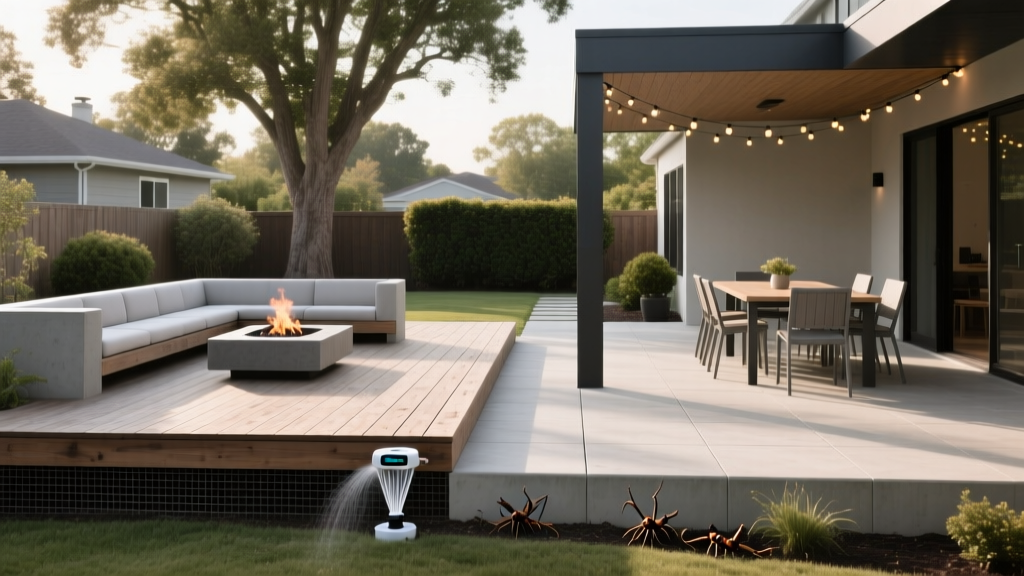
Deck vs Patio Cost 2026: Wildlife and Pest Factors
Mike RodriguezPublished
The Hidden Variable in 2026 Hardscaping: Wildlife Intrusion
When homeowners evaluate outdoor entertaining spaces, the debate usually centers on material aesthetics, longevity, and base installation costs. However, as we navigate the 2026 landscaping season, a critical and often overlooked factor is driving up long-term ownership costs: wildlife and yard animal management. Whether you are installing a raised composite deck or a ground-level paver patio, your choice directly impacts the local ecosystem in your backyard. Structures can inadvertently create ideal habitats for denning mammals, burrowing rodents, and insect colonies, turning your entertainment hub into a pest management nightmare.
According to the Internet Center for Wildlife Damage Management, structural modifications that eliminate crawl spaces and under-deck voids are the most effective long-term strategies for preventing mammal intrusion. In this comprehensive 2026 guide, we break down the true cost of decks versus patios, factoring in the hidden expenses of animal-proofing, pest control, and wildlife exclusion to help you design an entertaining space that remains yours alone.
Decks in 2026: Upfront Costs and the Under-Structure Ecosystem
Decks remain a premier choice for elevated entertaining, especially in yards with challenging slopes or poor drainage. In 2026, the national average for installing a high-end composite deck (such as Trex Transcend Lineage or TimberTech Advanced PVC) ranges from $95 to $130 per square foot, while pressure-treated wood averages $45 to $65 per square foot. However, the elevated nature of a deck creates a massive, sheltered void underneath that is incredibly attractive to local wildlife.
The Wildlife Threat Under Your Deck
Female skunks, raccoons, groundhogs, and feral cats actively seek out the dark, protected crawl spaces beneath decks to birth their young in the spring or shelter during harsh weather. Once a groundhog or skunk establishes a den under your deck, removing them humanely requires professional wildlife eviction services, which can cost between $300 and $600 per incident in 2026. Furthermore, the accumulation of dry leaves and debris under a deck provides nesting material for rodents and creates a humid microclimate that attracts termites and carpenter ants to your home's foundation.
The Cost of Deck Wildlife Exclusion
To properly animal-proof a deck, you must install an exclusion barrier. The industry standard is a trenching method utilizing 19-gauge, 1/4-inch or 1/2-inch galvanized hardware cloth. This involves digging a trench around the perimeter, attaching the hardware cloth to the deck framing, and burying it in an "L-footer" configuration pointing outward to prevent animals from digging underneath. In 2026, professional installation of this wildlife exclusion trenching costs between $18 and $30 per linear foot. For a standard 16x20 foot deck (72 linear feet), expect to add $1,296 to $2,160 to your total project cost strictly for wildlife management.
Patios in 2026: Ground-Level Dynamics and Pest Management
Patios eliminate the under-structure void entirely, making them inherently superior for mammal exclusion. In 2026, a professionally installed paver patio costs between $30 and $55 per square foot, while stamped concrete ranges from $18 to $35 per square foot. Because patios sit flush with the earth, skunks and raccoons cannot den beneath them. However, ground-level hardscapes introduce a different set of wildlife and pest challenges, primarily involving insects, burrowing edge-dwellers, and drainage-related mosquito breeding.
Insect Intrusion and Edge Burrowing
While you won't find a raccoon under a patio, you may find ants, wasps, and spiders in the joints of a paver patio if traditional sand is used. The University of California Statewide IPM Program emphasizes that sanitation and structural sealing are vital for managing insect populations near outdoor food preparation areas. To combat this, 2026 patio installations heavily utilize advanced polymeric sands that harden like concrete when wet, sealing off joint habitats for ants and preventing weed growth that harbors insects.
Additionally, if a patio is installed without proper edge restraints or a compacted gravel base, groundhogs and voles may burrow into the soft soil directly adjacent to the patio edge, eventually undermining the base and causing the pavers to collapse. Installing a deep, compacted crushed stone base and concrete edge restraints adds roughly $4 to $7 per square foot but is essential for structural and pest integrity.
Drainage and Mosquito Breeding
A poorly graded patio can create low spots where water pools after a rainstorm. Standing water is the primary breeding ground for mosquitoes, which can quickly ruin an outdoor evening gathering. Upgrading to permeable pavers with a deep aggregate base in 2026 costs roughly 15% more than standard pavers but allows water to drain instantly into the soil, eliminating surface pooling and drastically reducing mosquito habitats.
2026 Cost Comparison: Base Installation vs. Wildlife Management
To understand the true financial impact of your hardscaping choice, you must look beyond the initial build and factor in the necessary wildlife and pest management modifications. Below is a 2026 cost comparison for a standard 320-square-foot entertaining space.
| Cost Category (2026 Averages) | Composite Deck (Elevated) | Paver Patio (Ground-Level) |
|---|---|---|
| Base Installation (Materials & Labor) | $30,400 - $41,600 | $9,600 - $17,600 |
| Wildlife Exclusion (Trenching/Hardware Cloth) | $1,296 - $2,160 | $0 (No under-space void) |
| Insect Joint Sealing (Polymeric Sand) | N/A | $600 - $900 |
| Annual Pest/Deterrent Maintenance | $250 - $400 (Traps, debris clearing) | $100 - $200 (Mosquito dunks, ant gel) |
| 10-Year Animal Damage Repair Risk | High (Chewed joists, torn skirting) | Low (Edge settling from burrowing) |
Designing for Entertaining: Keeping Pests Away from the Party
Beyond the physical structure of your deck or patio, how you design the surrounding landscape and manage your entertaining habits plays a massive role in wildlife attraction. The Humane Society of the United States recommends modifying human behaviors and landscape features to make yards less inviting to opportunistic feeders like raccoons, coyotes, and rodents.
Wildlife-Resistant Entertaining Upgrades
- Strategic Lighting: In 2026, smart LED hardscape lighting is standard. While bright white lights deter some nocturnal mammals, they attract massive swarms of insects. Opt for warm-toned (2700K or lower) LED fixtures integrated into deck railings or patio retaining walls. These wavelengths are less visible to insects and reduce the "bug swarm" effect around your food and seating areas.
- Built-In Waste Management: Never leave trash cans exposed near your entertaining space. Invest in built-in, heavy-lid composite trash enclosures or stone retaining wall niches designed to hold wildlife-proof bins. Raccoons can easily tip over standard bins, scattering food waste that attracts rats and coyotes.
- Hardscape Buffer Zones: Create a 2-foot perimeter of smooth, rounded river rock or crushed gravel around the edge of your patio or deck stairs. Animals dislike walking on unstable, sharp, or shifting surfaces, making a gravel buffer an excellent natural deterrent for rodents and snakes attempting to cross onto your entertaining space.
- Outdoor Kitchen Sanitation: If your 2026 outdoor kitchen includes a sink or refrigerator, ensure all plumbing is sealed and insulated. Dripping outdoor faucets provide a reliable water source for wildlife during dry summer months, encouraging them to linger near your patio.
Seasonal Timing for Hardscape Installation
When scheduling your deck or patio build in 2026, consider the local wildlife calendar. If you are building a deck and plan to install exclusion trenching, avoid early spring (March through May in most temperate zones). This is peak denning and birthing season for skunks and groundhogs. If you trench and seal a deck while a mother animal is out foraging, you may inadvertently trap her young inside the crawl space, leading to severe odor issues, property damage as the trapped animal attempts to escape, and ethical dilemmas. Schedule your exclusion work for late summer or early autumn when young animals are mobile and denning behaviors are less prevalent.
Conclusion: Which is Better for High-Wildlife Areas?
If your property borders a wooded area, a ravine, or a known wildlife corridor, a ground-level paver patio is the superior choice for 2026. By eliminating the under-structure void, you instantly remove the primary draw for denning mammals, saving thousands of dollars in exclusion trenching and long-term pest control. However, if your yard requires a deck due to topography or drainage issues, you must budget for professional-grade hardware cloth exclusion from day one. Ultimately, a successful outdoor entertaining space in 2026 requires looking beneath the surface, ensuring your hardscape investment is protected from the wild inhabitants who share your property.

