
Landscaping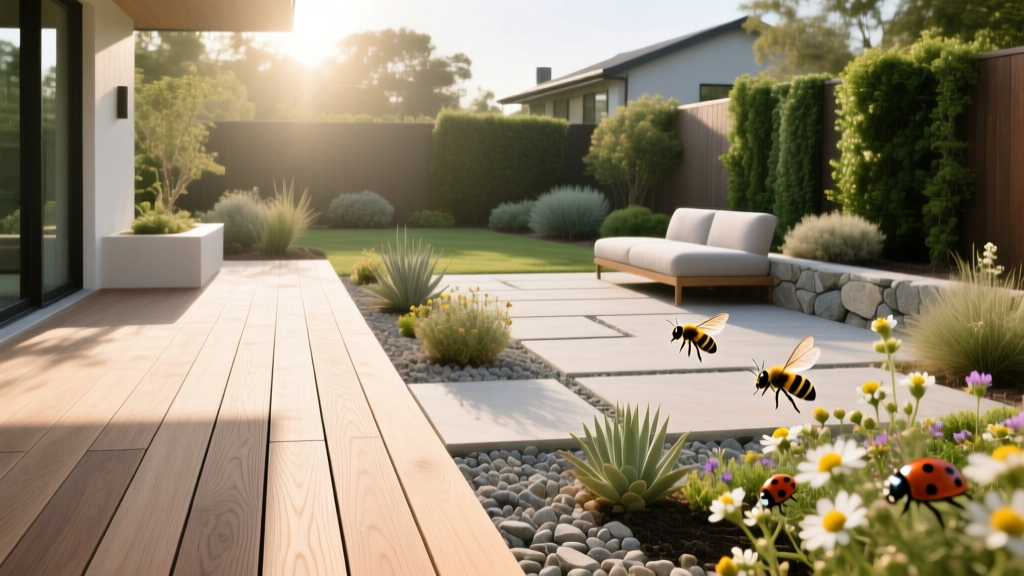
Deck vs Patio Cost 2026: Eco-Hardscaping for Beneficial Insects
Lisa ThompsonPublished
The 2026 Outdoor Entertaining Dilemma: Hardscaping Meets Ecology
As we navigate the 2026 landscaping season, the modern homeowner's approach to outdoor entertaining has fundamentally shifted. It is no longer just about creating a flat surface for a grill and a dining set; it is about integrating functional, ecological landscapes that support local ecosystems. When planning your outdoor living space, the classic debate of deck versus patio takes on a new dimension: how do these hardscaping choices impact beneficial insects and natural bio-control agents? By viewing your hardscape through the lens of sustainable pest management and habitat creation, you can build an entertaining space that looks stunning, fits your budget, and actively reduces the need for chemical pesticides in your garden.
According to The Xerces Society for Invertebrate Conservation, integrating native habitats and minimizing chemical use in residential zones is one of the most effective ways to bolster declining insect populations. Beneficial insects, such as ground beetles, hoverflies, and parasitic wasps, are voracious predators of common garden pests like aphids, slugs, and caterpillars. The hardscape you choose—and the transitional zones you create around it—dictates whether these bio-control agents will thrive in your backyard or move on to a more hospitable environment.
2026 Cost Breakdown: Decks vs. Patios
Before diving into the ecological impacts, it is essential to understand the financial landscape for 2026. Material costs, supply chain stabilizations, and new eco-friendly manufacturing processes have shifted the pricing for both decks and patios. Below is a comprehensive comparison of the average installed costs per square foot in 2026, alongside their general bio-control impact.
| Hardscape Material | 2026 Avg. Cost (per sq. ft.) | Bio-Control Impact | Estimated Lifespan |
|---|---|---|---|
| Pressure-Treated Wood Deck | $25 - $38 | Low (Potential chemical leaching into soil) | 15-20 years |
| Composite Deck (e.g., Trex, TimberTech) | $45 - $70 | High (Inert materials, allows understory planting) | 25-30+ years |
| Poured Concrete Patio | $18 - $28 | Very Low (Impermeable, zero habitat value) | 20-30 years |
| Permeable Paver Patio | $32 - $48 | Very High (Ground-dwelling predator habitats) | 25-40 years |
| Natural Flagstone Patio | $40 - $65 | High (Crevices harbor overwintering insects) | 50+ years |
While a standard poured concrete patio remains the cheapest upfront option, its ecological value is virtually zero. Conversely, permeable pavers and composite decks offer the highest return on investment when factoring in long-term ecological benefits, drainage savings, and natural pest reduction.
Patios: Permeable Pavers and Ground-Dwelling Predators
If your primary goal is to foster ground-dwelling bio-control agents, a patio designed with permeable pavers is the undisputed champion. In 2026, the Environmental Protection Agency's Green Infrastructure guidelines heavily promote permeable hardscaping not just for stormwater management, but for creating micro-ecosystems in urban and suburban environments.
The Power of the Paver Gap
Traditional patios use polymeric sand to lock pavers tightly together, creating an impermeable seal. For an eco-friendly patio, installers now use a combination of open-graded aggregate bases and plantable jointing materials. By leaving slightly wider gaps (about 0.5 to 1 inch) and filling them with a mix of coarse sand, compost, and creeping ground covers like Thymus serpyllum (creeping thyme) or Sagina subulata (Irish moss), you create an ideal micro-habitat.
- Ground Beetles (Carabidae): These nocturnal predators hide in the cool, damp crevices between pavers during the day and emerge at night to hunt slugs, snails, and cutworms that threaten your nearby garden beds.
- Wolf Spiders (Lycosidae): Unlike web-building spiders, wolf spiders hunt on the ground. The textured surface and small crevices of a natural stone or permeable paver patio provide excellent ambush points for these beneficial arachnids.
- Overwintering Sites: The gaps in flagstone and permeable pavers provide essential, frost-protected overwintering sites for ladybugs and lacewings, ensuring a resident population is ready to tackle aphid outbreaks the moment spring arrives.
Cost vs. Benefit: Permeable pavers cost roughly 20% more than standard concrete pavers upfront. However, they eliminate the need for expensive French drains or dry wells (saving $1,500 to $3,000 on drainage installation) and drastically reduce the need for chemical slug and caterpillar baits in adjacent gardens.
Decks: Elevated Spaces and Understory Pollinator Havens
Decks offer a different set of ecological opportunities, particularly regarding vertical space and shaded understories. In 2026, the composite decking market has fully matured, with brands offering highly realistic wood-grain textures made from 100% recycled plastics and wood fibers. From a bio-control perspective, composite decking is vastly superior to traditional pressure-treated lumber.
The Problem with Pressure-Treated Wood
While modern pressure-treated wood uses copper-based preservatives (like CA-C or MCA) that are safer than the arsenic-based CCA treatments of the early 2000s, they can still leach trace amounts of copper and biocides into the soil below. This leaching can disrupt soil microbiomes and harm sensitive ground-dwelling insects and earthworms, which are crucial for soil aeration and the foundation of the garden food web.
Designing the Deck Understory for Bio-Control
An elevated deck creates a shaded, sheltered microclimate underneath. Instead of leaving this area as bare dirt, mulch, or a storage zone for old lawn equipment, transform it into an understory insectary. Because the area receives limited direct sunlight and occasional drip from the deck above, it is perfect for shade-tolerant native plants that harbor specific beneficial insects.
- Wild Ginger (Asarum canadense): Its dense, low-lying foliage provides a humid, protected canopy for predatory mites and small amphibians (like toads) that consume massive quantities of flying and crawling pests.
- Ferns and Coral Bells (Heuchera): These plants offer structural complexity. The intricate fronds of ferns serve as excellent daytime roosting spots for beneficial insects and small insectivorous birds.
- Skirting with Lattice: If you skirt your deck, use cedar lattice with large openings rather than solid panels. This allows ground-foraging insects and amphibians free passage beneath the structure while still hiding the deck's structural joists.
Transition Zones: The Secret to Hardscape Bio-Control
Whether you choose a deck or a patio, the hardscape itself does not sustain beneficial insects; the transition zones do. The National Wildlife Federation's Garden for Wildlife program emphasizes that the edges where hardscape meets softscape are critical ecological corridors. In 2026, landscape designers are utilizing 'insectary borders'—narrow, 12-to-18-inch planting strips that wrap around the perimeter of patios and deck staircases.
Top Insectary Plants for Hardscape Borders
To maximize bio-control, select plants that offer both nectar for adult beneficial insects and structural habitat for their larvae.
- Sweet Alyssum (Lobularia maritima): A low-growing annual that spills beautifully over patio edges. Its tiny flowers are perfectly sized to attract Syrphidae (hoverflies), whose larvae are aggressive aphid predators.
- Yarrow (Achillea millefolium): Features flat-topped flower clusters that serve as landing pads for parasitic wasps (Trichogramma species). These microscopic wasps lay their eggs inside the eggs of garden-destroying caterpillars, naturally breaking the pest life cycle.
- Bronze Fennel (Foeniculum vulgare): Plant this near the sunny corners of your deck. Its ferny foliage and yellow umbels attract a massive variety of predatory insects, including tachinid flies and predatory beetles.
Maintenance and Chemical Considerations
The most beautifully designed eco-hardscape will fail to support bio-control if maintained with harsh chemicals. In 2026, the shift away from broad-spectrum pesticides and synthetic herbicides is not just a trend; it is a necessity for integrated pest management (IPM).
- Patio Weed Control: Avoid using glyphosate or chemical weed killers in the joints of your permeable pavers. Instead, use a targeted flame weeder or apply a horticultural vinegar solution on hot, sunny days. Better yet, embrace the creeping thyme and moss as living joint-fillers that naturally outcompete weeds.
- Deck Cleaning: When power-washing your composite or wood deck in the spring, avoid using chemical brighteners or mold-killing agents containing sodium hypochlorite (bleach), as the runoff will sterilize the soil in your understory plantings. Use oxygen-based cleaners (sodium percarbonate) which break down harmlessly into water, oxygen, and soda ash.
- Outdoor Lighting: Entertaining at night requires lighting, but standard LED floodlights disrupt the navigation and mating patterns of nocturnal bio-control agents like moths and ground beetles. Install low-lumen, amber-toned pathway lights and use motion sensors for security lighting to minimize ecological disruption.
Conclusion: Investing in an Ecological ROI
When comparing deck vs patio costs in 2026, the initial price tag is only one part of the equation. A permeable paver patio might cost slightly more than poured concrete, and a composite deck carries a premium over pressure-treated pine, but the ecological return on investment is immeasurable. By intentionally designing your hardscape to include permeable joints, shaded understories, and insectary transition borders, you are essentially hiring a microscopic, self-sustaining workforce of beneficial insects. This natural bio-control army will protect your ornamental gardens, reduce your reliance on chemical interventions, and create a vibrant, living landscape that makes your outdoor entertaining space truly exceptional.

