
Landscaping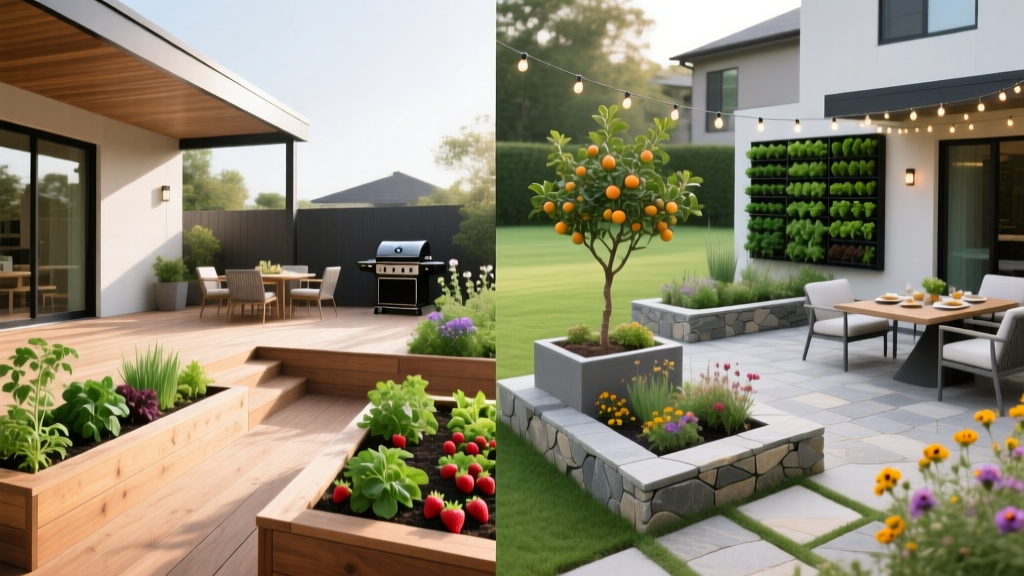
Deck vs Patio Costs 2026: Best Base for Foodscaping
Lisa ThompsonPublished
The Foodscaping Perspective: Why Your Hardscape Choice Matters
Welcome to 2026, where the modern backyard is no longer just a expanse of turfgrass—it is a culinary, ecological, and social hub. As homeowners increasingly embrace edible landscaping and foodscaping, the transition from indoor kitchen to outdoor entertaining space has become a primary focus of landscape design. Foodscaping, the art of seamlessly integrating edible plants into ornamental landscapes, requires a unique approach to hardscaping. When planning an outdoor entertaining area, the debate between building a deck or a patio takes on a new dimension. It is no longer just about square footage or aesthetic preference; it is about weight capacity for soil, drainage routing for thirsty crops, and the physical flow of the harvest-and-dine experience.
According to the National Association of Landscape Professionals, outdoor living spaces that incorporate functional, edible elements are among the highest requested landscape upgrades this year. Guests in 2026 want to pick fresh basil for their craft cocktails or watch you harvest heirloom tomatoes for a wood-fired pizza. But which hardscape foundation best supports this interactive, agricultural lifestyle? Let us break down the costs, structural realities, and foodscaping benefits of decks versus patios for the ultimate outdoor entertaining space.
2026 Patio Costs & Foodscaping Benefits
Patios are ground-level hardscapes typically constructed from pavers, stamped concrete, natural stone, or gravel. Because they sit directly on the earth, they offer unparalleled advantages for heavy edible landscaping features.
Material and Installation Costs in 2026
The cost of a patio in 2026 varies widely based on material and site preparation. On average, homeowners can expect to pay between $18 and $45 per square foot for a professionally installed patio. Permeable pavers, such as those offered by Belgard and Unilock, are currently dominating the market due to their eco-friendly drainage properties. A 400-square-foot permeable paver patio designed for entertaining will typically cost between $9,000 and $14,000, including excavation, base gravel, and sand setting.
Foodscaping Advantages for Patios
- Unlimited Weight Capacity: Wet soil is incredibly heavy, weighing roughly 100 pounds per cubic foot. Patios can easily support massive, built-in stone raised beds, towering herb spirals, and heavy wood-fired pizza ovens without requiring specialized structural engineering.
- Seamless Garden Integration: Patios allow for flush transitions into adjacent edible garden beds. You can design a dining space where the perimeter is lined with dwarf citrus trees, blueberry bushes, and creeping thyme planted directly in the soil between paver joints.
- Microclimate Creation: Stone and concrete absorb heat during the day and release it at night. This thermal mass can extend your growing season, protecting tender edible plants like rosemary and peppers from early frosts.
2026 Deck Costs & Edible Landscaping Limits
Decks are elevated structures usually made from wood, composite materials, or PVC. While they offer fantastic views and keep dining areas away from ground-dwelling pests, they present distinct challenges for the avid foodscaper.
Material and Installation Costs in 2026
Composite and PVC decking have largely replaced traditional pressure-treated lumber for entertaining spaces due to their low maintenance and resistance to rot from frequent watering. In 2026, premium composite lines like Trex Transcend Lineage or TimberTech Advanced PVC cost between $30 and $70 per square foot fully installed. A 400-square-foot composite deck will generally range from $16,000 to $24,000, heavily influenced by the required footings, railings, and stairs.
Foodscaping Challenges and Solutions for Decks
The primary limitation of a deck is structural weight capacity. Standard residential decks are engineered to support 50 pounds per square foot. A large, saturated raised planter box can easily exceed this limit, risking structural failure. However, foodscaping on a deck is entirely possible with the right techniques:
- Vertical Railing Planters: Utilize the perimeter. Modern, lightweight modular railing planters allow you to grow trailing strawberries, lettuces, and cascading nasturtiums without overloading the deck joists.
- Lightweight Soil Amendments: If you must use freestanding planter boxes on a deck, avoid heavy topsoil. Instead, use a 2026-standard lightweight mix of peat moss, coco coir, perlite, and compost to reduce weight by up to 40%.
- Hydroponic and Aeroponic Towers: Smart vertical growing towers, such as the latest models from Tower Garden, are perfect for decks. They use water instead of soil, are relatively lightweight, and provide a stunning, futuristic visual element for your guests.
Deck vs. Patio Cost & Foodscaping Comparison Table
To help you visualize the investment and the edible landscaping potential, review the comparison chart below:
| Feature | Ground-Level Patio (2026) | Elevated Composite Deck (2026) |
|---|---|---|
| Average Cost (per sq. ft.) | $18 - $45 | $30 - $70 |
| Weight Capacity | Unlimited (Ground-bearing) | Restricted (~50 lbs/sq. ft.) |
| Best Edible Features | Stone raised beds, herb spirals, pizza ovens, fruit trees | Railing planters, hydroponic towers, lightweight herbs |
| Drainage & Irrigation | Can route runoff directly to garden beds | Requires catchment systems or drip trays to protect wood |
| Entertaining Vibe | Grounded, garden-immersive, rustic | Elevated, scenic, modern lounge |
Entertaining Layouts: Integrating Herb Spirals and Dining
When designing your space for outdoor entertaining, the flow between the hardscape and the foodscape is critical. For a patio, the ultimate 2026 design trend is the central herb spiral. Built from natural stone near the dining table, an herb spiral creates multiple microclimates in a small footprint. You can plant moisture-loving mint and parsley at the base, and drought-tolerant rosemary and oregano at the peak. Guests can simply reach over and snip fresh herbs directly onto their plates.
For deck entertaining, the layout should focus on the perimeter and overhead space. Install a sturdy pergola over the deck and train edible vines like hardy kiwi, grapes, or passionfruit across the top. This provides natural, dappled shade for your dining table while producing a late-summer harvest. Pair this with a built-in outdoor kitchen island that includes a prep sink and a dedicated space for a countertop microgreens grower, allowing you to garnish dishes right in front of your guests.
Sustainable Drainage & Irrigation in 2026
Sustainability is a core pillar of modern foodscaping. The Environmental Protection Agency (EPA) strongly advocates for water-wise landscaping and the use of permeable surfaces to manage stormwater runoff. A patio constructed with permeable pavers allows rainwater to percolate back into the earth, which can be strategically graded to passively irrigate adjacent deep-rooted edible plants like asparagus or fruit-bearing shrubs.
Decks, conversely, shed water. To make a deck sustainable for foodscaping, homeowners in 2026 are installing under-deck catchment systems and ceiling panels that funnel rainwater into hidden cisterns. This harvested water can then be connected to a smart drip-irrigation system that automatically waters your lightweight deck planters based on real-time local weather data, ensuring zero water waste while you entertain.
Microclimates and Sun Exposure
As highlighted by the University of Minnesota Extension, edible landscapes require careful consideration of microclimates and sun exposure. Most fruiting vegetables and herbs require a minimum of six to eight hours of direct sunlight. When choosing between a deck and a patio, you must map the sun trajectory across your yard. A ground-level patio can be easily expanded or shifted to chase the southern sun, whereas a deck is often tied to the architecture of the home and may be locked into a shaded northern exposure. If your entertaining space is heavily shaded, you will need to pivot your foodscaping plan to shade-tolerant edibles like Swiss chard, spinach, and alpine strawberries, regardless of whether you choose wood or stone.
Final Verdict for the Culinary Host
Ultimately, the choice between a deck and a patio in 2026 comes down to your specific entertaining style and the scale of your edible ambitions. If your vision involves heavy masonry features, sprawling raised beds, and a seamless, grounded connection to your garden, a permeable paver patio is the most cost-effective and structurally sound choice. It provides the ultimate canvas for a true foodscaper.
However, if your property requires an elevated entertaining space to capture a view, or if you prefer a modern, low-maintenance lounge where foodscaping is achieved through high-tech vertical hydroponics and elegant railing planters, a composite deck is worth the premium investment. Whichever foundation you choose, integrating edible elements into your hardscape will transform your backyard into a living, breathing, and delicious sanctuary for years to come.

