Gardening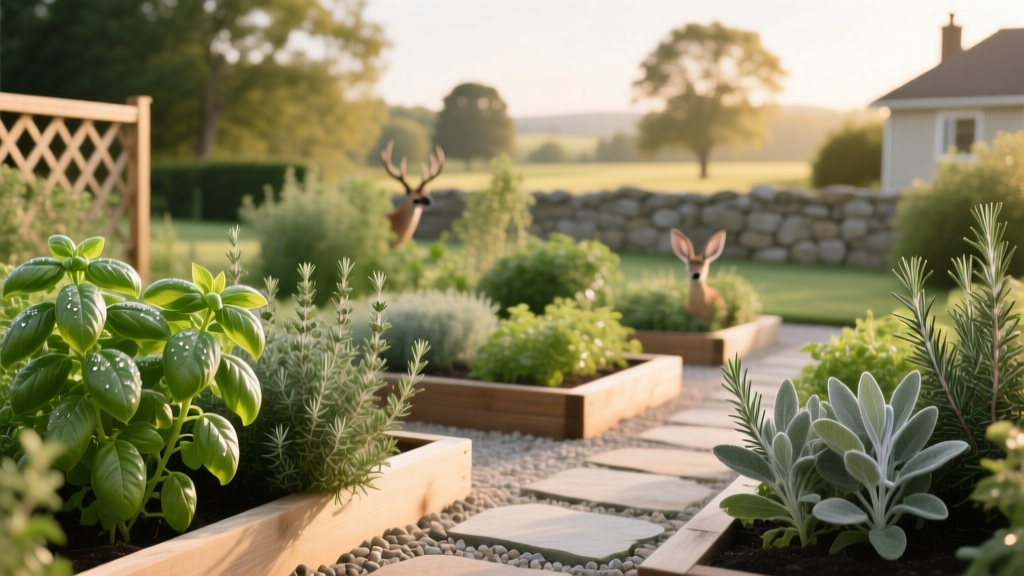
Wildlife-Proof Culinary Herb Garden Design Guide 2026
Emily WatsonPublished
Designing a Wildlife-Resistant Culinary Herb Garden in 2026
As we navigate the 2026 gardening season, suburban and rural gardeners face a familiar but increasingly pressing challenge: sharing their harvest with local wildlife. With urban sprawl continuing to intersect with natural habitats, encounters with deer, rabbits, groundhogs, and squirrels are at an all-time high. For culinary enthusiasts, the dream of stepping outside to snip fresh basil, thyme, rosemary, and sage can quickly turn into frustration when yard animals treat your garden as an all-you-can-eat buffet. However, by understanding animal foraging behavior and utilizing strategic garden design, you can cultivate a thriving, wildlife-resistant culinary herb garden without resorting to harmful chemicals.
Designing a garden that deters wildlife while remaining highly productive for human consumption requires a multi-layered approach. According to Penn State Extension, no plant is entirely deer-proof if the animals are starving, but utilizing highly aromatic, textured, and woody plants can drastically reduce browsing damage. By combining the natural defenses of Mediterranean herbs with modern hardscaping and strategic zoning, you can create an "Aromatic Fortress" that protects your most vulnerable crops.
Understanding Herb Palatability: What Animals Crave vs. Avoid
To design an effective wildlife-management garden, you must first understand the palatability spectrum of your chosen culinary herbs. Animals rely heavily on their sense of smell and taste to identify safe, nutritious food sources. The essential oils that make herbs so delightful in our kitchens are often the exact same compounds that repel herbivores.
Rosemary and Sage: The Aromatic Shields
Rosemary (Salvia rosmarinus) and Sage (Salvia officinalis) are the heavyweights of wildlife deterrence. Both plants produce high concentrations of volatile essential oils, including camphor and cineole, which overwhelm the sensitive olfactory systems of deer and rabbits. Furthermore, sage leaves feature a tough, fuzzy texture that is highly unpalatable to grazing animals. In a 2026 garden design, these herbs should be utilized as your primary perimeter defense and structural anchors.
Thyme: The Tough Groundcover
Thyme (Thymus vulgaris) is another highly resistant culinary herb. Its low-growing, woody stems and tiny, oil-rich leaves make it difficult and unappealing for animals to consume. While a hungry groundhog might trample it, they rarely eat it. Thyme is excellent for planting along the edges of raised beds or as a living mulch between stepping stones, creating an aromatic barrier that masks the scent of more vulnerable plants nearby.
Basil: The Vulnerable Target
Unlike its Mediterranean cousins, Sweet Basil (Ocimum basilicum) is a tender, fast-growing annual with high moisture content and a sweet, peppery aroma that acts as a beacon for wildlife. Rabbits, deer, and even rodents love basil. In the context of wildlife management, basil cannot be left to fend for itself; it requires physical protection, strategic placement, or elevated planting to survive the season.
Strategic Zoning: The "Aromatic Fortress" Layout
The most successful wildlife-resistant herb gardens in 2026 utilize a concept called "Strategic Zoning" or the "Aromatic Fortress" layout. This design principle involves placing the most vulnerable plants in the center of the garden, surrounded by a thick, impenetrable perimeter of highly resistant plants.
Step 1: The Perimeter Shield. Plant a dense border of mature rosemary and sage bushes. In warmer climate zones (USDA Zones 8-10), these can grow into substantial, woody shrubs that physically block line-of-sight and access. In cooler zones, plant them closely together in large containers to create a modular, movable wall.
Step 2: The Mid-Layer Mask. Use creeping thyme and trailing rosemary varieties to cascade over the edges of your garden beds. This masks the scent of the inner garden and creates a textured, woody barrier that rabbits are hesitant to cross.
Step 3: The Protected Core. Reserve the center of your raised beds or the highest elevated tiers of your garden for your basil and other tender annuals like cilantro and parsley. By the time an animal navigates the strong-smelling, tough-leaved perimeter, they are often deterred from pushing into the center.
Modern Hardscaping and Physical Barriers for 2026
While plant selection and zoning are critical, physical barriers remain the most reliable method for wildlife management. The National Wildlife Federation emphasizes that coexisting with wildlife often requires smart physical boundaries rather than lethal or toxic deterrents.
Elevated Galvanized Steel Troughs: One of the biggest trends in 2026 herb garden design is the use of elevated galvanized steel trough beds. These beds are typically 24 to 30 inches tall. This height is generally sufficient to deter rabbits and groundhogs from reaching over the edge, and the smooth metal sides offer no foothold for climbing rodents. Furthermore, metal troughs provide the exceptional drainage that rosemary, sage, and thyme require to prevent root rot.
Subterranean Wire Mesh: If you are building wooden raised beds for your herbs, burrowing animals like voles and groundhogs can easily dig underneath and attack your basil from below. Line the bottom of your raised beds with 1/2-inch hardware cloth (galvanized wire mesh) before adding your soil mix. This allows water to drain freely while completely blocking subterranean access.
Biodegradable Cloches and Netting: For young basil seedlings that are particularly vulnerable in the spring, use biodegradable cellulose cloches or lightweight bird netting draped over wire hoops. Once the basil matures and its flavor becomes more pungent, it will be slightly less attractive, though still requires vigilance.
Culinary Herb Wildlife Resistance Chart
Use the following table to guide your planting strategy and protection investments for the 2026 season:
| Herb | Wildlife Palatability | Primary Threat | 2026 Protection Strategy |
|---|---|---|---|
| Rosemary | Very Low | Starving Deer (Rare) | Use as perimeter shield; minimal protection needed. |
| Sage | Low | Rabbits (Occasional) | Plant as mid-layer mask; fuzzy leaves naturally deter. |
| Thyme | Low | Trampling (Not eating) | Use as groundcover; plant along bed edges. |
| Basil | Very High | Rabbits, Deer, Rodents | Elevated metal troughs, cloches, capsaicin sprays. |
| Oregano | Low | Groundhogs (Rare) | Companion plant near basil to mask sweet scents. |
Companion Planting for Enhanced Deterrence
According to the University of Minnesota Extension, herbs thrive in specific cultural conditions, but companion planting can also serve a dual purpose of pest and wildlife management. While we focus on mammals, insect pests can also weaken your herbs, making them more susceptible to environmental stress and secondary diseases.
To bolster your wildlife defense, integrate Alliums (like ornamental onions, chives, and garlic) into your herb garden design. The strong sulfur compounds in alliums are highly offensive to deer, rabbits, and many burrowing rodents. Planting a border of garlic chives around your basil beds creates an olfactory smokescreen. Additionally, interplanting French Marigolds (Tagetes patula) can help deter root-knot nematodes in the soil, ensuring your tender herbs maintain robust root systems capable of recovering from minor environmental stress.
Eco-Friendly Repellents and Maintenance
Even the best-designed garden may require occasional reinforcement, especially in late summer when natural forage dries up and animals become desperate. In 2026, the market is dominated by eco-friendly, biodegradable repellents that do not harm the soil microbiome or your edible crops.
Capsaicin-based sprays (derived from hot peppers) are highly effective against rabbits and squirrels. When applied to the leaves of your basil, it creates a spicy deterrent that mammals cannot tolerate. However, because basil is a leafy green consumed raw, you must wash it thoroughly before culinary use. Alternatively, predator urine granules (such as fox or coyote urine) can be placed in small, breathable sachets around the perimeter of your garden to trigger the flight response in smaller herbivores without contaminating your soil or plants.
Conclusion
Designing a culinary herb garden that coexists with local wildlife is entirely possible with the right strategy. By leveraging the natural, aromatic defenses of rosemary, sage, and thyme, and providing targeted physical protection for vulnerable basil, you can enjoy a bountiful 2026 harvest. Embrace elevated hardscaping, strategic zoning, and eco-friendly deterrents to transform your garden into a resilient, wildlife-resistant culinary oasis.
