Gardening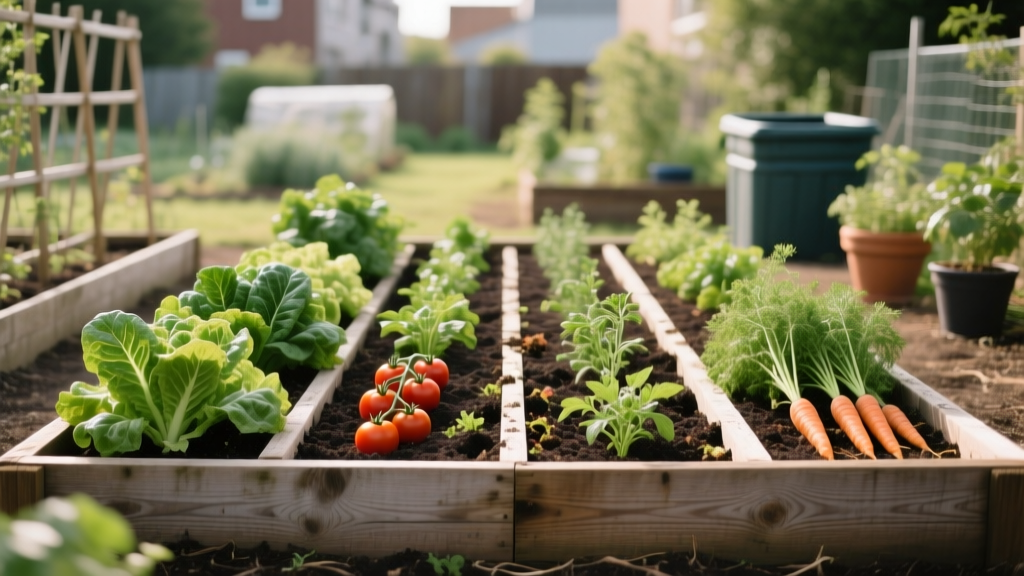
Designing a Productive 4x8 Raised Bed Kitchen Garden Layout
David ParkPublished
The Appeal of the 4x8 Kitchen Garden
The concept of the kitchen garden, or potager, has evolved from the sprawling estates of historic France into a highly efficient, space-saving solution for modern homeowners. When it comes to raised bed design, the 4x8-foot footprint is widely considered the golden standard. Offering exactly 32 square feet of growing space, a 4x8 bed provides ample room for a diverse array of vegetables, herbs, and edible flowers while remaining narrow enough that you can easily reach the center from either side without stepping on and compacting the soil.
Designing a productive kitchen garden requires more than just filling a wooden box with dirt. It demands strategic planning regarding site orientation, soil composition, vertical zoning, and succession planting. In this comprehensive guide, we will break down the exact steps to design, build, and plant a 4x8 raised bed kitchen garden that yields continuous harvests from early spring through late fall.
Site Selection and Microclimate Planning
Before purchasing lumber or ordering soil, you must evaluate your yard's microclimate. Most vegetable crops require a minimum of six to eight hours of direct sunlight daily. Observe your chosen site throughout the day to track sun exposure, paying special attention to shadows cast by your home, fences, or mature trees.
Orientation and Access
For optimal sun distribution, orient your 4x8 bed along a North-South axis. This ensures that the sun sweeps evenly across the bed from east to west, preventing taller plants from casting permanent shadows on shorter crops. Additionally, plan for pathways that are at least 3 feet wide around the perimeter of the bed. This width accommodates a standard wheelbarrow and allows you to kneel comfortably while weeding or harvesting.
Choosing Materials and Construction Costs
The material you choose for your raised bed will impact both the aesthetics of your landscape and the longevity of the structure. Here is a comparison of the most popular materials for a 4x8 bed (assuming a 12-inch depth):
- Untreated Cedar or Redwood: Naturally rot-resistant and beautiful. Expect to spend between $150 and $250 on lumber for a 4x8 bed. Lifespan is typically 10 to 15 years.
- Galvanized Steel Panels: Highly durable, pest-proof, and modern in appearance. Kits typically range from $120 to $200. Lifespan exceeds 20 years, though soil may heat up faster in peak summer.
- Recycled Composite Lumber: Made from wood fibers and recycled plastics. It will never rot or splinter but comes with a premium price tag of $300 to $450 for a 4x8 setup.
Regardless of the material, ensure the bed is at least 12 inches deep. While shallow beds (6 inches) are cheaper to fill, they restrict the root growth of heavy feeders like tomatoes and require much more frequent watering during summer heatwaves.
The Ultimate Soil Recipe for Raised Beds
Never fill a raised bed with native ground soil or cheap 'topsoil' bags from the hardware store; it will compact heavily and suffocate plant roots. According to the Cornell University Cooperative Extension, raised bed soils require a delicate balance of moisture retention, drainage, and organic matter to support intensive planting.
For a 4x8 bed that is 12 inches deep, you will need approximately 32 cubic feet of soil. A highly recommended, cost-effective blend is the 40-40-20 mix:
- 40% High-Quality Compost: Provides slow-release nutrients and microbial life. Use a diverse blend (e.g., mushroom compost, cow manure, and homemade leaf mold).
- 40% Coconut Coir or Peat Moss: Acts as a sponge for moisture retention. Coir is preferred for its renewable sourcing and neutral pH.
- 20% Coarse Aeration (Perlite or Pumice): Ensures oxygen reaches the root zone and prevents waterlogging.
To complete the mix, amend with 2 cups of a balanced organic granular fertilizer (such as Jobe's Organics All-Purpose 4-4-4) and a handful of worm castings per square foot. Expect to spend roughly $120 to $180 on bulk soil components depending on your local supplier.
Zoning Your 4x8 Layout: The North-to-South Rule
The most critical mistake beginners make in garden design is improper plant placement, leading to shading and reduced yields. In a 4x8 layout, you must zone your crops based on their mature height and growth habits, utilizing a strict North-to-South hierarchy.
Zone 1: The North Edge (Vertical & Tall Crops)
Reserve the northernmost 12 inches of the bed for vining and tall crops. Install a trellis system—such as a galvanized cattle panel secured to T-posts or a series of wooden obelisks—before planting. This zone is ideal for indeterminate tomatoes, pole beans, cucumbers, and climbing peas. By placing them on the north side, they will not cast shadows on the rest of the garden.
Zone 2: The Center Grid (Bushy & Heavy Feeders)
The middle 24 inches of the bed are reserved for bushy, medium-height plants that require significant lateral space. This includes bell peppers, eggplants, bush zucchini, kale, and Swiss chard. Utilize the principles of Square Foot Gardening here, assigning one to four square feet per plant depending on the variety's mature spread.
Zone 3: The South Edge (Low-Growing & Trailing Crops)
The southernmost 12 inches should be dedicated to low-growing, shade-intolerant, or trailing plants. This is the perfect location for leafy greens (lettuce, spinach, arugula), root crops (carrots, radishes), strawberries, and trailing companion flowers like nasturtiums, which will spill beautifully over the edge of the raised bed.
Crop Spacing and Yield Guide for a 4x8 Bed
To maximize your 32 square feet, refer to the following data table for optimal spacing and estimated yields per season. This chart assumes intensive spacing and proper trellising where applicable.
| Crop Type | Variety Example | Grid Spacing (per sq ft) | Estimated Yield | Trellis Required? |
|---|---|---|---|---|
| Tomatoes (Indeterminate) | Cherry 'Sun Gold' | 1 plant per 2 sq ft | 15-20 lbs per plant | Yes (North Edge) |
| Pole Beans | Blue Lake Stringless | 8 seeds per sq ft | 1-2 lbs per sq ft | Yes (North Edge) |
| Bell Peppers | California Wonder | 1 plant per sq ft | 5-10 peppers per plant | No (Center Zone) |
| Bush Zucchini | Black Beauty | 1 plant per 4 sq ft | 10-15 lbs per plant | No (Center Zone) |
| Leaf Lettuce | Buttercrunch | 4 plants per sq ft | Continuous cut-and-come | No (South Edge) |
| Carrots | Danvers Half-Long | 16 seeds per sq ft | 12-16 roots per sq ft | No (South Edge) |
Succession Planting for Continuous Harvests
A well-designed kitchen garden never sits empty. Succession planting involves replacing harvested crops with new ones to maximize the growing season. In a 4x8 bed, you can easily achieve three distinct planting phases in most temperate climate zones (USDA Zones 5-7).
- Spring (March - May): Start with cool-season crops. Plant snow peas and radishes on the trellis and south edge. By late May, these will be harvested and cleared.
- Summer (June - August): Transition to heat-loving crops. Plant cherry tomatoes and pole beans on the trellis, peppers in the center, and heat-tolerant Swiss chard on the edges.
- Fall (September - November): As summer crops fatigue, pull them out, amend the soil with a fresh inch of compost, and sow garlic, spinach, and cold-hardy kale for a late autumn and early winter harvest.
Companion Planting and Pest Management
Designing a kitchen garden also means designing an ecosystem. Interplanting specific flowers and herbs can deter pests and attract vital pollinators. Tuck French Marigolds (Tagetes patula) into the corners of your bed; their roots exude a compound that suppresses harmful root-knot nematodes in the soil. Plant sweet basil directly beneath your trellised tomatoes to improve air circulation and potentially enhance the tomatoes' flavor profile while deterring tomato hornworms.
'Intensive raised bed gardening relies heavily on biodiversity. Monoculture planting in a confined space invites rapid pest colonization. By integrating umbelliferous flowers like dill and cilantro, you create a habitat for parasitic wasps that naturally control aphid populations.' — Dr. John Lundgren, Agroecologist and Director of the Ecdysis Foundation.
Conclusion
Designing a 4x8 raised bed kitchen garden is an exercise in spatial efficiency and botanical planning. By selecting durable materials, engineering a well-draining soil matrix, and strictly zoning your crops from north to south, you transform a simple wooden box into a high-yielding culinary oasis. Stick to your succession planting schedule, maintain your soil health with annual compost additions, and your kitchen garden will provide vibrant, organic produce for years to come.
