Pest Control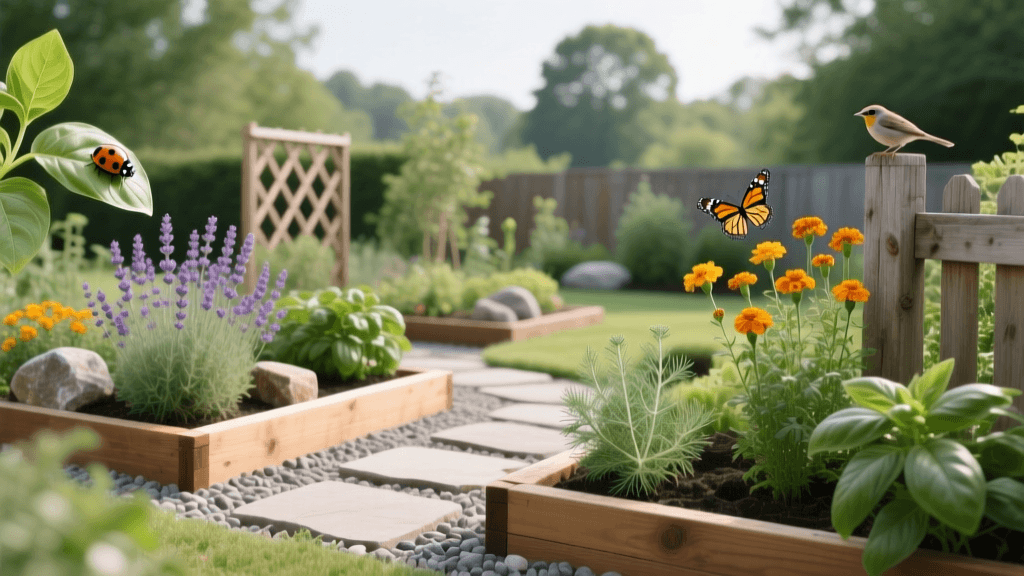
Designing a Pest-Resistant Garden Layout for IPM Success
The Intersection of Landscape Design and Pest Control
When most homeowners think of pest control, they picture spraying chemicals or setting traps after an infestation has already taken hold. However, true Integrated Pest Management (IPM) begins long before the first seed is sown or the first paver is laid. By approaching your yard from a "Design Ideas & Planning" perspective, you can architect a landscape that naturally repels destructive insects, discourages foraging rodents, and invites beneficial predators. Designing a pest-resistant garden layout is not just about selecting the right plants; it is about manipulating the microclimate, hardscape, and ecological balance of your outdoor space to make it inhospitable to pests.
In this comprehensive planning guide, we will explore how to integrate IPM strategies directly into your landscape blueprints, saving you time, money, and frustration in the long run.
Hardscape Planning: Physical Barriers and Microclimates
Hardscaping—the non-living elements of your landscape like patios, walkways, retaining walls, and raised beds—plays a critical role in pest exclusion. Poorly planned hardscapes create dark, damp harborage areas for slugs, pillbugs, and earwigs, while well-designed structures act as formidable physical barriers.
Raised Beds and Rodent Exclusion
Raised garden beds are excellent for soil drainage and ergonomics, but they can also become cozy nests for voles and moles if not planned correctly. When designing your raised beds, line the bottom with 1/2-inch galvanized hardware cloth. Do not use chicken wire, as voles can easily squeeze through the larger gaps. Overlap the hardware cloth edges by at least 6 inches and staple it securely to the inside walls of the bed. This one-time planning step provides a permanent physical barrier against subterranean rodents.
Gravel Borders and Slug Deterrence
Slugs and snails thrive in moist, continuous mulch beds that touch the foundations of homes or wooden fences. To break their travel corridors, design a 12-to-18-inch perimeter border of crushed gravel or sharp pumice around your most vulnerable softscape zones and home foundations. The sharp, dry texture is highly unappealing to soft-bodied mollusks. Additionally, ensure that your hardscape grading directs water away from the house, eliminating the damp soil conditions that attract pests like termites and carpenter ants.
Softscape Design: Polycultures and Companion Planting
Monocultures—large swaths of a single plant species—are an all-you-can-eat buffet for specialized pests. If you plant a massive hedge of boxwoods, you are practically inviting boxwood leafminers to settle in. A core tenet of ecological garden design is the use of polycultures and strategic companion planting to confuse pests and mask the scent of their favorite host plants.
Trap Cropping Strategies
Trap cropping involves planting a highly attractive "sacrificial" species near your prized plants to draw pests away. For example, planting Blue Hubbard squash on the perimeter of your garden can draw squash vine borers and cucumber beetles away from your delicate summer zucchinis. Nasturtiums are another excellent trap crop, luring aphids away from your vegetable beds and rose bushes.
Aromatic Masking Plants
Many destructive insects locate their host plants via olfactory cues. By interplanting highly aromatic herbs, you can create an "olfactory smokescreen." Design your garden borders and pathway edges with lavender, rosemary, thyme, and alliums. Not only do these provide year-round structural interest, but their strong volatile oils mask the scent of vulnerable crops like tomatoes and brassicas.
"A well-designed landscape is the first line of defense in IPM. By selecting pest-resistant plant varieties and modifying the environment to favor plant health over pest survival, you drastically reduce the need for reactive interventions." — University of California Statewide IPM Program
Companion Planting Chart for Pest Deterrence
Use the following planning matrix when drafting your garden bed layouts to ensure you are pairing plants that offer mutual pest-defense benefits.
| Target Pest | Vulnerable Crops | Trap Crop | Repellent / Companion Plant |
|---|---|---|---|
| Aphids | Roses, Tomatoes, Kale | Nasturtiums | Garlic, Chives, Catnip |
| Colorado Potato Beetle | Potatoes, Eggplant | Horsenettle (Wild) | Marigolds, Horseradish |
| Cabbage Loopers | Broccoli, Cauliflower | Collard Greens | Thyme, Dill, Sage |
| Japanese Beetles | Roses, Grapes, Linden | Four O'Clocks | Rue, Tansy, Garlic |
| Nematodes (Root-Knot) | Tomatoes, Carrots | None | French Marigolds (Tagetes patula) |
Designing Habitat for Beneficial Insects
You cannot have effective biological pest control without a resident army of beneficial insects. Ladybugs, lacewings, parasitic wasps, and ground beetles require specific habitat features to overwinter, breed, and hunt. According to the Xerces Society for Invertebrate Conservation, conservation biocontrol relies heavily on providing continuous floral resources and undisturbed shelter.
Insectary Borders
Dedicate at least 15% of your softscape design to "insectary plants"—species that produce abundant pollen and nectar, particularly those with umbrella-shaped flower clusters (Apiaceae family) like dill, fennel, yarrow, and sweet alyssum. These tiny flowers are perfectly shaped for the short mouthparts of parasitic wasps and hoverflies, which are voracious predators of aphids and caterpillars.
Overwintering Zones and Beetle Banks
Leave a designated "wild" corner in your landscape design. A small berm planted with native bunchgrasses (a "beetle bank") provides essential overwintering habitat for ground beetles, which consume thousands of slug eggs and cutworms each season. Avoid designing a yard that requires 100% autumn leaf removal; allowing leaf litter to remain in garden beds provides crucial shelter for overwintering ladybugs and native bees.
Irrigation Design: Moisture Management
Water management is inextricably linked to pest pressure. Overhead sprinklers create a humid microclimate that invites fungal diseases (which attract fungus gnats) and leaves standing water that breeds mosquitoes. When planning your irrigation layout, prioritize drip irrigation and soaker hoses for all garden beds and shrub borders.
- Drip Emitters: Place emitters directly at the root zone. This keeps the soil surface and plant foliage dry, severely limiting the mobility of slugs and snails, which require a moist surface to travel.
- Rain Sensors: Integrate a smart rain sensor into your irrigation controller to prevent overwatering, which leads to waterlogged soil and root rot, making plants highly susceptible to secondary pest attacks.
- Mosquito Dunks: If your design includes water features or rain barrels, plan for the regular use of BTI (Bacillus thuringiensis israelensis) dunks to target mosquito larvae without harming beneficial wildlife.
Zoning for Monitoring and Maintenance
Finally, a successful IPM garden must be designed for easy observation. If your garden is a dense, impenetrable thicket, you will not notice a scale insect outbreak until the plant is dying. Design your layout with "scouting paths"—narrow, mulched walkways that allow you to comfortably walk through and inspect the undersides of leaves. Group plants with similar pest vulnerabilities and water needs together (hydrozoning). This not only conserves water but allows you to monitor specific pest pressures more efficiently, applying targeted organic treatments like neem oil or insecticidal soap only where absolutely necessary.
Conclusion
Designing a pest-resistant garden requires a shift in perspective: viewing your landscape not as a static painting, but as a dynamic, living ecosystem. By thoughtfully planning your hardscape barriers, leveraging the chemical defenses of companion plants, and rolling out the welcome mat for beneficial predators, you create a resilient outdoor space. Embrace these IPM design principles, and your garden will largely defend itself, leaving you more time to simply enjoy the beauty of your landscape.