Pest Control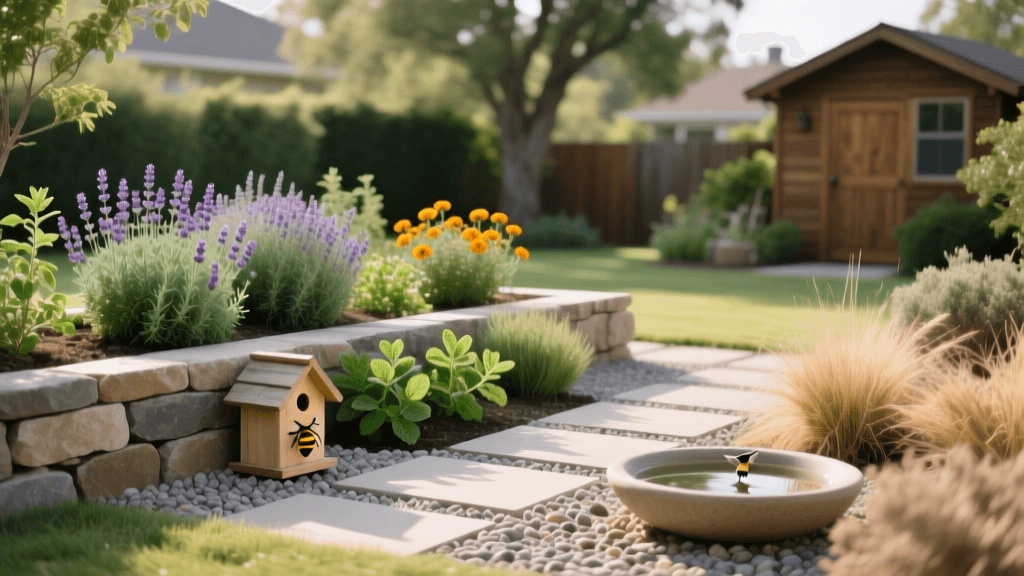
Design a Pest-Resistant Landscape: Garden Layouts
The Foundation of Pest-Resistant Landscape Design
When planning a garden or yard, most homeowners focus primarily on aesthetics, curb appeal, and functionality. However, integrating pest control into your landscape design is one of the most effective, long-term strategies for maintaining a healthy outdoor space. According to the Environmental Protection Agency (EPA), Integrated Pest Management (IPM) relies heavily on prevention and environmental modification to reduce pest populations before chemical interventions are necessary. By designing your landscape with pest behavior and ecology in mind, you can create a natural fortress that deters invaders and supports beneficial predators, saving you time, money, and frustration.
Strategic Hardscaping for Pest Deterrence
Hardscaping—the non-living elements of your landscape like patios, walkways, and retaining walls—plays a critical role in proactive pest management. Properly designed hardscapes eliminate the damp, dark, and undisturbed environments that pests like termites, slugs, and carpenter ants actively seek out.
The 24-Inch Gravel Perimeter
To prevent termites and ants from bridging the gap between your soil and your home’s foundation, design a continuous 24-inch wide gravel border around your house. Use 3/4-inch minus crushed gravel, compacted to a depth of 3 inches. This material drains rapidly, depriving moisture-loving pests of the humidity they need to survive, while the sharp edges deter soft-bodied insects like slugs and snails. Installation typically costs between $1.50 and $2.50 per square foot, making it a highly cost-effective preventative measure compared to annual chemical termite treatments.
Raised Beds with Hardware Cloth
If your design includes raised vegetable beds, burrowing pests like gophers and voles can devastate your root systems from below. Before adding soil, line the bottom of your raised beds with galvanized hardware cloth (1/2-inch or 1/4-inch mesh). Overlap the seams by at least 2 inches and secure them with heavy-duty landscape staples. A 10-foot roll of 1/2-inch galvanized mesh costs approximately $25 and provides a permanent, non-toxic physical barrier that outlasts chemical repellents.
| Hardscaping Element | Target Pests | Specifications | Estimated Cost |
|---|---|---|---|
| Crushed Gravel Border | Termites, Slugs, Ants | 24' wide, 3' deep, 3/4' minus gravel | $1.50 - $2.50 / sq ft |
| Hardware Cloth Base | Gophers, Voles, Moles | 1/2' or 1/4' galvanized mesh | $25 per 10-ft roll |
| Smooth Metal Edging | Invasive Grasses, Slugs | 6' deep aluminum or steel barrier | $3.00 - $4.00 / linear ft |
| Warm LED Lighting | Mosquitoes, Moths, Beetles | <3000K color temp, shielded | $15 - $30 per fixture |
Designing Plant Zones and Trap Crops
The University of California Statewide IPM Program emphasizes that plant selection and placement are fundamental to preventing pest outbreaks. Overcrowded plants restrict airflow, creating humid microclimates that invite fungal diseases and the secondary pests that feed on weakened plants, such as fungus gnats and spider mites.
Spacing for Airflow and Sunlight
Always design your planting layout based on the mature width of the plant, not its size at the nursery. For example, if a hydrangea has a mature spread of 6 feet, space the centers of each plant at least 6 feet apart. This allows morning sun to dry the dew from the leaves, drastically reducing the incidence of powdery mildew and the pest infestations that inevitably follow.
The Trap Crop Perimeter Strategy
Incorporate 'trap crops' into the outer edges of your garden design. Trap crops are highly attractive sacrificial plants that draw pests away from your prized specimens. Plant a perimeter of nasturtiums or marigolds 5 to 10 feet away from your vegetable garden or rose beds. Aphids and whiteflies will flock to the nasturtiums, leaving your primary crops untouched. For cole crops like cabbage and broccoli, plant collard greens nearby to attract cabbage worms. When the trap crops become heavily infested, simply pull them up and dispose of them in sealed bags, removing the pests from your property without a single drop of pesticide.
Cultivating Habitats for Beneficial Insects
A truly resilient landscape design doesn't just repel bad bugs; it actively recruits good ones. Predatory insects like ladybugs, lacewings, and parasitic wasps are nature's pest control agents. To keep them in your yard, you must design habitats that provide nectar, pollen, and shelter.
Insectary Strips and Native Plant Clusters
Dedicate at least 10% to 15% of your garden layout to 'insectary strips'—continuous bands of flowering plants that bloom in succession from early spring to late fall. Beneficial insects often have short mouthparts and require shallow, accessible nectar sources. Include plants from the Apiaceae (carrot) and Asteraceae (daisy) families.
- Sweet Alyssum: A low-growing ground cover that attracts hoverflies, whose larvae are voracious aphid predators.
- Yarrow (Achillea millefolium): Provides excellent landing pads and nectar for parasitic wasps that target caterpillars.
- Dill and Fennel: Allow these herbs to bolt and flower in a designated corner of your garden to attract tachinid flies and ladybugs.
- Native Buckwheat (Eriogonum): A drought-tolerant shrub that supports hundreds of native predatory insect species.
Overwintering Shelters and Soil Ecology
Leave some areas of your garden slightly 'messy' by design. A small, undisturbed brush pile in a back corner, or the inclusion of a wooden insect hotel near your garden beds, provides essential overwintering shelter for solitary bees and predatory beetles. Furthermore, design your landscape to support soil ecology. Healthy, microbe-rich soil produces plants with robust immune systems capable of producing secondary metabolites that naturally repel sap-sucking insects. Incorporate a composting station into your layout, situated at least 10 feet from the home to deter rodents, but easily accessible for regular top-dressing of garden beds.
Lighting Design to Reduce Pest Attraction
Landscape lighting is often an afterthought, but standard mercury vapor or cool-white LED bulbs emit high levels of ultraviolet and blue light, which act as a beacon for moths, beetles, and mosquitoes. These insects, in turn, attract larger pests like spiders and bats to your immediate living areas. When planning your lighting layout, opt for warm LED fixtures with a color temperature below 3000K. Shield the bulbs so the light is directed downward onto pathways and garden features, rather than scattering into the night sky or illuminating surrounding foliage where pests congregate.
Water Feature Planning and Mosquito Control
Water features add tranquility to a landscape design, but stagnant water is a primary breeding ground for mosquitoes. If your design includes a pond or water garden, ensure it is equipped with a recirculating pump or aeration fountain. Moving water disrupts the mosquito breeding cycle. For static water features, birdbaths, or rain barrels, design an easy-access maintenance plan that includes monthly applications of Bti (Bacillus thuringiensis israelensis) dunks. According to Penn State Extension, Bti is a naturally occurring bacterium that specifically targets mosquito and black fly larvae without harming pets, birds, fish, or beneficial aquatic life.
Implementation Timeline and Budgeting
Transitioning to a pest-resistant landscape design is best done in phases to manage costs and labor effectively.
- Phase 1: Hardscaping and Grading (Months 1-2): Focus on drainage corrections, installing the gravel perimeter, and building raised beds with hardware cloth. Budget: $2,000 - $5,000 depending on yard size.
- Phase 2: Soil Preparation and Planting (Months 3-4): Amend soil for optimal drainage, install warm LED lighting, and plant your primary specimens along with insectary strips. Budget: $1,500 - $3,000.
- Phase 3: Trap Crops and Maintenance (Month 5 and ongoing): Sow fast-growing trap crops like nasturtiums and establish a pruning schedule to maintain airflow. Budget: $100 - $200.
Conclusion
By viewing your yard through the lens of pest ecology, you transform your landscape from a vulnerable target into a self-regulating ecosystem. Thoughtful design, strategic hardscaping, and the intentional recruitment of beneficial insects will save you countless hours and dollars in reactive pest treatments. A well-planned layout ensures your outdoor space remains beautiful, functional, and naturally resilient year-round, proving that the best pest control strategy begins long before the first seed is planted.