Pest Control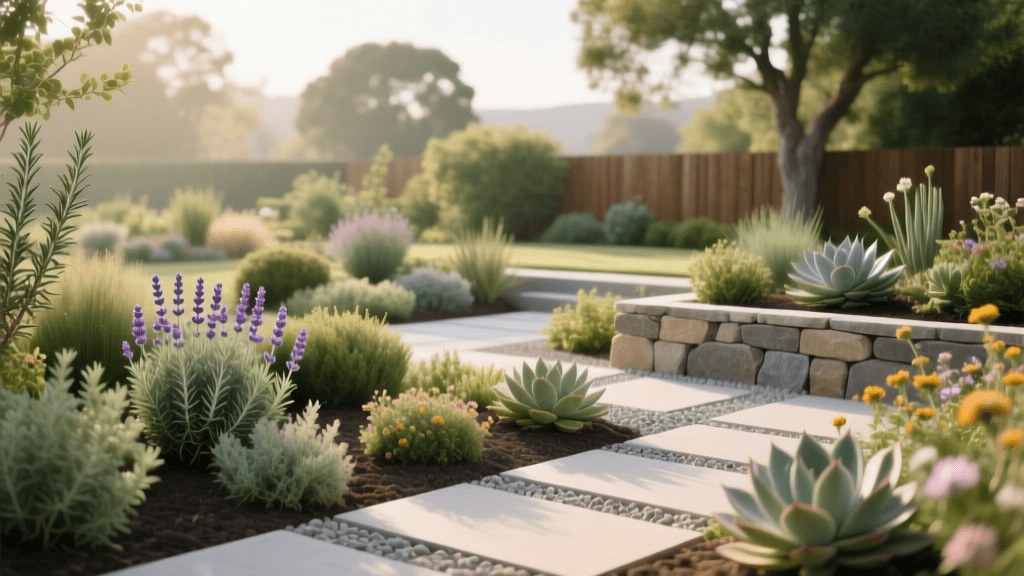
Plan a Pest-Resistant Landscape: Design and Plant Guide
The Foundation of Pest-Resistant Landscape Design
When planning a new garden or renovating an existing yard, most homeowners focus on color palettes, bloom times, and curb appeal. However, integrating pest control into your landscape design is one of the most cost-effective and sustainable strategies you can employ. According to the Environmental Protection Agency (EPA), the core principle of Integrated Pest Management (IPM) is prevention. By designing your landscape to naturally deter pests, you reduce the need for chemical interventions, saving time and money while protecting local ecosystems.
A pest-resistant landscape begins with the 'Right Plant, Right Place' philosophy. Plants that are forced to grow in unsuitable conditions—such as shade-loving ferns planted in scorching sun, or moisture-loving hydrangeas in dry, sandy soil—become chronically stressed. Stressed plants emit specific volatile organic compounds (VOCs) that act as a beacon to destructive insects like borers, aphids, and scale. By mapping your yard's microclimates, soil pH, and drainage patterns before purchasing a single plant, you build a natural fortress against infestations.
Strategic Plant Selection and Cultivar Resistance
Not all plants are created equal when it comes to pest vulnerability. Plant breeders have spent decades developing cultivars with genetic resistance to common lawn and garden pests. Incorporating these into your design plan is a proactive strike against future outbreaks.
For example, if your region is plagued by Japanese beetles, avoid planting highly susceptible species like linden trees, birch, or evening primrose. Instead, design your focal points using resistant alternatives such as red oak, dogwood, or magnolia. Similarly, for gardens prone to powdery mildew and aphid attacks, swap out vulnerable standard crape myrtles for the 'Natchez' cultivar, which boasts exceptional resistance.
Pest-Resistant Plant Substitution Chart
| Common Pest / Issue | Highly Susceptible Plants | Resistant Alternatives for Design |
|---|---|---|
| Japanese Beetles | Linden, Birch, Rose of Sharon | Red Oak, Dogwood, Forsythia |
| Aphids & Mildew | Standard Crape Myrtle, Zinnias | 'Natchez' Crape Myrtle, Profusion Zinnias |
| Root-Knot Nematodes | Tomatoes, Okra, Carrots | Marigolds, Asparagus, Juniper |
| Slugs & Snails | Hostas, Delphiniums | Ferns, Astilbe, Lamb's Ear |
Hardscaping and Grading: Eliminating Pest Habitats
Pest control design extends far beyond plant selection; it heavily relies on hardscaping, grading, and spatial planning. Many of the most destructive pests, including termites, carpenter ants, and earwigs, thrive in damp, undisturbed environments near human structures.
The 12-Inch Mulch Rule and Foundation Grading
When designing garden beds adjacent to your home, always grade the soil to slope away from the foundation at a minimum drop of 6 inches over the first 10 feet. This prevents water pooling, which attracts moisture-loving pests and compromises your foundation. Furthermore, implement a strict mulch buffer. While organic mulches like shredded hardwood or pine bark are excellent for soil health, they are prime real estate for termites. Maintain a 12-inch to 18-inch mulch-free zone directly against your home's siding. If you must cover bare soil near the foundation, use inorganic hardscaping materials like crushed gravel or river rock.
When designing retaining walls or raised beds, ensure they are constructed with proper drainage gravel backfill and weep holes. Stagnant water trapped behind poorly designed retaining walls becomes a breeding ground for mosquitoes and a moisture haven for pillbugs and millipedes that may eventually migrate into your home.
Lighting Design for Pest Deterrence
Outdoor lighting is a critical, often overlooked element of landscape design that directly impacts pest populations. Standard mercury vapor and incandescent bulbs emit high levels of ultraviolet (UV) and blue light, which attract swarms of nocturnal insects, including moths and the beetles that prey on them. When planning your lighting layout, specify warm-colored LED bulbs (under 3000 Kelvin) or specialized yellow 'bug lights'. Position fixtures away from entryways and seating areas, aiming them downward to minimize light pollution and insect congregation.
Companion Planting and Trap Cropping
Companion planting is a historical design technique that pairs specific plants together to enhance growth and repel pests. In a modern IPM framework, this includes the strategic use of trap crops. A trap crop is a sacrificial plant designed to lure pests away from your prized specimens.
- Nasturtiums: Plant these vibrant annuals near vegetable gardens or rose beds. They act as a magnet for aphids, drawing them away from your primary crops.
- French Marigolds (Tagetes patula): Known to secrete alpha-terthienyl from their roots, which suppresses destructive root-knot nematodes in the soil. Interplant them heavily in areas where you plan to grow susceptible vegetables the following season.
- Alliums (Ornamental Onions): The strong sulfur compounds in alliums repel a wide variety of pests, including aphids, Japanese beetles, and even foraging deer and rabbits. Tuck 'Purple Sensation' alliums throughout your perennial borders for early-summer color and protection.
Designing for Beneficial Insects (Insectaries)
A truly sustainable landscape does not aim to eradicate all insects; rather, it fosters a balanced ecosystem where predatory insects keep herbivorous pests in check. The Xerces Society for Invertebrate Conservation emphasizes the importance of designing 'insectaries'—dedicated zones or interplanted borders that provide nectar, pollen, and overwintering habitat for beneficial predators like ladybugs, lacewings, and parasitic wasps.
To design an effective insectary, incorporate plants with umbelliferous (umbrella-shaped) flower clusters, such as yarrow, dill, fennel, and cilantro. These tiny flowers are perfectly shaped for the short mouthparts of beneficial parasitoid wasps. Ground beetles, which consume slugs and cutworms, require ground cover and flat stones to hide under during the day. Hoverflies, whose larvae are voracious aphid predators, are attracted to alyssum and buckwheat. By layering your design with varying plant heights, bloom times, and structural elements, you provide a continuous food source and shelter throughout the growing season.
Implementation Timeline and Budgeting
Transitioning to a pest-resistant landscape requires careful timing and resource allocation. Here is a practical planning guide for a 500-square-foot garden bed renovation:
Early Spring (Planning & Soil Prep): Conduct a comprehensive soil test ($20-$30) to determine pH and nutrient deficiencies. Amend the soil based on results to ensure vigorous plant growth. Install drip irrigation lines ($100-$150) to deliver water directly to the root zone, keeping foliage dry and preventing fungal diseases that weaken plants and attract secondary pests.
Mid-Spring (Planting): Purchase and install disease-resistant cultivars and companion plants. Budget approximately $300-$500 for high-quality nursery stock. Apply a 2-inch layer of premium compost, followed by a 2-inch layer of arborist wood chips, keeping mulch away from plant crowns.
Late Spring to Summer (Monitoring): Monitor the garden weekly. If a localized pest outbreak occurs despite your design, use targeted, low-impact organic treatments like Bonide All-Seasons Horticultural Oil or Bacillus thuringiensis (Bt) kurstaki, rather than broad-spectrum synthetic pesticides that will decimate your newly established beneficial insect populations.
Conclusion
Designing a pest-resistant landscape is an investment in the long-term health and beauty of your property. By combining strategic plant selection, intelligent hardscaping, and habitat creation for beneficial insects, you create a dynamic ecosystem that defends itself. As noted by Cornell University's Integrated Pest Management program, landscapes designed with ecological balance in mind require significantly fewer chemical inputs, saving homeowners hundreds of dollars annually in pest control services. Over a five-year period, a well-designed IPM landscape can reduce pesticide and water costs by up to 40% compared to conventional ornamental beds. Start your planning phase today, and cultivate a garden that is as resilient as it is beautiful.